

Across much of Australia, there’s been a noticeable shift in how homeowners approach roofing upgrades. Older tiled structures are gradually being replaced, not just for cosmetic reasons, but due to performance concerns — particularly in areas affected by seasonal extremes. In regions where high winds, falling branches, and bushfire risk are part of daily reality, a more resilient solution is often prioritised. That’s where steel roofing installation is quietly becoming the preferred choice, especially among households looking for long-term structural security without the need for frequent maintenance.
It’s not about following a trend, either. From regional builds to urban renovations, the move toward steel seems to reflect a broader change in priorities. Durability, ease of upkeep, and better performance in harsh conditions are outweighing more traditional preferences. And while the material might look sharp from the street, its real advantage is often only recognised once it’s been tested — season after season.
What actually happens during installation
Here’s the deal — getting a steel roof put in isn’t just a “remove and replace” job. It’s not like changing a tyre. There's rhythm to it. And a bit of noise too, if I’m honest.
- Initial inspection: They don’t just measure; they check if your home can even take the new load
- Material selection: You pick the colour and type, but there’s advice too — they won’t let you choose something that’ll rust on day one
- Removal of old roofing: Not always needed, but if your existing roof is failing, it’s stripped
- Underlayment installed: It’s like the roof’s under-skin — insulation, moisture barrier, the works
- Steel laid and fastened: Neat lines, properly overlapped panels, flashings all sorted
- Final check: They’ll eyeball every join and seal
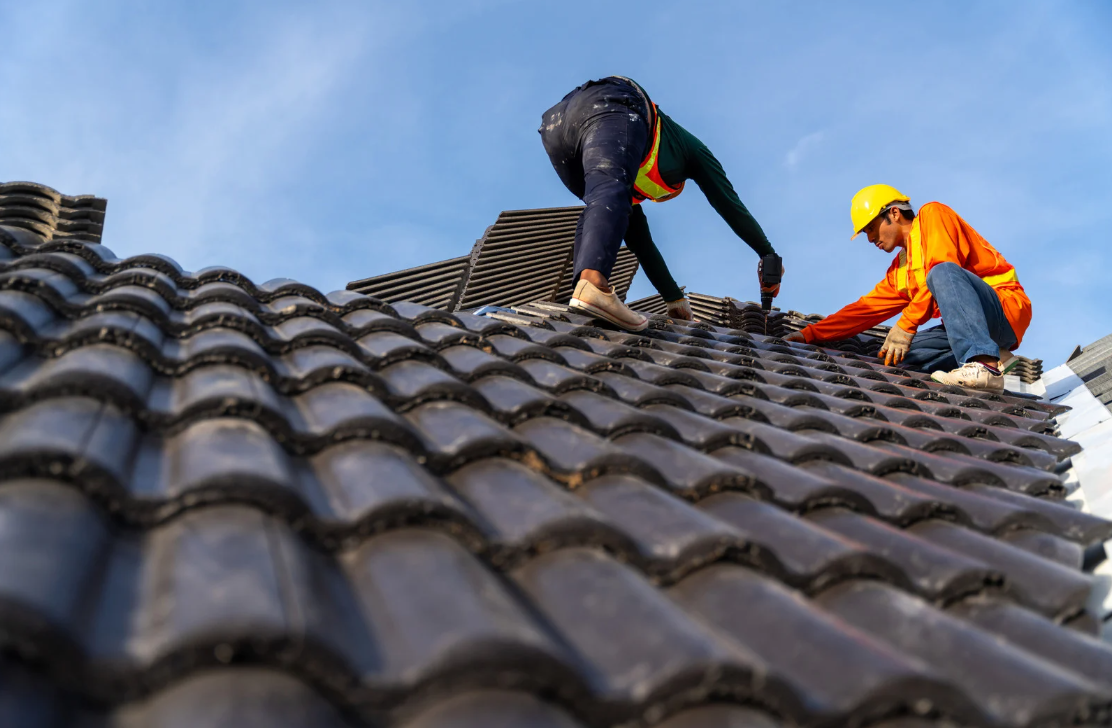
I stayed home during our install — partly to keep an eye on things, partly to keep the dog calm. Watching them work gave me serious respect for how they manage safety and timing.
Staying ahead of common installation issues
Let’s be honest — even a well-planned job can hit snags. Our install wasn’t drama-free either. It’s just about knowing which fires to put out early.
- Wrong delivery: One panel colour was off. Easy fix — but it threw the schedule
- Weather breaks: A cold snap meant everything had to pause — can't lay steel in driving wind
- Rot under tiles: That one surprised us. A corner of timber framing was barely holding
- Noise factor: Not just hammers — drills, scraping metal, even radio chatter
What helped was that we were ready for some disruption. It’s a roof, after all — not a flatpack shelf.
Why safety is a non-negotiable on steel roofing jobs
This bit can’t be overstated. Roofing is dangerous. It’s one of those jobs where one mistake could mean someone doesn’t go home. That’s why solid crews lean hard on safe work practices for roofs.
It’s not just harnesses and hard hats. It’s routines:
- Checking anchor points before climbing up
- Locking ladders — not just leaning them
- Watching the weather like hawks
- Moving slow, even when there’s a push to finish
I noticed our installers had this rhythm. No fuss, but you could tell they were trained for it. No one was rushing. Even when they were behind a bit, safety stayed tight. Honestly, that made all the difference for us.
Choosing the right material: Is steel your best option?
You know what’s tricky? Picking between tile, metal, and other roofing without second-guessing yourself. I almost bailed on steel midway through choosing colours. Too many opinions. Too many online forums. But sitting with it, I realised the metal roofing pros and cons actually helped narrow it down.
- What worked for us: Lightweight — easier on our older frame, Bushfire resistance — absolutely essential where we live, Rain noise — yeah, it’s louder, but oddly calming, Fewer leaks — and fewer “patch and pray” fixes after storms
- What gave us pause: Dents — big hail still leaves a mark, Heat retention — we added extra insulation, Upfront stress — just the thought of something going wrong
In the end, knowing what mattered to us made the call clearer. The lists helped, but the decision was personal.
What homeowners say about long-term performance
A neighbour down the street told me they’d never go back to tile. Said their roof survived a gnarly windstorm while others peeled back like sardine tins. I didn’t ask for the full story, but it stuck with me.
Over time, it seems more and more homeowners bring up the advantages of metal roofs in Australia when chatting about renovations. Not like they’re quoting brochures — more like real life stuff. Less gutter cleaning. Better tank water. Fewer heat cracks in ceiling plaster. These aren’t flashy benefits. They’re just quiet wins over time.
It’s the kind of feedback that doesn’t show up in spec sheets. You hear it in weekend chats, in hallway convos at the footy club. Makes a difference.
Final thoughts
Putting in a new roof isn’t just about ticking boxes — it’s a gut decision. It’s not just a spreadsheet of materials and timelines. It’s something you feel your way through, especially when your home is older, or when the weather’s getting wilder each year. It’s the kind of decision that sits with you through storms, through summer scorchers, through that moment you stand on the street with a "For Sale" sign and hope buyers see what you saw.
Now look — I wouldn’t say steel roofing is perfect. Nothing is. There were moments during the install where we second-guessed things. Is it too loud in rain? Will it dent in hail? Are we doing the right thing? But for us, it came down to this: we didn’t want to keep fixing the same problems over and over. We were tired of cracked tiles. Tired of water seeping in at the worst possible time. Tired of calling tradies in a panic. What steel gave us — and still gives us — is that exhale. That feeling of “alright, we’re covered now.”