There are some ingredients you buy with a plan.
And then there are the ones you keep buying because, somewhere along the way, they proved themselves.
Oyster sauce usually becomes that second kind of ingredient.
Not on day one. Not because anyone gives you a stirring speech about it. It happens after a few ordinary dinners. A rushed bowl of noodles that somehow tastes better than expected. A pan of greens that stops feeling like an obligation. A chicken stir-fry made from whatever was left in the fridge that comes out tasting full, savoury, and oddly put together in the best way.
That is usually how these things happen in real kitchens. Not with some dramatic culinary awakening. Just repetition. Quiet usefulness. The slow realisation that one bottle is doing more work than it gets credit for.
That is also why Megachef sauces make sense in Australian kitchens. The appeal is not really about novelty. It is about practicality. It is about having sauces around that fit the way people actually cook, which is often somewhere between “I have a plan” and “I need dinner on the table before I lose interest in cooking altogether”.
Why oyster sauce matters more than people think
Oyster sauce sounds niche until you use it properly.
Then it starts to make sense very quickly.
What it brings to food is not just saltiness. Salt is easy. Soy sauce can do that. Seasoning can do that. Oyster sauce does something slightly different. It brings depth. A rounded savoury note. A little sweetness. A texture that helps the flavour cling to whatever is in the pan rather than slipping away and gathering at the bottom.
That last part matters. A lot, actually.
Plenty of quick dinners fail not because the ingredients are bad, but because the flavour sits in the wrong place. The sauce is there, technically, but it does not really attach itself to the food. You taste it in patches. One bite feels bland, the next feels over-seasoned. Nothing quite comes together.
Oyster sauce helps close that gap. It coats. It settles things. It makes a dish taste like one thought instead of several separate ingredients meeting by coincidence.
It is especially useful on normal nights
By “normal nights”, I mean the ones most people actually live in.
The nights when there is no ceremony. No carefully chosen menu. No joyfully sharpened knife and playlist and candlelight nonsense. Just a person standing in front of a pan thinking, this needs to turn into something.
A lot of Australian home cooking lives in that space. A bit of rice, noodles, greens, mushrooms, chicken, tofu, beef, whatever is there. Some meals lean vaguely Asian-inspired. Some are just practical combinations that happen to work. A good pantry ingredient earns its place by being flexible inside that mess.
Oyster sauce is flexible in exactly the right way.
It helps vegetables feel more substantial. It gives noodles some weight. It turns a basic protein into something a little more satisfying. It can behave like a finishing sauce, a glaze, or the backbone of a simple marinade, depending on what kind of mood dinner is in.
The mistake almost everyone makes at first
The first mistake with oyster sauce is nearly always the same.
People treat it like a thin sauce.
They pour.
That makes sense. You are in the middle of cooking. You are moving quickly. It looks like a sauce. So you use it like one. Then suddenly the pan tastes too sweet, too heavy, too intense, and the whole meal starts leaning in one direction.
Oyster sauce works better when you think of it as concentrated.
Not fussy. Not precious. Just concentrated.
A spoonful is often enough to change the whole dish. Two spoonfuls can be plenty. Usually, it wants a splash of water or stock beside it, not because the sauce is weak, but because it needs room to spread and gloss everything lightly instead of landing in one thick, overconfident hit.
That is the rhythm that makes it useful: a little, loosened, then tasted.
Not dumped in and hoped for.
The difference between “good” and “used too much”
This is where people sometimes give up on oyster sauce unfairly.
Used well, it makes food taste richer and more complete.
Used badly, it makes everything taste like oyster sauce.
That distinction matters.
The goal is not for the sauce to dominate. The goal is for it to disappear into the structure of the meal while still doing its job. You should notice the effect more than the ingredient. A rounder flavour. A slight shine. A sense that dinner somehow tastes more deliberate than the effort really deserved.
If it tastes obviously like “sauce”, it has probably gone a little too far.
That is why the best use of it feels restrained. Confident, but restrained.
Why availability matters in practice
When people look for Megachef sauces available for Australian kitchens, the real question is usually a practical one.
Can I actually get this here, and does it come in formats that make sense for the way people cook and buy in Australia?
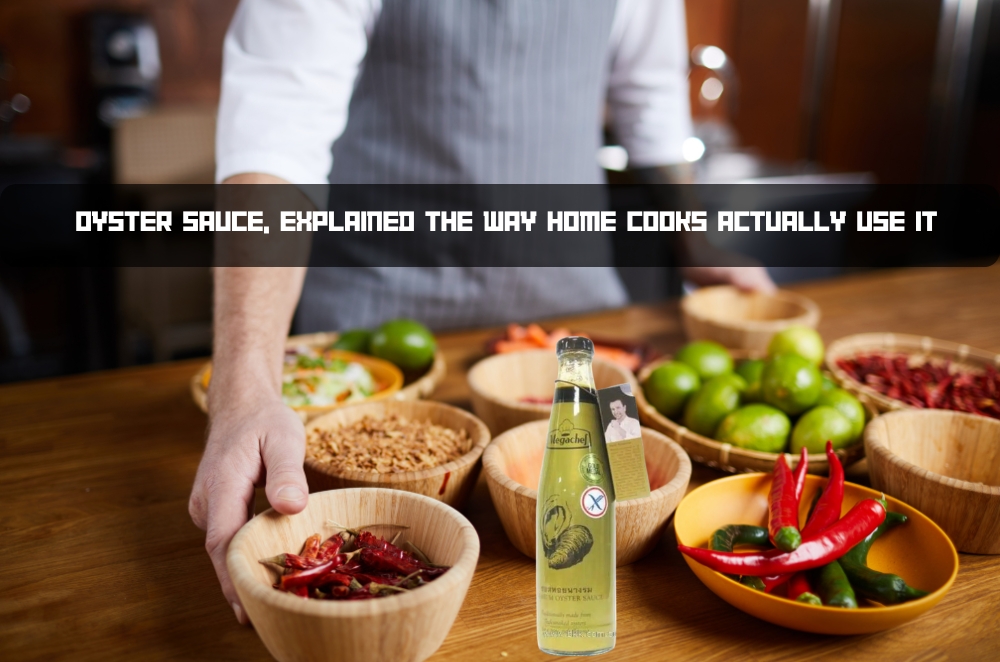
That matters whether the customer is stocking a home pantry, a larger household, or a commercial kitchen. It is one thing to like a product once. It is another thing for it to be reliably available in the sort of sizes real buyers need. One example is this Megachef Premium Oyster Sauce listing from BKK Australia Pty Ltd, which points to a carton format for kitchens buying with regular use in mind.
That kind of availability says something on its own. It suggests a product built not just for novelty, but for repetition.
And repetition is what pantry staples are really about.
Key Takeaways
- Oyster sauce adds depth, light sweetness, and a glossy finish that helps quick meals feel more complete.
- It works best in modest amounts, usually with a splash of water or stock to help it coat evenly.
- It is especially useful for greens, mushrooms, noodles, and simple marinades.
- The aim is balance, not dominance; it should support the dish rather than take it over.
- Reliable Australian availability matters because pantry staples only become useful when they are easy to buy and easy to use repeatedly.