

A dual commitment to food security and environmental stewardship defines the landscape of British agriculture in 2026. For generations, the primary concern when dealing with agricultural diesel suppliers was securing the lowest price per litre for red diesel. However, as the UK moves closer to its mid-century net-zero targets, the conversation has shifted. Farmers across the United Kingdom are now seeking energy partners who can provide not just traditional gas or oil, but advanced renewable alternatives that protect both their machinery and the planet.
Agricultural diesel remains the lifeblood of rural industry, powering everything from heavy-duty combine harvesters to the backup generators that keep dairy parlours running during winter storms. Yet, the introduction of Hydrotreated Vegetable Oil (HVO) has revolutionized what it means to be a fuel provider in this sector. Modern suppliers are no longer just delivery drivers; they are energy consultants helping farms navigate a transition that balances operational power with a drastically reduced carbon footprint.
The Strategic Importance of HVO Fuel Suppliers in the UK
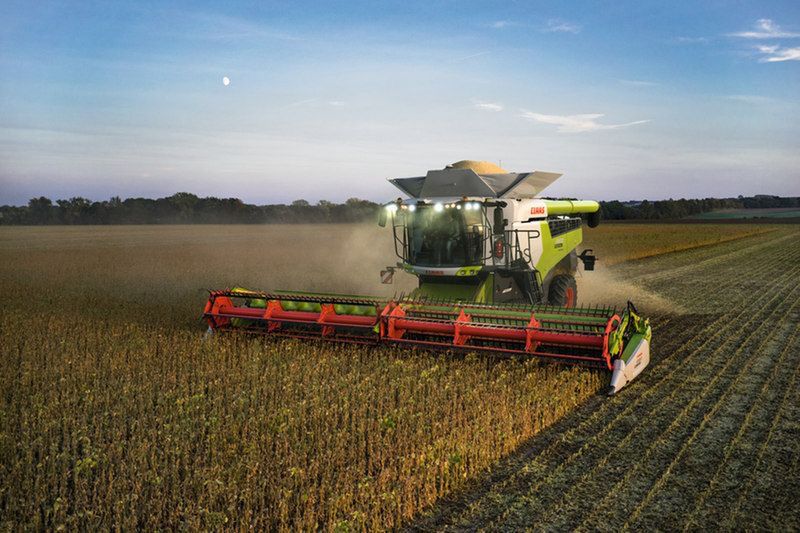
The rise of HVO fuel suppliers in the UK represents one of the most significant shifts in agricultural logistics in decades. HVO is a premium, paraffinic diesel that serves as a direct, "drop-in" replacement for standard diesel. Unlike first-generation biodiesels, which often cause issues in sensitive tractor engines, HVO is manufactured via hydrotreatment. This results in a chemically stable fuel that meets the stringent EN 15940 standard, ensuring it performs identically—if not superiorly—to the fossil fuels it replaces.
For a UK farmer, the primary draw of HVO is the immediate 90% reduction in net greenhouse gas emissions. This is achieved without the need for expensive engine modifications or the purchase of new electric machinery that may not yet be capable of the 12-hour workdays required during harvest. By partnering with specialist HVO fuel suppliers in the UK, agricultural businesses can meet the increasing sustainability demands of major supermarkets and grain buyers while maintaining the high torque and reliability required for their work.
Enhancing Engine Longevity and Winter Performance

One of the hidden advantages often highlighted by HVO fuel suppliers in the UK is its impact on engine health. Traditional red diesel is prone to "diesel bug"—a microbial growth that thrives in the presence of water and the FAME (Fatty Acid Methyl Ester) content found in standard biofuels. Because HVO is 100% FAME-free and does not attract water, it virtually eliminates the risk of blocked filters and fuel line sludge. This leads to cleaner combustion, fewer particulate deposits, and extended service intervals for expensive agricultural machinery.
Furthermore, the UK's unpredictable climate poses a challenge for fuel stability. Standard diesel can wax or "gel" in extreme cold, but HVO boasts exceptional cold-weather performance. With a cold filter plugging point (CFPP) often as low as -20°C, it provides peace of mind for livestock farmers who need their equipment to start reliably at dawn in the middle of a Scottish or Northumbrian winter. This reliability makes the switch to HVO as much a practical operational decision as it is an environmental one.
Navigating Red Diesel Regulations and Tax Compliance

The regulatory environment for agricultural diesel suppliers has become increasingly complex since the 2022 tax reforms. While the agricultural sector retained its entitlement to use rebated "red" diesel, the scrutiny on fuel usage has never been higher. HVO fuel suppliers in the UK now offer both "red" (rebated) HVO for off-road agricultural use and "white" (full duty) HVO for road-going vehicles. This allows a farm to unify its fuel supply under a single renewable brand while remaining fully compliant with HMRC regulations.
Selecting a supplier who understands these nuances is vital. Reputable UK distributors provide detailed invoicing and traceability, ensuring that farmers can prove their fuel's sustainability credentials during environmental audits. This transparency is essential for farms participating in carbon-offsetting schemes or those looking to claim capital allowances on "green" investments. A knowledgeable supplier acts as a safeguard, ensuring that the transition to renewable energy doesn't result in an accidental breach of tax or environmental law.
Long-Term Fuel Stability and Bulk Storage Benefits

A major logistical headache for any farm is the degradation of fuel during the off-season. Machinery used only for harvesting or planting may sit idle for months, allowing traditional diesel to break down and lose its combustible quality. HVO fuel suppliers in the UK frequently point to the fuel's incredible shelf life—up to ten years in proper storage—as a key selling point. Unlike fossil diesel, which begins to degrade after six months, HVO remains stable, meaning the fuel bought in the spring will be just as effective if used a year later.
This stability allows farmers to engage in strategic bulk buying. When prices are favorable, an agricultural business can fill its tanks without worrying about the fuel "going off" or developing a microbial infestation. This storage resilience is particularly beneficial for remote farms in the Highlands or the South West, where winter deliveries can sometimes be delayed by snow or flooded lanes. Having a decade-stable fuel source in the tank is a form of energy security that traditional diesel cannot match.
Verifying Sustainability and Sourcing Integrity

As the demand for HVO grows, the importance of working with ethical HVO fuel suppliers in the UK cannot be overstated. Not all renewable diesel is created equal; the environmental benefits depend entirely on the feedstock used. The most reputable UK suppliers ensure their HVO is derived from 100% waste products, such as used cooking oil or tallow, rather than virgin crops like palm oil, which can contribute to deforestation elsewhere.
Farmers should look for suppliers who hold International Sustainability and Carbon Certification (ISCC) or are part of the Renewable Fuels Assurance Scheme (RFAS). These certifications provide a "cradle-to-grave" audit trail, guaranteeing that the fuel in the farm's tank has actually delivered the carbon savings promised. In an era where "greenwashing" is a significant risk, having a supplier that can provide a Proof of Sustainability (PoS) certificate for every delivery is a competitive advantage for any UK agricultural business.
The Future of the Agricultural Diesel Market

The evolution of agricultural diesel suppliers reflects the broader transformation of the UK economy. While the 2026 market still sees a significant volume of traditional gas oil, the momentum is clearly behind paraffinic fuels. The HVO infrastructure is now nationwide, with depots from Cornwall to Inverness capable of providing bulk deliveries to the farm gate. As the price gap between fossil diesel and renewable alternatives continues to narrow due to carbon taxation and increased production scale, HVO is moving from a "premium option" to the industry standard.
For the modern farm, the choice of a fuel partner is a choice about the future. By moving toward HVO, agricultural businesses are reducing their Scope 1 emissions, protecting their high-value machinery, and ensuring they stay ahead of ever-tightening environmental regulations. The role of the supplier has become one of partnership, helping to keep the backbone of the British economy strong, productive, and sustainable for the next generation of farmers.