


If you’re researching dental implant surgery in Melbourne, chances are you’re not doing it for fun. A missing tooth (or a wobbly one you know is on borrowed time) has a way of creeping into everything: what you eat, how you talk, even how you laugh in photos. This is a practical, first-timer-friendly guide to what usually happens in Melbourne clinics, what to ask, and what to watch for before you say yes.
What an implant is (and what it isn’t)
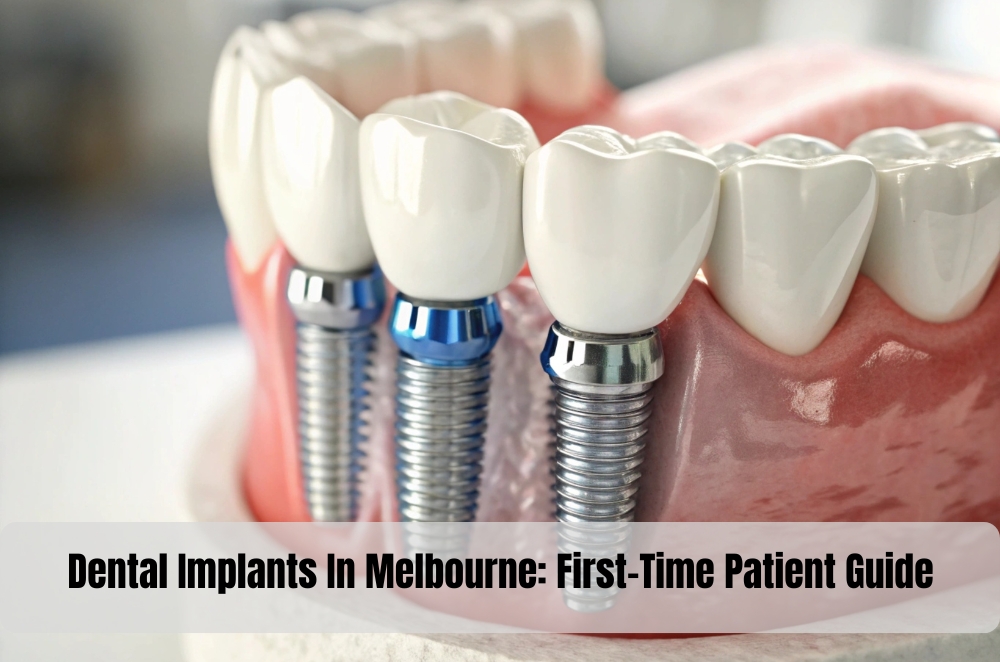
An implant isn’t just a “fake tooth”. Think of it as a small post that sits in the jawbone and replaces the root. Then you add the parts that make it look and function like a tooth.
Most implant setups include:
- the implant fixture (the part in the bone)
- an abutment (a connector, sometimes integrated)
- a crown (the visible tooth)
Why bother knowing the parts? Because quotes often bundle them differently. One clinic might say “implant included” but mean the surgical component only, while another is quoting for surgery plus the crown and follow-ups. Same word, different package.
The first appointment: what should happen
A decent first consult should feel more like planning than selling. You’ll usually have an exam, a chat about your goals, and imaging. Many dentists use 3D scans (CBCT) to check bone shape, nearby nerves, and whether the site is straightforward or needs extra steps.
A quick real-world example: a mate of mine went in expecting a simple replacement for a molar that had been missing for years. The first clinic said it was “easy” in five minutes. The second showed the scan and explained the bone had narrowed, so the “easy” option came with compromises. That slower, more detailed consult was the one that actually helped him decide.
Useful questions for a first visit:
- What’s the likely timeline from start to finish?
- Will I need grafting, or is bone volume fine as-is?
- Who does which step (surgery and the final crown)?
- What are the main risks in a case like mine?
The typical timeline (and what “same-day” can mean)
For many people, implants are a staged process. Not because anyone enjoys waiting, but because biology has its own schedule.
A common pathway looks like this:
- Planning and scans
- Implant placement (surgical appointment)
- Healing while the implant integrates with the one
- Crown fitting once stability is confirmed
Now, about “same-day”. That phrase gets used loosely. Sometimes it means an implant is placed immediately after extraction. Sometimes it means you leave with a temporary tooth. Much less often, it means a final tooth immediately.
Same-day options can be appropriate when:
- The implant is stable at placement
- Bite forces can be controlled while healing
- The case is planned carefully (no shortcuts)
Staged treatment is often chosen when:
- There’s infection, inflammation, or tricky gum conditions
- Bone support is borderline
- You grind or clench heavily
- aesthetics are high-stakes (front teeth can be unforgiving)
If you want to add a related piece on Medium later, this is where an internal link fits naturally: same-day implants in Melbourne
Cost: how to compare quotes without losing your mind
Implants can be a significant expense, and costs vary based on complexity, materials, and whether extra procedures are needed. If you’ve searched for dental implants cost in Melbourne, you’ve likely seen the broader point that dental care is often paid privately, and it’s worth understanding your options before you commit.
Instead of comparing “one number”, compare what’s included.
Ask for an itemised breakdown that covers:
- imaging and planning
- implant placement
- abutment and crown
- temporary tooth (if relevant)
- expected review visits
- likely add-ons (for example, grafting) and how those are priced
If a quote feels vague, ask them to email it in writing. It’s amazing how quickly things clarify when inclusions, exclusions, and timeframes are on one page, too.
One small tip that helps: ask each clinic to write down the “finish line”. Does the quote get you to a final crown you can chew with, or does it stop at surgery? Getting that clarified early saves surprises later.
Recovery and aftercare: the unglamorous part that matters
Most people fixate on the surgery day. Fair. But long-term success is often decided in the boring weeks after.
In the first couple of days, your goals are simple: protect the site, manage swelling, and avoid poking it. After that, it becomes a routine game.
Good aftercare usually involves:
- gentle, consistent cleaning around the area (with the tools your clinician recommends)
- showing up for reviews, even if it “feels fine.”
- dealing with clenching (a night guard can be a big deal for some people)
- being honest about smoking or vaping, because it can affect healing
Another real example: I helped a relative through the post-op week once. The biggest issue wasn’t pain; it was impatience. He wanted to “test” the area with crunchy food way too early. The dentist’s advice was basically: treat it like wet cement for a while. Not exciting, but it made sense.
When bigger solutions enter the chat (All-on-4 and more)
Even if you’re replacing one tooth, you’ll probably hear about full-arch options like All-on-4 at some point. These can suit people with multiple failing teeth, unstable dentures, or large gaps. They can also be overkill for someone who just needs a single, predictable replacement.
If you plan to include a neutral explainer link later, here’s the required placeholder: what is all on 4 dental
The main takeaway: full-arch work is still implant dentistry, but the design, maintenance, and bite planning are in a different league. Worth exploring—just not something to decide on a whim.
Final Thoughts
If you’re a first-time implant patient in Melbourne, focus on three things: a clear plan, a clear quote, and a clear aftercare routine — especially if you’re comparing options like same day implants in Melbourne. Don’t be shy about second opinions. Ask the “boring” questions about timelines, inclusions, and what happens if Plan A needs to become Plan B. That’s not being difficult. That’s being sensible.