


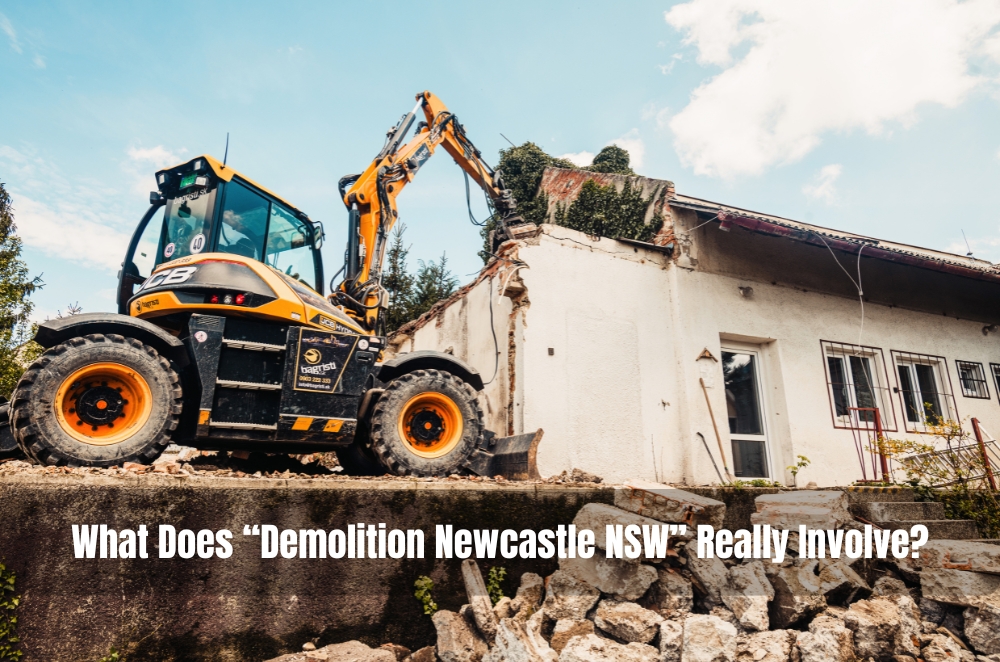
Newcastle demolition isn’t a blunt exercise. It’s narrow streets, heritage overlays, reactive clays, and neighbours who expect sleep. The smart move is choosing licensed demolition contractors in NSW who bring paperwork, sequencing, and community care—not just bigger machines. Miss one permit and the whole program stutters. Miss a service, and you’re hand-digging for hours. Good operators stage noise, manage dust with misting, and keep spoil moving so the plant isn’t idle. They salvage steel, pre-book tipping, and keep utility scans front and centre. In short: fewer delays, lower risk, cleaner handover. That’s what turns a tricky teardown into a predictable start for the build that follows.
What controls risk before machinery starts?
Pre-construction discipline. Map services, confirm approvals, and stage works so disturbance stays low while progress stays steady.
We start with the services location and a hazardous materials sweep. That gives the baseline for a safe soft strip, then structural takedown. Heritage sensitivities and neighbour proximity shape the method—smaller plant, more handwork, or protective scaffolds when needed. Traffic is the sleeper risk; define truck routes, avoid school peaks, and set predictable windows so the street keeps moving.
To help teams align early decisions with on-site realities, we’ve compiled Newcastle demolition project planning covering staging logic, utility isolation, and waste sequencing. Use it as a checklist, not a crutch.
- Stage high-noise tasks into short windows
- Lock waste bookings before mobilising
- Keep a daily ledger of volumes and delays
- Nominate a single point of neighbour contact
Local geology matters. Mixed fill pops up across older suburbs—brick bats, ash, random reef rock. Have alternate haul options priced and ready. Confirm disposal facilities and categories in advance; the wrong bin class can torch a day’s budget. Keep comms open with neighbours. Clear, upfront timelines turn complaints into quick fixes rather than formal notices.
How do you keep disruption low and goodwill high?
Respect the street first. Plan like you live next door; then execute with predictable rhythms and visible controls.
Noise becomes tolerable when it’s short, flagged, and during reasonable hours. Dust control needs balance—enough mist to bind particles without turning lanes into slurry. Fencing helps keep debris in and curiosity out. We also locate plant to reduce vibration transmission into boundary walls and lightweight structures; fewer rattles, fewer headaches.
Bulletproof traffic plans save goodwill. One blocked driveway and the job’s reputation spirals. Book larger moves outside the neighbourhood’s busy cycles. Communicate with businesses about loading docks and delivery runs so trade keeps trading. On weather days, shift to lower-impact tasks and keep neighbours in the loop. That transparency builds trust and keeps the schedule alive even when the sky won’t play nice.
What separates safe from genuinely smart delivery?
Safe is table stakes. Smart delivery means better sequencing, less waste, and a site that’s truly development-ready.
The best crews strip recyclables first, segregate spoil to unlock cheaper tipping, and treat steel like cash on the deck. Utility scans go beyond a single pass—re-check after soft strip when visibility improves. Front-load paperwork so excavators aren’t waiting on signatures. And measure: volumes, truck cycles, and idle time. Numbers tell you where the day actually went.
- Pre-strip metals and timber for recycling
- Segregate spoil to reduce disposal rates
- Re-scan utilities after the soft strip
- Track cycles to tune plant and staff
Budgets hold when the plan accounts for uncertainty. Build a float around approvals and tipping queues. Keep an alternate plant list; the “perfect” machine stuck on another job is worse than the second-best tool on time. Finally, document the site handover like a forensic report—photos, compaction results, contamination receipts. That file protects valuation, lender confidence, and downstream trades.
Across the region, we’ve seen consistent gains when crews blend compliance with street-level pragmatism. If you’re weighing methods, materials recovery, or staging, a regional perspective helps translate intent into outcomes without reinventing the wheel. For extra context on neighbouring conditions and contractor rhythms, this regional demolition best practice piece captures how small, disciplined choices compound into smooth programs and cleaner pads ready for footing crews.
conclusion
Demolition in Newcastle rewards planning over bravado. Tight streets and mixed fill aren’t problems when services are mapped, neighbours are informed, and waste flows without bottlenecks. Build the program around approvals, traffic peaks, and weather slack; then measure cycles so decisions stay honest. Keep salvage front-of-mind to trim cartage and costs. Do those things consistently, and the site you hand to the build team is quiet, compliant, and genuinely ready to work.