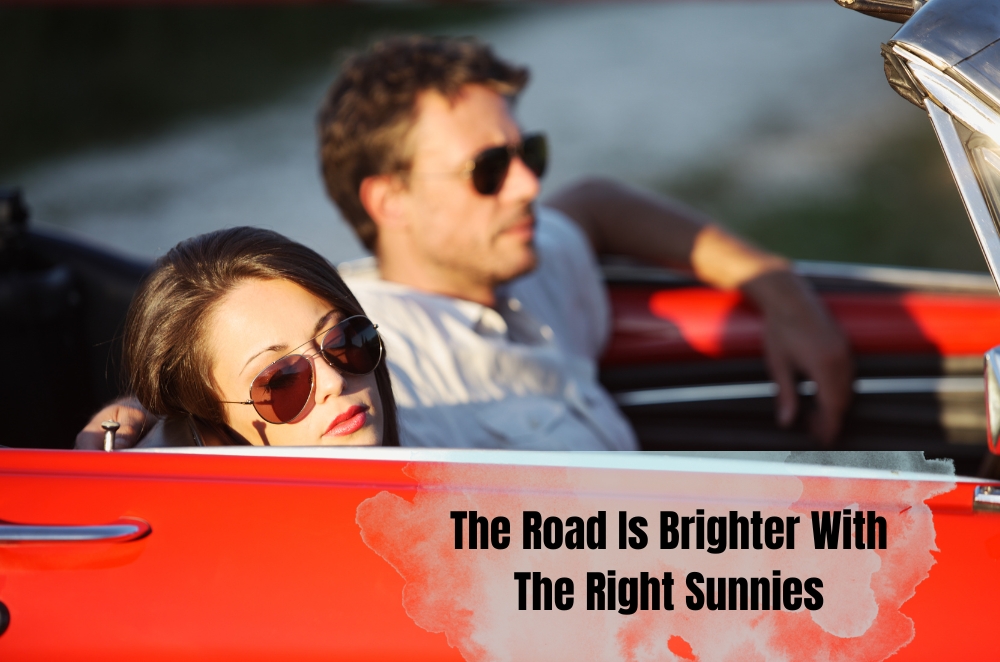
Summer driving in Australia feels like freedom sewn across long ribbons of highway, but glare can be punishing. When we pack the esky, queue the playlists, and check the tyres, we still make room for “polarised sunglasses for road trips” because they save our eyes more than most people realise. Polarised lenses cut harsh, horizontal reflections from bitumen, bonnet edges, and sun-baked signs, which means fewer squints and steadier focus. Long stretches grow easier when contrast is crisp and colours stay honest. Good sunnies won’t fix traffic or roadworks, but they shave strain, reveal shadows and puddles, and keep focus on the road and the people riding with us safely.
What makes polarised lenses safer behind the wheel?
They strip out blinding horizontal glare so our eyes relax and our reactions stay steady. The effect shows up fast when sunlight hits wet roads, chrome, or windscreens.
Most glare arrives in a messy band that polarised films dampen, leaving the useful light that carries detail. That’s why white lines stand out sooner, and brake lights feel less harsh. Less squinting means fewer headaches and a quieter mind over distance. Choose medium grey or brown tints to preserve colour accuracy, and avoid extreme lens curvature that can warp the edges of the view. Rubberised pads and light frames keep everything planted when humidity rises and the air-con battles heat.
- Pick grey or brown for a natural colour
- Medium tint for daytime driving
- Moderate wrap to reduce distortion
Which lens colours work best in mixed light?
Grey and brown balance brightness and contrast without twisting colours. That keeps signs, lane markings, and brake lights easy to read in changing conditions.
Blue-white glare off water and metal can trick the eyes into overcorrection; grey reins it in without killing reds or greens. Brown adds warmth that sharpens contours along shaded verges and tree tunnels. Heavy mirror coatings look flash but can starve light at dusk, which isn’t ideal on country roads. If you’re moving between tunnels and sun-scorched arterials, pair a lighter base tint with solid polarisation rather than going too dark too early.
- Keep mirror coatings subtle for driving
- Prioritise clarity and comfort over trends
- Choose tints that keep brake lights vivid
Drivers who alternate between coastal runs and inland highways also face haze, salt spray, and abrupt sun angles near bridges. In those conditions, polarisation helps most when the base tint isn’t overly dark. Over-tinting can force your pupils wide, making tunnels harder and recovery slower when you exit into blast-bright light. We’ve found that small differences in transmission — say, a few percentage points — feel huge at midday. It’s worth paying attention to how the lens treats reds at low sun, because brake lights and hazard flashers still need to punch through fatigue. If dusk driving is common, skip heavy mirrors and lean on anti-reflective back coatings to stop the inner surface shining each time the sun sits behind you.
How should frames feel on long trips?
Like truly nothing at all: stable, light, and heat-resilient. Anything that pinches or slips becomes a distraction faster than most drivers expect.
Sweat, wind, and bumps test every contact point. Temples should sit flat under caps and headsets; hinges need to shrug off glove-box rattles. Matte textures resist fingerprints, and flexible, recyclable materials handle parked-car heat. Balanced weight prevents nose-bridge hotspots, while slight texture at the tips improves grip without grabbing hair. Lenses that pop in and out make scratches a cheap fix, not a ruined weekend. The small, almost invisible design decisions end up shaping the whole trip — fewer fiddly adjustments, more attention for the road.
Fit evolves during a trip. Heat swells skin slightly; sweat and sunscreen change friction; even the pressure from over-ear headphones can nudge balance. That’s why adjustable nose pieces and spring hinges earn their keep on day two, not day one. We also like frames that play nicely with broad-brim hats and cycling caps, since many road trips include quick detours and roadside walks. If you’re swapping drivers, easy lens swaps mean each person can keep their preferred tint without carrying two pairs. Finally, durability matters more than it seems: a frame that survives a sandy dashboard nap or a back-seat stomp stops the petty dramas that throw off focus and sour the mood before the next long stint.
conclusion
Road trips reward small choices that reduce strain hour after hour. Polarised lenses cut glare early, protect our eyes, and help us settle into a calmer rhythm behind the wheel. For a refresher on differences, tinted versus polarised sunglasses sit in the middle of the decision. Pair sensible greys or browns with frames that stay put, and the kilometres feel lighter, the calls sharper, and the cabin mood more relaxed.