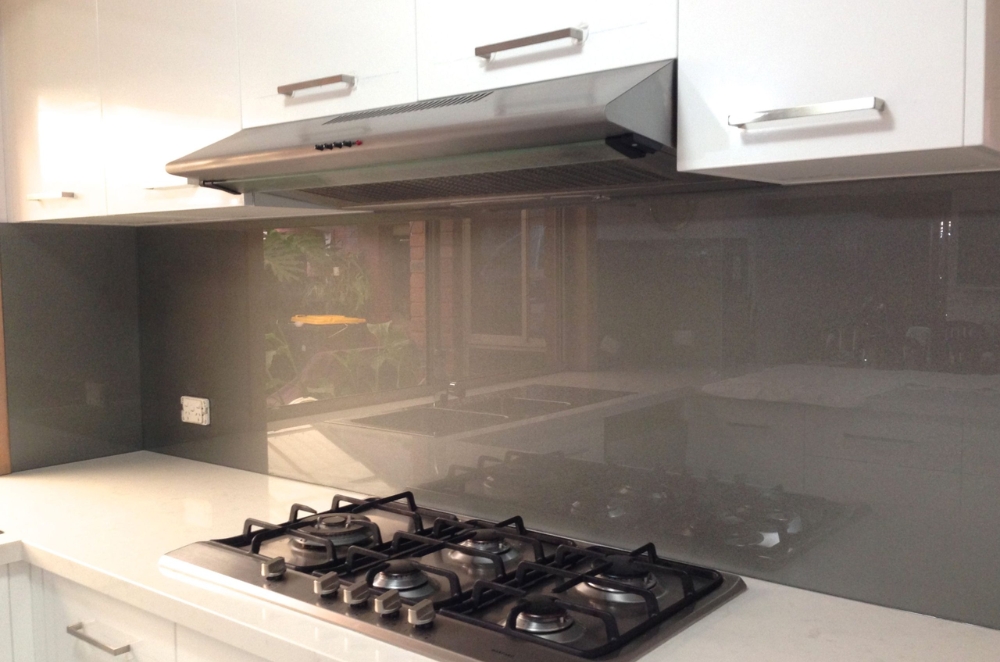
If you’re refreshing a tired kitchen in 2025, you’ve probably clocked the shift: fewer fussy grout lines, more clean planes and light bounce. That’s why designers keep nudging homeowners toward glass—fast install, easy wipe-downs, and colour that doesn’t date overnight. If you want a quick win that feels custom without the custom headache, kitchen splashbacks glass is pulling ahead on both style and practicality.
Why splashbacks are topping upgrade lists this year
Paint can freshen a wall, but glass changes how the whole room behaves—light, shade, even acoustics. Renovation budgets are tighter, and lead times matter. A templated panel can be measured, cut and fitted with minimal disruption, and it plays nicely with both matte and gloss cabinetry.
- - Visual punch without clutter: One reflective plane elongates sight lines and dials up perceived space—handy in apartments and narrow terraces.
- - Maintenance you’ll actually do: No grout means no scrub-brush Sundays. Fingerprints wipe off with a spritz and microfibre.
- - Colour control: From crisp whites to earthy eucalyptus and on-trend clay, back-painted glass stays true to the swatch once installed.
- - Heat and moisture resilience: Behind sinks and cooktops, glass shrugs off splashes and steam that age painted plaster.
A quick example: I swapped a mosaic tile splashback for glass in a rental-ready unit last winter. Turnaround was five working days, install took a few hours, and the exit clean was a joke—ten minutes with glass cleaner and it gleamed for listing photos.
Safety and compliance: What the rules expect
Any splashback behind a cooktop deals with heat, impact and cleaning chemicals. That’s why NSW guidance highlights safety glazing. If your design sits within the hazard zone, specify toughened (tempered) safety glass and follow clearance rules for burners.
Point your builder or certifier to toughened glass splashback so the upgrade aligns with local expectations and passes sign-off smoothly.
Colour, mirror, or print? How to pick for your space
Three directions cover most briefs:
- - Back-painted colour: Best for calm, contemporary rooms. Soft greens and warm whites are 2025 heroes with pale timber and brushed nickel.
- - Mirror (standard or smoked): Magnifies light and doubles your view—great for compact kitchens or those facing a garden. Smoked/bronze mirror tames glare and hides splashes between wipes.
- - Printed glass: From terrazzo to linen textures. With a good printer and durable interlayer, you get richness without feeling “themed”.
Design tip: Moody cabinetry (deep navy, charcoal) loves low-iron white—it reads crisp rather than blue-tinged. With warm timbers, bone or chalk white avoids the hospital feel.
Heat zones and cut-outs: The practical bits that drive cost
Every cut-out—power points, pot-filler taps, corner notches—adds fabrication steps. Panel size, glass thickness, and whether you need low-iron (for true whites) or standard clear will nudge the price, too. Proximity to gas burners is the big one: specify safety glazing and respect minimum clearances. If you’re swapping appliances later (induction now, gas later), plan clearances that suit both so you don’t remake glass.
If you want to go deeper on dollars and timelines for readers, park a pricing explainer here: glass splashback cost with real examples (2.2 m straight run vs 3.4 m L-shape, low-iron vs standard, two vs five cut-outs).
Cleaning and longevity: Real-life upkeep
Glass shows splashes honestly—but it also cleans honestly. Daily care is warm water and microfibre; for cooked-on oil, a dab of non-abrasive cream cleaner clears residue without etching. Skip scourers and harsh ammonia—they’re overkill and can dull the sheen. Near the beach? A fortnightly wipe keeps salt film at bay.
From experience: I trialled three cleaners for a year on a white panel behind gas—citrus spray, glass cleaner, and a cheap cream cleanser. Citrus smelled great, but left a faint film. Glass cleaner worked 90% of the time. Cream cleanser (sparingly, soft pad) cleared baked-on splatter in one pass.
Installation walk-through (so you know what “good” looks like)
- Measure & template: Installer checks level, squareness and exact cut-outs. If the benchtop isn’t flat, they scribe to fit.
- Fabrication: Panel is cut, edges polished, holes water-jet cut, then toughened if required.
- Surface prep: Walls cleaned and dried; adhesive lines planned to avoid voids.
- Bonding & cure: Neutral-cure adhesive applied; panel bedded with consistent compression.
- Finish: Edges sealed where necessary; protective film stays on until final clean.
2025 styling moves that actually earn their keep
- - Warm metals over mirror-bright chrome: Brushed nickel or champagne read calmer against reflective glass.
- - Under-cabinet lighting: A continuous LED strip avoids hot spots and makes midnight snacks safer.
- - Timber texture + quiet colour: Pair oak or ash with softly coloured glass for layered warmth.
- - Edge discipline: Keep the benchtop-to-glass joint crisp; a neat bead beats a chunky line every time.
Small-space hack: In a galley, a smoked mirror panel on the windowless side bounces daylight from the opposite run. Feels like someone widened the room overnight.
Repair, replace, or upgrade? Making the call
Hairline scratches and minor seal discolouration can be lived with; deep chips or impact stars near a cooktop can’t. If you’re switching to induction, now’s the moment to reassess colour and light—glass is a one-day swap that transforms the room far more than a paint change.
For readers comparing mirrored looks specifically, a companion explainer 100+ words away from the internal link above keeps your cluster tidy: mirror splashback kitchen covering reflectivity, fingerprint care and heat considerations near burners.
FAQs (the questions we get on every project)
Can glass go behind a gas cooktop? Yes—when you specify safety glazing and meet clearances. See the toughened glass splashback link above to brief certifiers confidently.
What thickness should I choose? Most kitchens run 6 mm; larger spans, darker colours or mirrors may push you to 6–8 mm for rigidity and a flatter look.
Will white look blue? Standard clear glass has a green cast. For crisp whites and pale greys, choose low-iron.
Tiles vs glass for resale? Buyers respond to “new and easy.” Glass reads modern and low-maintenance—two words that sell in tight markets.
Final thoughts
Kitchens in 2025 are calmer, lighter and easier to live with. Glass splashbacks lead because they deliver all three without blowing the budget or the schedule. Start with a neutral hue you love at 7 am (not just in golden-hour photos), specify safety glazing where heat’s involved using the toughened glass splashback guidance, and let the glass do what tiles can’t—bounce light, stretch space, and keep cleaning to a wipe if you’re ready to move from mood board to measuring tape, shortlist colours and book templating glass splashback.