

Strata buildings across Australia are evolving from simple maintenance projects into opportunities to shape how residents experience their homes. Committees no longer want quick fixes that just refresh a façade — they’re asking for design choices that feel modern, last longer, and create welcoming shared spaces. Colour plays a major role in that shift, as do finishes that hold up in tough coastal or urban environments.
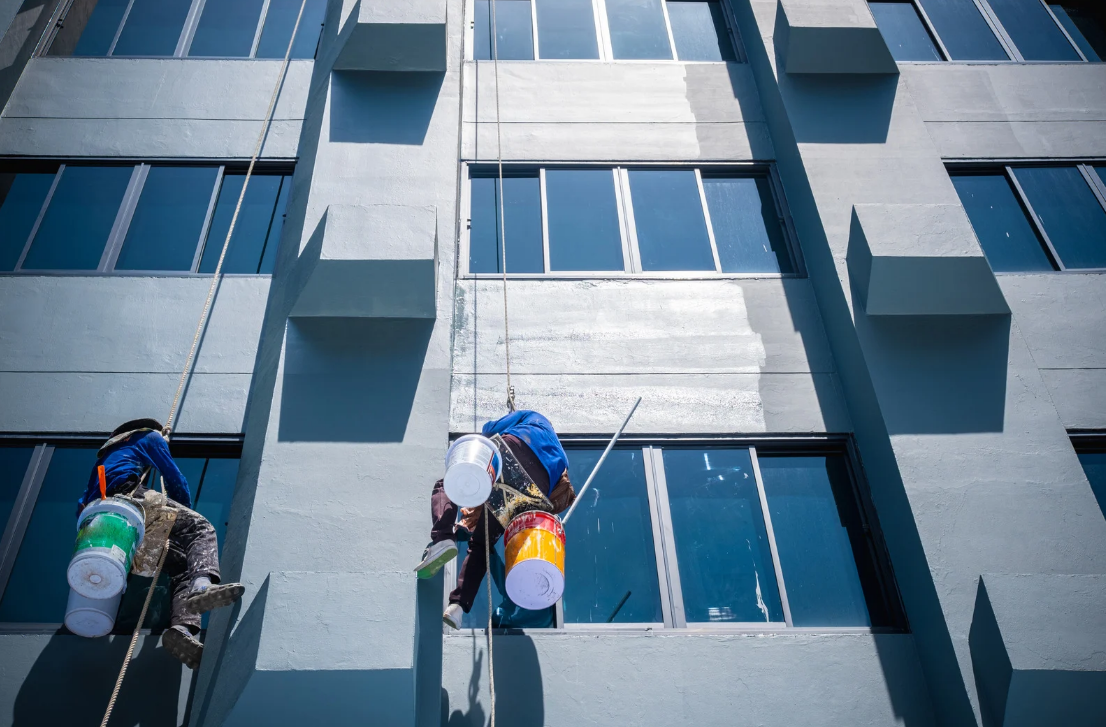
One of the most effective ways to achieve that balance is through professional strata painting services, where careful planning and execution turn a repaint into a design upgrade. It’s not about flashy trends, but about getting the tones, coatings, and detailing right so the building looks cohesive and stays that way for years. The best projects I’ve seen start with a strong brief and a willingness to trial ideas, giving residents confidence in the choices being made.
What’s shaping strata design in 2025
Residents are asking for spaces that feel calm, durable and a bit more human. That means colour and materials are doing heavier lifting than they used to, with committees prioritising legibility (wayfinding that makes sense), comfort (light, airflow, acoustic balance) and longevity (coatings that stand up to sun and sea air). I’ve walked a few mid-rise blocks lately where a subtle shift in contrast on balcony edges suddenly made the whole structure feel lighter. Small moves, big impact.
- Warmer neutrals with crisp, darker trims to define edges and rail profiles
- Matte or low-sheen exterior finishes to reduce glare on north and west faces
- Entry lobbies treated as “welcome zones” with a consistent palette and materials
- Wayfinding reinforced by colour bands and simple, readable type on signage
Industry groups like Strata Community Australia (SCA) have pointed out that residents increasingly see design as part of long-term property value, not just appearance. That shift explains why committees are making colour and material choices with resale and livability firmly in mind.
A useful test is to view proposed colours at multiple times of day and from street level. If the palette still reads clearly from 30 metres away and the circulation spaces feel calmer up close, you’re on the right track. Maintenance teams will thank you later if the scheme hides scuffs in high-touch spots without looking heavy.
Licensing, safety and workmanship expectations
Quality finishes start with the process. Skipping preparation or compliance tends to show up fast—peel lines, hairline cracking around joints, and inconsistent sheen where substrates change. A straightforward way to reduce risk is to make licensing checks part of the brief from day one. Projects tend to run cleaner when committees confirm the scope and program with crews that understand local conditions, façade systems and the approvals that sit behind them. Bringing in the contractor early often surfaces staging ideas that keep access open and noise down for residents.
In New South Wales, professional work also needs to align with NSW painting licence requirements, which set the standard for who can carry out this type of specialised trade. Ensuring those basics are covered provides reassurance that the job will be completed safely and to an acceptable quality, without leaving residents to pick up problems later.
- Ask for a clear methodology covering washing, rust treatment and substrate repair
- Confirm product systems by location (e.g., high UV, salt, traffic touchpoints)
- Specify sample panels in natural light to lock in colour and sheen early
- Schedule quiet-hour works for lobbies and lift cores to keep life moving
Groups such as Body Corporate Matters regularly remind owners corporations that compliance isn’t just paperwork — it directly influences the safety and longevity of shared assets. Their perspective highlights how licensing requirements and best practices can save communities from costly repairs.
On a recent tower repaint in the inner city, early patch tests on parapet caps revealed a legacy membrane under the old topcoat. Catching that detail meant the crew could re-sequence prep, protect the membrane, and deliver a uniform finish that still looked fresh months later.
Design moves that feel current (without dating fast)
Trends come and go, but some moves have real staying power in strata settings. Think restrained palettes, clearer transitions between public and private, and materials that add texture without fuss. I’ve noticed schemes leaning into low-contrast gradients on long elevations to break up mass without shouting. In shared rooms, timber-look laminates and acoustic wall panels soften hard lines; outside, fine-grit non-slip finishes on stairs and ramps keep things tidy in the rain.
When the conversation turns to layout and shared amenity, it helps to gather quick feedback from residents on how spaces are actually used—prams by the lift, bikes under stairs, parcel drop-off on the ground plane. Those tiny truths often shape the palette and detailing more than any mood board.
- Colour-zoned “micro-destinations”: parcel nooks, mail bays, bike areas
- Balcony soffits in a slightly warmer tone to lift the night-time ambience
- Stairwell highlights that doubles as an intuitive wayfinding between levels
- Durable, wipeable finishes at hand height through corridors and entries
These adjustments sit comfortably within ideas of modern strata design, where the goal is to keep spaces simple, calm and easy to navigate while still giving the building a distinct character. Architects like BMA Architects often highlight similar principles, showing how restrained detailing and subtle contrasts can make large residential structures feel more welcoming.
Respecting character buildings while moving forward
Plenty of strata schemes sit in established streets where character counts: brick rhythms, sandstone, decorative cornices, or timber windows with a century of stories. The aim isn’t to recreate the past, but to work with what’s already persuasive—proportion, shadow lines, and tactile materials—so updates read as part of the place. Matching undertones (warm vs cool) usually matters more than finding a “perfect” historical hue, and a single accent applied consistently across entries, rails, and doors can stitch old and new together.
In practice, that might look like a satin finish on metalwork to echo traditional iron details while keeping the façade crisp; or a considered contrast between masonry and balcony edges to make the structure feel leaner without trimming character. On one terrace conversion I walked recently, the committee limited themselves to three permanent colours and relied on planting for seasonal variation. It felt grounded and low-stress to maintain.
- Undertone harmony first; historic references second
- Accents confined to touchpoints: doors, rails, handrails, mailbox clusters
- Gentle sheen on metal for depth; matte on broad walls for calm
- Planting as a living “fourth colour” to refresh the palette over time
When a building has clear period cues, approaches to home restoration in Sydney show how careful colour choices and consistent detailing can maintain heritage character while still delivering the resilience needed for everyday strata living. The sweet spot is quiet cohesion—nothing fussy, just parts that belong together.
Final thoughts
Strata design in 2025 rewards clarity: a restrained palette that reads from the street, materials that handle daily touch, and sequences of space that make life simpler for residents. Start with a short brief, a handful of reference images and a willingness to test finishes on real substrates. Keep wayfinding obvious, transitions calm and detailing consistent from fence to foyer. If you treat the repaint as a design decision rather than a maintenance chore, the building will feel more legible, more welcoming and more itself—today and a decade from now.