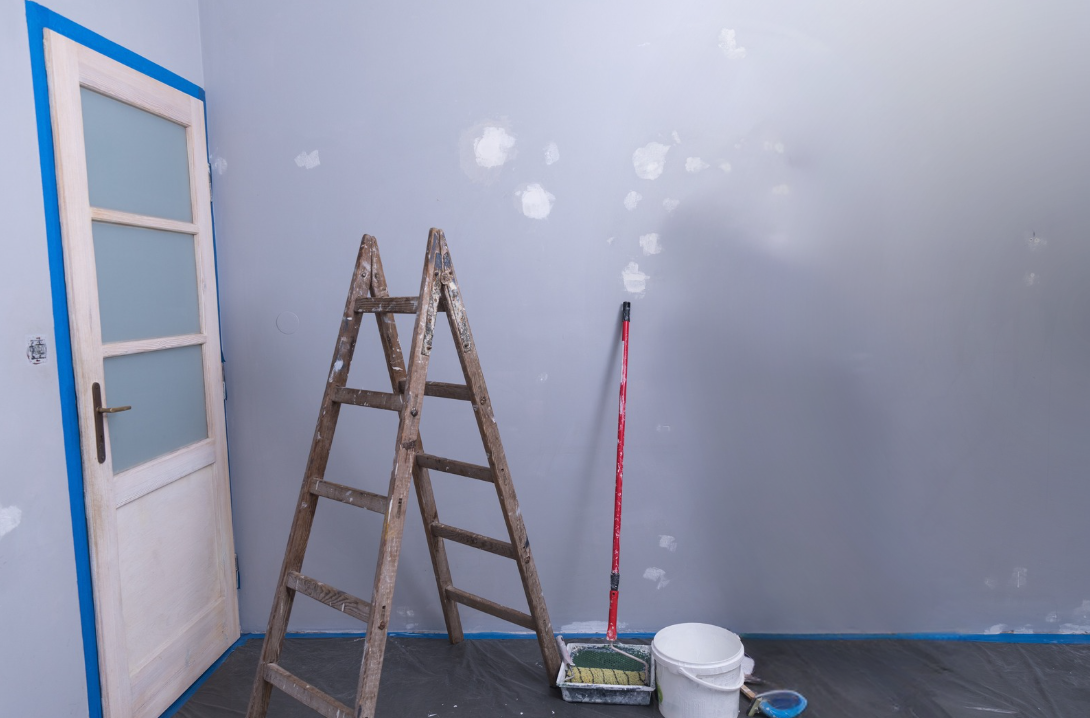
Choosing a painter isn’t just a tick-box errand; it’s a decision that shapes how your home feels day to day. If you’re weighing up options around Sydney, one reliable starting point is to look for professional Sydney painters who communicate clearly, prepare surfaces properly, and stand behind their work. The right team will talk through primers, finishes, and timing in plain language, then deliver a finish that looks good in all lights—not only in a carefully staged photo. I’ve walked through more than a few jobs where tidy prep and respectful site etiquette mattered as much as colour choices. This guide breaks down the practical cues that help you choose well, so you can enjoy a fresh, durable result without fuss or second-guessing.
What a dependable local painter looks like
A good painter is easy to spot once you know the signals. Beyond the photos and nice words on a website, the way they scope, plan, and handle your home speaks volumes.
- Clear methods: surface preparation, patching, sanding, priming, and coats explained plainly—no jargon.
- Evidence of care: drop sheets, taped edges, dust control, and end-of-day clean-ups as standard.
- Product fit: paints and sealers chosen for your home’s materials and exposure (sun, salt air, trees).
- Communication rhythm: who’s on site, when they start, what happens if the weather changes.
A quick way to sense quality? I ask them to talk me through a single wall: where they’ll start, how they’ll cut lines, and what they’ll do if they hit a surprise (old silicone, hairline cracks, or an oily patch from a candle). Confident pros can answer with specifics, not fluff.
Licensing and workmanship standards in NSW
In New South Wales, painting is treated as trade work, and not just anyone can pick up a brush and advertise as a professional. Homeowners are better protected when they hire painters who understand and follow NSW painting licence requirements. These rules set out who can legally carry out painting jobs, what level of training is expected, and how work should be supervised on site. It’s less about bureaucracy and more about making sure the people working on your walls are accountable, safe, and properly qualified.
- Ask which certificate or pathway they’ve completed, and who supervises on-site.
- Confirm they’ll manage site safety and comply with local standards.
- Request a simple scope document: rooms, surfaces, prep, and finishes.
- Check how they manage touch-ups if a surface behaves unpredictably.
Scoping the job and protecting your home
Once you’ve narrowed the field, the next step is agreeing on the scope. Good painters map a room like a surveyor: what needs patching, which edges get caulked, where moisture might lurk, and how furniture will be protected. They’ll also suggest test patches in tricky spaces—stairwells, bright north-facing rooms, or shaded alcoves—to see how colour reads through the day.
- Surfaces: plaster, timber, brick, or board—each needs its own prep rhythm.
- Conditions: ventilation for drying, airflow for oils, and cure times for bathrooms.
- Disruption: how they stage rooms so you can keep living around the work.
- Edgework: crisp lines around trims, switches, cornices, and skirtings.
A quick personal example: in a semi in Marrickville, the hallway looked fine at first glance. We dimmed the lights and raked a torch along the wall; dozens of shallow dents appeared. The painter re-scoped to include a light skim coat and extra sanding. It added a day, but the finished hall looked level and calm—no pockmarks catching the afternoon sun.
North Sydney nuance: microclimates, materials, and access
Homes north of the bridge can throw up a few quirks: salt-tinged air closer to the water, leafy shade that slows drying, and heritage trims that need gentle handling. Balconies, sandstone, and high-traffic stairs also change the way a painter sequences the job. In this context, it helps to think like a local and approach shortlists with neighbourhood experience in mind. If you want a plain-English explainer on shortlisting and questions to ask, it’s worth skimming something grounded in the area—especially when you’re choosing house painters in North Sydney. The better teams will talk candidly about access, weather windows, and which finishes hold up under trees versus open sky.
- Heritage details: treat ceiling roses, cornices, and timber trims as small projects of their own.
- Exterior wear: guard rails, thresholds, and sun-blasted fascias may need extra prep.
- Ventilation planning: wet areas and kitchens benefit from products that cure well in lower airflow.
- Colour reading: test chips in morning and late light; leafy streets can cool down warm tones.
I’ve also seen painters bring sample boards to a Mosman job and move them across three rooms at different times of day; it made the final palette feel deliberate rather than guessed.
Design choices that last in Sydney homes
Trends shift quickly, but the best paintwork balances style with staying power. Neutral bases often keep a room feeling open, while textured finishes can add warmth in high-use spaces like hallways or living areas. The trick is to choose colours and finishes that hold up under Sydney’s shifting light—from bright mornings to softer evening tones.
When you’re weighing up options, it can help to look at Sydney interior design painting ideas that show how colour schemes work across different home styles. The aim isn’t to copy trends but to notice how certain shades interact with natural light, floor materials, and existing furniture.
- Warm whites can balance cool-toned tiles or stone.
- Muted blues and greens work well in shaded or tree-covered homes.
- Bolder accents can lift smaller rooms if used sparingly.
- Consistency across trims and walls often creates a calmer flow.
Good painters will guide you through these choices with a focus on durability as much as style, so the finished space feels right long after the novelty fades.
Final thoughts
Good painting work feels calm: tidy edges, honest preparation, and a finish that suits how you live. Start with clarity on scope, lean on credentials to ensure the job’s handled properly, and choose colours you’ll still enjoy after the first week. If you keep those principles front and centre, you’ll end up with spaces that wear well—practically and visually—long after the last brush is washed.