

If you run a café, bar, or small takeaway in Sydney, chances are your fridge is the hardest-working bit of gear in the whole shop. It hums away day and night, no days off, no knock-off drinks at the end of a shift. Yet most owners don’t really think about how long these machines are meant to last — until something goes wrong.
That’s where professional commercial refrigeration repairs come in. The truth is, a fridge doesn’t suddenly give up one morning. Most of the time, it’s been dropping hints for weeks — maybe it’s running a little warmer than it should, or the door seal feels loose. Getting those repairs done early can stretch the life of your fridge well past what you’d expect. And in a city where food moves fast and fresh, keeping things cool isn’t just about convenience — it’s survival.
How long do fridges usually last?
There isn’t a single magic number, but most commercial fridges clock somewhere around 10 to 15 years. Still, the way it’s treated makes all the difference.
From what I’ve seen:
- The cafés that book regular services tend to get the longest runs.
- Shops that shove fridges into hot, unventilated corners usually burn them out early.
- Dusty coils are silent killers — they force the motor to work double time.
- A fridge that’s stuffed to the brim all the time rarely lasts as long.
I remember a little bakery in Redfern that had a fridge ticking along for 13 years. Nothing fancy, just decent care and regular cleaning. Compare that to a takeaway joint I helped in Parramatta — their fridge barely made it to seven years because no one thought to clear the vents.
It’s also worth noting that some brands design their equipment with longevity in mind. Skope, for instance, has a strong reputation in Australia for producing commercial fridges that stand up well in busy kitchens, provided they’re looked after properly.
Food safety rules are part of the picture
A fridge isn’t just there to make the milk cold. It’s also the main barrier between safe food and unsafe food. That’s why standards like the safe food temperature guidelines exist — to keep everything under 5°C and stop bacteria from multiplying.
I’ve seen what happens when this slips. One café in the inner west had its fridge creeping up to 7–8°C overnight. Nobody noticed at first, until a batch of chicken went off far too quickly. They were lucky to catch it before serving customers. That’s when it clicked: looking after your fridge is really about looking after your customers too.
Manufacturers like Williams Refrigeration often design their systems with advanced temperature monitoring precisely for this reason. Reliable cooling isn’t just about keeping food fresh — it’s about protecting health and staying compliant with standards.
Spotting the signs of a tired fridge
Machines don’t last forever. The trick is noticing when they’re starting to fade before they completely conk out. Some of the common warning signs are:
- Doors that don’t quite close tight anymore
- Water dripping where it shouldn’t
- The motor is sounding louder than usual
- The temp swinging up and down for no reason
- Power bills are creeping up without any other changes
I’ve walked into kitchens where chefs already knew the fridge was struggling — they could hear it. A loud rattle or hum is usually the first clue. People who pay attention to these early changes and know the signs of fridge breakdown often save themselves from losing stock.
When it’s time to replace instead of repair
No one likes the idea of replacing a big piece of kit, but sometimes hanging onto an old fridge does more harm than good. The trick is recognising when the balance tips from sensible maintenance to wasteful patch-ups.
A fridge that’s pushing 12 years and needing constant fixes is usually sending a clear message. Another giveaway is uneven cooling — the top shelves stay warm while the bottom freezes everything solid. That’s not just frustrating; it puts stock at risk and makes staff second-guess what’s safe to serve.
I’ve worked with a pub in the CBD that clung onto a tired old fridge for far too long. By the end, it was leaking water into the cool room every week, and no one trusted it to keep food at a safe temperature. When they finally swapped it out, the kitchen ran smoother, quieter, and with far fewer headaches.
So while repairs are great for extending life, there’s a point where replacement is actually the smarter choice. Think of it less as giving up and more as planning for the next decade of reliable service.
Keeping a fridge alive for longer
No one can stop time, but you can definitely give your fridge a few extra years. The basics aren’t complicated:
- Clean the coils and vents every few months
- Don’t overload the shelves — airflow matters
- Replace worn-out seals before they cause bigger issues
- Get a tech to service it at least once or twice a year
Plenty of business owners also swap notes on commercial freezer maintenance tips to keep their gear going strong. The funny thing is, it’s often the little habits that count the most. A café that cleans properly and keeps an eye on the details will always get more life out of its fridge than one that treats it as a “set and forget” machine.
Brands like Fagor highlight this too, with many of their models being built for heavy-duty use — but even the toughest fridge will underperform without regular care.
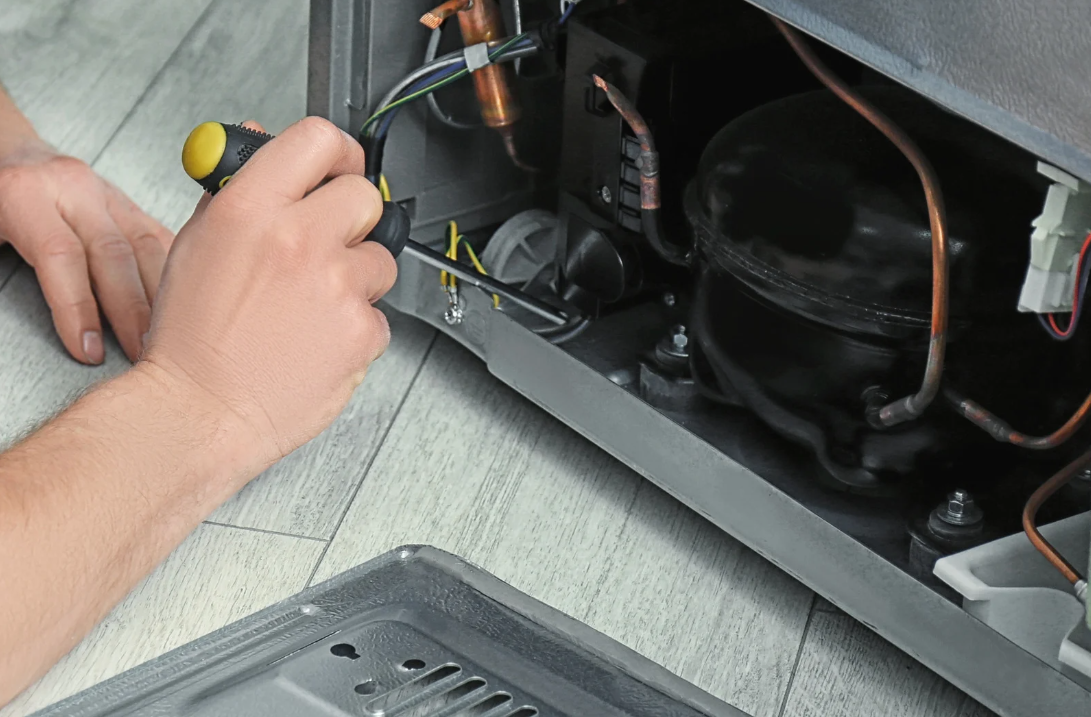
The hidden costs of poor fridge performance
Even before a fridge completely fails, underperformance can quietly eat away at a business. Think about a display fridge that doesn’t keep drinks cold enough, or a storage fridge that fluctuates just a degree or two above safe levels. The result? Drinks no one wants to buy, food that spoils faster than it should, and chefs constantly second-guessing what’s safe to serve.
There’s also the knock-on effect for staff. A fridge that leaks water onto the floor creates slip hazards. One that makes a racket can disrupt the flow of a busy kitchen. And when equipment isn’t reliable, staff end up working around it — wasting time and energy instead of focusing on the job at hand.
The irony is, these “hidden costs” often cause more stress than the obvious repairs. I’ve watched a small sandwich shop in Glebe lose precious prep time every morning because their fridge needed 15 minutes of fiddling before it would hold steady. They only realised how draining it was after upgrading to a dependable unit — the difference in their daily rhythm was night and day.
Final thoughts
At the end of the day, no fridge lasts forever. But in Sydney’s fast-moving food scene, a fridge that holds its temperature and just gets on with the job is worth more than anyone realises.
Keep an ear out for strange noises, don’t ignore water leaks, and sort out small issues before they turn into big ones. A well-kept fridge doesn’t just protect your stock — it keeps your customers safe and your kitchen stress-free.