

If you’ve noticed more neighbours talking about mulching services nearby, you’re not imagining it. Sydney gardeners know: keeping a green, tidy yard here is no easy feat. Whether it’s a stretch of dry weeks or a storm that leaves everything soggy, local conditions are tough. It’s no wonder mulching has gone from optional to essential. My own experience? I never realised how much difference a layer of mulch could make until I tried it—fewer weeds, less watering, happier plants. Simple, but not just “chuck down some bark and hope.” There’s a knack to getting it right.
Why mulch? It’s about more than good looks
I’ll admit, I used to think mulch was just for tidying up the garden beds. After seeing what it actually does, I’ve changed my tune. The first time I brought in a pro, the change was real: the soil stayed damp longer, weeds slowed down, and everything just looked fresher.
What does mulch really do?
- - Holds moisture—fewer frantic hose sessions in January
- - Blocks out weeds so you’re not always pulling bindiis
- - Evens out soil temperature (Sydney’s wild swings won’t shock your roots)
- - Slowly breaks down, feeding the soil
- - Protects plant roots from heat and cold
A mate out west told me his backyard bounced back quicker after heatwaves, just because he kept up the mulch. Less water, more growth, and a garden that survives even if you’re away for a week or two.
Mulch isn’t just mulch: Picking the right type
Not all mulches are created equal. When I started, I’d buy whatever was on special. Sometimes it worked, sometimes not so much. The pros know how to match mulch to your garden—no one-size-fits-all.
A few basics:
- - Pine bark: Lasts ages, neat look, but don’t mix it into veggie patches—it’ll steal nitrogen
- - Sugar cane or pea straw: Breaks down quickly, adds nutrients, top pick for edibles
- - Hardwood chip: Best for paths or spots where you want mulch to hang around, but can mat down if too thick
- - Eucalyptus mulch: Smells great, deters some pests, but check which plants actually like it
I learned to ask local suppliers what works in my suburb’s soil and sunlight. That way, you get results, not just good intentions.
Rules and regs: Don’t get caught out
It surprised me too, but Sydney and NSW have real rules for mulch—especially if you’re bringing in bulk loads or using recycled materials. I found out when a neighbour had to cart away a full truck of the wrong stuff. Turns out, contaminated mulch can cause all sorts of drama for your garden, your pets, and even the local council.
It’s all spelled out in the mulch and compost regulations. Certified mulch is your best bet—safe for home gardens, and no risk of mystery weeds or plastics.
What to check:
- - Only use mulch from trusted, certified sources
- - Give it a sniff—odd smells often mean trouble
- - Ask for paperwork if you’re ordering a big delivery
It’s worth a quick call or web search to check your council’s stance—regulations are there for a reason, and getting caught out costs more in the long run.
DIY or pro? My two cents
Nothing wrong with a DIY mulch session—done plenty myself. But after a few weekends hauling, shovelling, and still missing bits, I saw why folks pay for mulching services nearby. Professionals bring the know-how and the gear, which means even coverage, the right thickness, and a job done in hours, not days.
Here’s how I see it:
- - DIY: Cheaper if you’ve got the time, but heavy work and easy to get wrong (either too thick or too patchy)
- - Pro: Quicker, tidier, and you don’t end up with a sore back. Plus, they know the products and often clean up after themselves.
One local crew finished my front and back yards in a morning—what would have taken me the whole weekend.
The bigger payoff: Benefits of garden mulching
Some people still ask if mulch is worth the spend. The answer’s in the results: less work, less water, better soil, happier plants. But there’s more. The benefits of garden mulching aren’t just about what you see.
You also get:
- - Healthier roots, especially during Sydney’s temperature swings
- - Soil that’s easier to dig (no more fighting concrete-hard beds)
- - Fewer bugs and diseases moving in
- - Faster recovery after harsh weather
- - Cheaper water bills (handy when rates are only going up)
It’s not just for the green thumbs, either. Mulch makes a yard look finished—clean edges, neat beds. If you ever sell, it’s one of those little touches that adds real appeal.
Mulch options: Go organic for more than looks
You’ve got choices: organic, inorganic, even “living” mulch (yep, that’s a thing). Knowing your organic mulch types helps you get more from each season.
- - Organic: Straw, bark, leaf litter—break down over time and feed the soil
- - Inorganic: Gravel, pebbles, rubber—lasts forever but doesn’t help your plants much
- - Living: Low-growing plants that keep the soil cool and weeds out
Mix and match. I add straw to my veg patch, bark to the ornamentals, and gravel to the side path. Each bit of the yard gets what it needs.
Mistakes to dodge: From one Sydney gardener to another
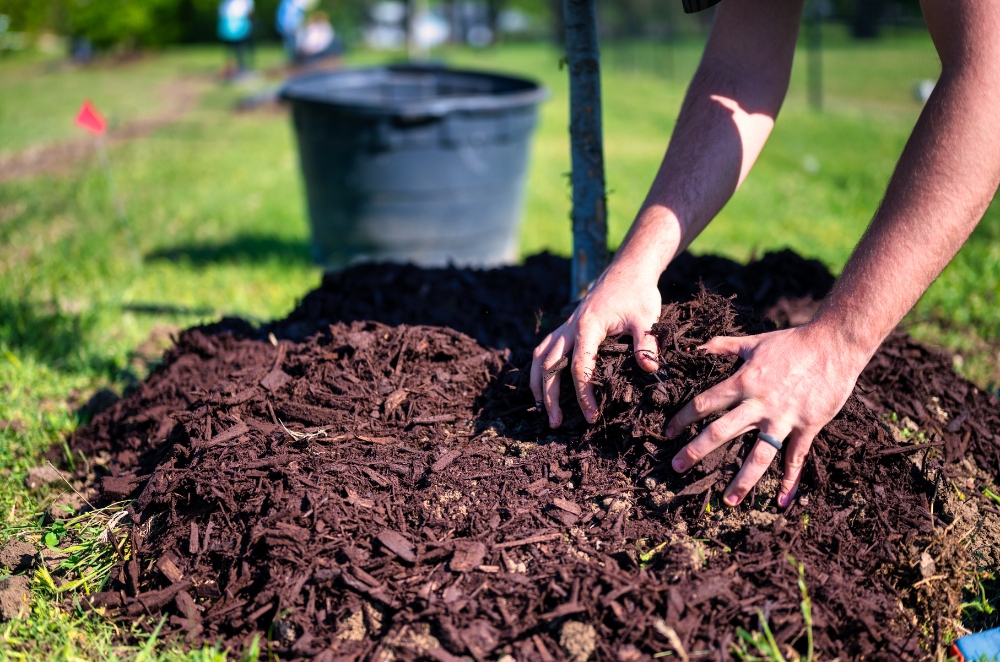
Look, I’ve made plenty of mulch mistakes. Too thin, and the weeds win. Too thick, and rain barely gets through. The wrong product? That’s how you end up with slime or fungus you never wanted.
Quick tips:
- - Ask about source—no one wants surprise seeds or trash
- - 5–7cm deep is the sweet spot for most garden beds
- - Don’t bury stems or trunks—leave a gap to avoid rot
- - Check after storms; Sydney rain can move mulch in a hurry
And remember: mulch isn’t set-and-forget. Check back a few times a year, rake it over, and top up when you need to.
Sustainability: Mulch helps beyond your fence
Mulching’s not just about your patch. It cuts water use, keeps green waste out of landfills, and builds better soil for years ahead. If possible, consider local or recycled products. Even raked-up autumn leaves help. Every bit makes Sydney greener (and keeps your garden bills down).
Final thoughts
Professional mulching is one of those upgrades you don’t regret—less work, more results, and real savings in time and water. Whether you tackle it solo or call in the pros, knowing what to use, how deep to go, and where to source your mulch makes all the difference. Get it right, and you’ll see the payoff every time you step out the back.