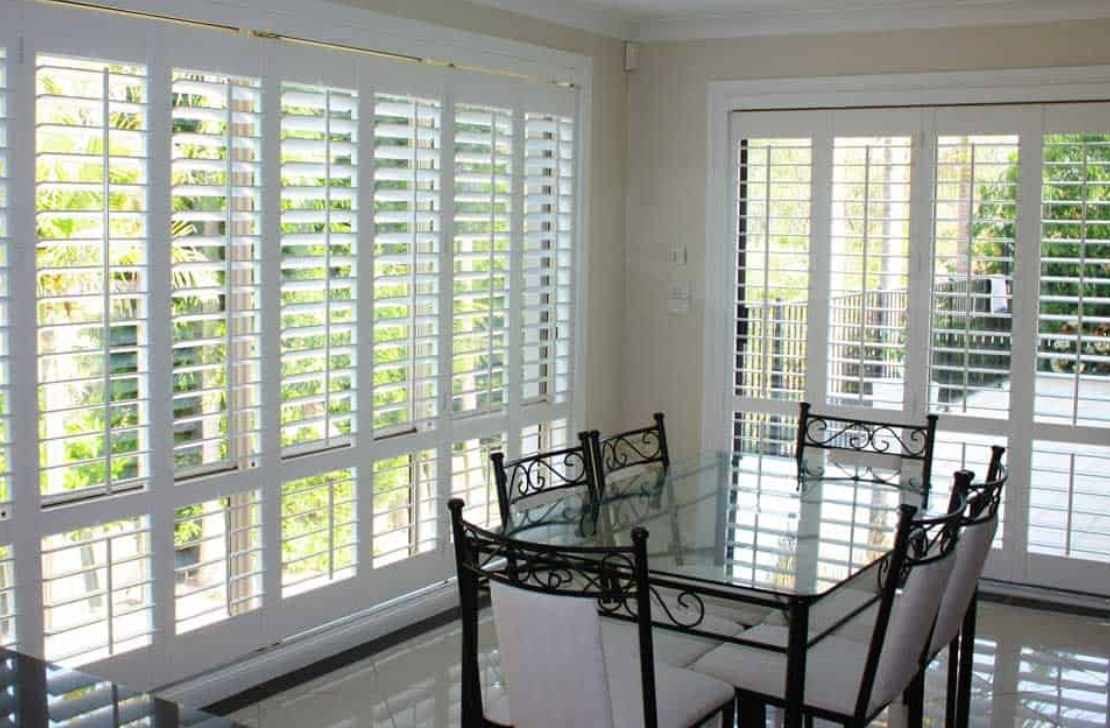
Have you ever noticed how some homes just feel right the moment you walk in? I reckon a big part of that comes down to what’s framing the windows. Over the years, I’ve seen all sorts of setups, but nothing quite matches the look and feel of timber plantation shutters when they’re done well. It’s not just a style thing—they let in the breeze, block the harsh sun, and somehow make a room feel instantly lived-in, whether you’re in a coastal Queenslander or an old red-brick in the suburbs. I’ve tried other options, but there’s something about timber that’s hard to beat, even with all the new materials on the market. Still, with PVC shutters becoming more popular these days, I started wondering if timber was always the best call. Turns out, there’s a bit more to this choice than most people think.
Understanding window shutter materials and their impact
If you’ve ever felt stuck staring at samples in a hardware store, you’re not alone. Timber and PVC both sound good on paper, but living with them is another story. Timber tends to have this lived-in warmth, a bit like old floorboards or a well-loved dining table. It just settles into a space. PVC, though, shrugs off moisture—no worries about steamy bathrooms or sea air, and the upkeep is almost zero.
- Timber gives a natural feel that works for both classic and modern houses.
- PVC stands up to splashes, steamy showers, and summer storms.
- DIY install? It’s possible, but timber can be less forgiving if you’re off by a millimetre.
- Each type deals with wear and tear in its own way, and your lifestyle does play a part.
I’ve seen both fail and both shine—it depends on where you put them and how much effort you want to put in.
Acoustic benefits: reducing noise inside your home
There was a time I lived right above a bus stop. You’d be surprised how much difference a solid shutter makes when the morning buses start rolling through. Even the dog seemed less jumpy. Timber plantation shutters really did help muffle the outside world, and on humid days, it was the one thing that let me get a bit of extra sleep.
- Timber dampens outside noise better in older, draughty homes.
- Both timber and PVC shut out the worst of the city sounds.
- A good fit means less rattling when the wind picks up.
- Not a total fix, but it sure beats thin curtains.
Safety and compliance in Australian homes
If you’ve ever shared your space with curious little hands or the family cat, you know window coverings need to do more than just look good. These days, more people I know are thinking about child safe window coverings because it’s honestly not worth risking those unexpected accidents. It’s become second nature now to check how every shutter or blind is fitted, making sure cords are out of reach and nothing’s left swinging where it shouldn’t be.
- Cordless designs are increasingly the norm, taking away one less thing to worry about.
- New safety standards mean installers take extra care on every job.
- Clever shutter placement can make a real difference in busy family homes.
- Most suppliers are up to date with current safety advice and options.
Personal story: when things don’t go to plan
There’s always that one job that doesn’t go the way you pictured it. My mate Dave decided to DIY his shutters in the middle of summer—tools everywhere, windows out, measuring tape lost twice. He got there in the end, but not before a few mismatched panels and a phone call or two to a pro for advice. We still laugh about it, but it’s a good reminder: sometimes shortcuts just add time.
Since then, we both double-check instructions and don’t rush—makes for a smoother install (and better friendships).
Light control: creating the right ambience for every room
Ever tried to watch footy with the sun in your eyes? Not much fun. That’s where shutters make a world of difference. Adjust the louvres and, just like that, you’re sorted for glare or a bit of privacy—no fussing with chains or tangled cords.
- Tilt for soft light in the arvo, shut tight for sleep-ins.
- Keeps things private without making rooms feel boxed in.
- Great for home offices—less screen glare, better focus.
- One small adjustment changes the whole mood.
Not every upgrade is this simple, but this is one that actually works.
Installation considerations: DIY or professional?
I’ve always enjoyed a hands-on project, but I’ll be honest, installing plantation shutters step by step can be a bit more involved than it first looks. My first attempt wasn’t perfect, but once you get the hang of measuring, drilling, and lining things up, it’s actually pretty satisfying. Still, if you’re the type who likes a neat finish, taking it slow makes all the difference.
- Triple-checking measurements helps avoid headaches later.
- Dry-fitting each panel saves a lot of hassle before locking anything in.
- Make sure everything opens and closes properly before packing up.
- Sturdy hardware is a must, especially with kids or pets running around.
Sometimes, I’ll still call in a pro for the tricky windows, but there’s something rewarding about seeing the finished result when you’ve tackled the job yourself.
Style, climate, and choosing the right shutter
Australia’s weather throws just about everything at our homes, from muggy coastal air to dry, baking heat in the suburbs. Over the years, I’ve picked up a few tips on what works and what doesn’t. For anyone living in the city, the search for the best shutters for Sydney homes often comes down to what will last and still look sharp when the afternoon sun hits. Timber suits those older terraces with their character-filled rooms, while PVC seems to handle humidity without a fuss in more modern apartments. What really matters is matching your choice to your space and how you actually live day to day.
- Timber brings that classic warmth, especially in period homes.
- PVC’s a winner for bathrooms and kitchens that see more moisture.
- Colour and finish can completely change a room’s feel.
- The right pick is the one you won’t have to second-guess every season.
Final thoughts
No two homes are quite the same, and there’s no universal answer here. I’ve stuffed up plenty of DIY jobs, changed my mind, and listened to all sorts of advice from people with more experience. But the truth is, both timber and PVC have their place in Australian homes. Sometimes it comes down to what you can look after, sometimes it’s about what just feels right. Either way, choosing well makes a bigger difference than you’d think. Trust your gut—and maybe call in a mate for the install.