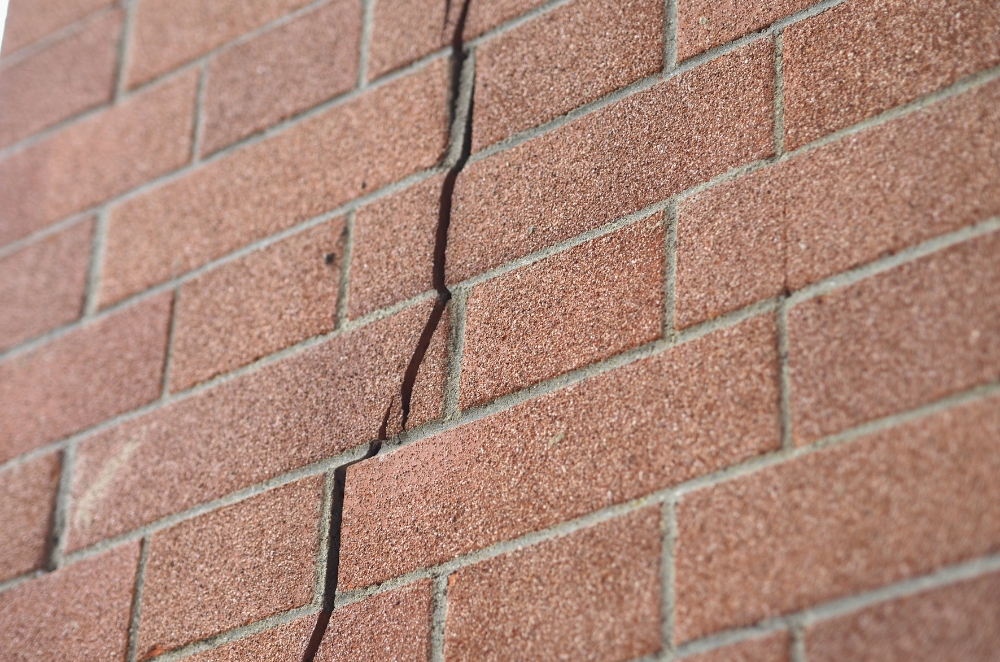
It starts as a thin line—maybe near a window, or stretching diagonally from a corner. At first, you think it’s just old age. But weeks later, it’s longer. Deeper. Maybe even letting in water.
I’ve been called in to look at “harmless hairline cracks” that turned out to be major structural issues in the making. If you’ve spotted one on your property, don’t panic—but don’t ignore it either.
In this guide, we’ll walk through what causes brick wall cracks, how to tell the difference between cosmetic and serious ones, and why calling a trusted wall crack repair service could save you thousands down the track.
Why do brick walls crack?
Bricks are strong, but they’re not immune to movement. Cracks happen when pressure builds and materials shift. Sometimes that movement is normal. Other times, it’s a red flag.
Here are the most common causes:
- Foundation settling – All buildings move slightly over time, but poor soil or compaction issues can cause uneven settling.
- Moisture changes – Expanding and contracting soil beneath your home puts stress on the structure.
- Tree roots – Nearby trees can dry out the soil and pull moisture away from foundations.
- Temperature extremes – Thermal expansion from Australia’s heat can create cracking over time.
- Poor workmanship – If mortar or footings were rushed or poorly mixed, cracks show up fast.
- Structural stress – From renovations, added storeys, or even nearby construction vibrations.
What kind of crack are you looking at?
Not all cracks are created equal. Here's a general guide I use during inspections:
- Hairline cracks (<1mm wide)
Usually cosmetic. Common in older brickwork or rendered finishes. Still worth monitoring.
- Vertical cracks
Often caused by settling. If they’re straight and narrow, they’re typically minor, but watch for changes.
- Horizontal cracks
More serious. These can indicate wall bowing or lateral pressure from soil or water buildup.
- Step cracks
These follow the mortar line like a staircase. These can be signs of foundation movement or subsidence.
- Wide or growing cracks (>5mm)
Potential structural concern. Should be looked at ASAP, especially if accompanied by other signs like sticking doors or sloping floors.
Is it just cosmetic, or something worse?
Here’s what I tell homeowners: cracks are like coughs. Some go away on their own. Others signal something deeper.
You should be concerned if:
- The crack is widening over time
- You see daylight through it
- Water is leaking in
- It runs across multiple surfaces (e.g. brick and plaster)
- Other issues appear: jammed doors, warped windows, sagging floors
In these cases, a professional assessment isn’t optional; it’s critical. There’s a solid explainer on building movement and cracks from the NSW Government that outlines when movement becomes a structural risk.
DIY fixes: where to draw the line
I’ve seen plenty of homeowners patch a crack with render or silicone, only for it to return within months, worse than before.
Here’s when you can safely DIY:
- Small hairline cracks in the render only
- Cracks that haven’t changed in size for over a year
- Cosmetic blemishes with no underlying movement
Use proper materials, flexible fillers, or crack stitch kits for brick, and monitor them regularly.
But if the crack is more than 3mm, growing, or shows signs of movement? Don’t touch it. You risk masking a serious issue that could end up costing more.
When to call a professional
If you’re dealing with any of the following, skip the patch and call in a wall crack repair service:
- Cracks over doorways or windows
- Cracks wider than 5mm
- Multiple cracks are forming at once
- Cracks that change shape or length quickly
- Water infiltration or damp patches nearby
An expert can assess whether it’s a structural issue or just movement, and offer targeted repair options, like helical stitching, wall tie replacement, or underpinning if needed.
What to expect during a repair job
Most reputable repair services will start with an inspection. They’ll check:
- Crack type and pattern
- Moisture levels
- Foundation condition
- Internal and external wall alignment
From there, the repair might involve:
- Repointing mortar
- Replacing damaged bricks
- Installing steel reinforcement bars
- Injecting epoxy or grout for structural support
- Rendering the surface for weather protection
In my experience, the earlier you act, the simpler (and cheaper) the job.
Preventing future cracks
Some cracks are inevitable, especially in older homes. But you can reduce the chances of serious ones by:
- Maintaining proper drainage away from your foundation
- Avoiding large trees too close to the house
- Using expansion joints in long brick walls
- Regularly cleaning and inspecting weep holes
- Fixing minor issues before they become big ones
A regular routine of minor upkeep goes a long way. Check out this resource on brick wall maintenance tips to stay ahead of the curve.
What about insurance?
Here’s the kicker—most building insurance won’t cover pre-existing cracks or damage due to poor maintenance. If your wall suddenly splits during an earthquake or flood, that’s one thing. But if it’s been growing for a year and ignored? You might be on your own.
So what do I suggest?
- Document the crack with photos
- Keep a record of repairs or inspections
- Talk to your insurer early if you're unsure
- Don’t wait until the crack becomes obvious to everyone
Final thoughts
Brick wall cracks might look harmless, but they’re often more than skin deep. Knowing when to act—and who to call—can mean the difference between a simple fix and a serious structural problem.
If you spot something unusual, don’t leave it for “later.” Get an expert opinion from a trusted wall crack repair expert. Because in my experience, cracks never fix themselves.
And one quiet line today? Might be the sound of trouble knocking tomorrow.