We tend to overlook things that don’t scream for attention, and roof problems are a prime example. They often start small. A bit of cracking around a tile. Something's off with a ridge cap. Easy to ignore when you’ve got other things going on.
In my case, it was a faint water stain in the hallway. Not too dramatic at first. I chalked it up to a one-off — maybe condensation or just bad luck. But weeks later, the ceiling sagged slightly, and that’s when I realised I’d waited too long.
The thing is, once water finds its way in, it rarely stops. And if you’re not up there checking regularly, you’re probably missing something. That’s why having a roofing contractor you trust is more than just ticking off a to-do list. It’s about having eyes on the parts of your home you can’t easily reach — and knowing someone’s got your back before the damage shows up inside.
Why minor roof damage never stays minor
Most of the time, a small issue isn’t really small — it’s just the first sign of a bigger problem waiting to unfold. Roofs age. Weather happens. And all it takes is a bit of loosened flashing or one slipped tile to start a chain reaction you don’t see coming.
- Timber in the ceiling space soaks up moisture and weakens
- Insulation gets soggy and stops doing its job
- Paint starts to bubble or flake near the corners of rooms
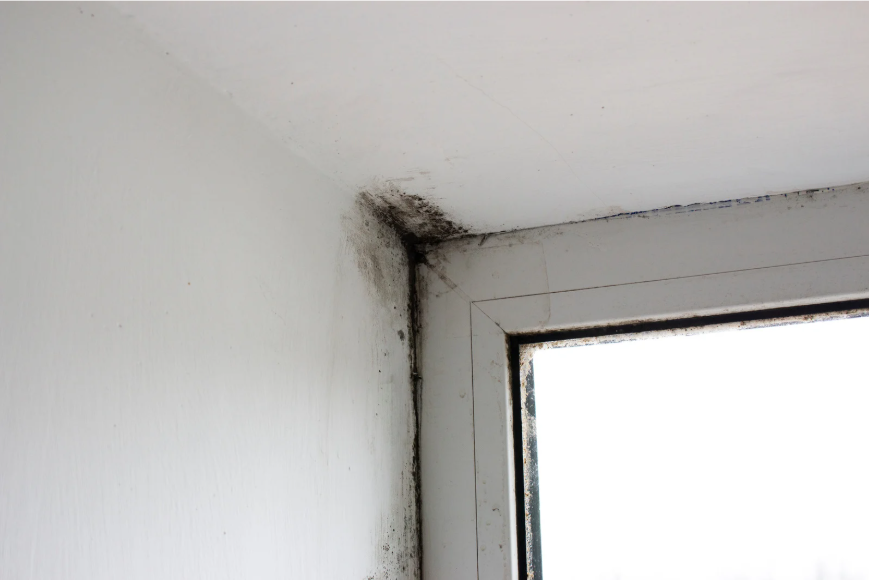
- Mould spreads behind plasterboard, quietly and steadily
By the time you notice something inside, the real problem has often been festering for weeks — even months. And once it’s past a certain point, patching isn’t enough.
The link between poor maintenance and insurance risk
This one catches people off guard. You assume that insurance will handle the damage if a storm rolls through or something unexpected hits your home. And sure, sometimes it does — but not if there’s a history of wear and neglect.
There’s a reason the government keeps stressing the importance of repairs and maintenance for Aussie homes. It’s not just about looks or property value — it’s a condition for staying covered. A cracked tile left unfixed? That could be seen as negligence. And if water has been leaking in for months before a big storm hits, the insurer might not want to pay for the fallout.
Policies can be tricky like that. What matters isn’t just what happened, but whether you did your part to keep the place in shape.
What happens inside your home when leaks go unnoticed
Leaks don’t usually start as a flood. They creep. You won’t see puddles forming right away, but the impact starts the moment water makes its way in.
I visited a property where there was barely any visible damage from the outside. The roof looked solid enough. But inside? The roof cavity was damp, and parts of the timber frame were soft to the touch. Turns out, there had been a slow drip near the valley flashing for nearly a year.
Eventually, signs started popping up:
- A faint, musty odour near the hallway
- Dark rings on the ceiling near the cornice
- A slight ripple in the paint above the window
- Flickering lights from moisture near the wiring
None of these screamed “roof emergency” on their own. But together? They pointed to a roof that had been letting water in quietly for far too long.
Missteps that make roof issues worse over time
Not every mistake comes from neglect. Sometimes, it’s just the wrong fix at the wrong time. I’ve seen well-meaning homeowners climb up and try to patch things with silicone or a bit of flashing tape. It buys time, sure — but not much.
Other times, people repaint over ceiling stains without asking where the water came from. That’s like putting a fresh coat of paint on rusted metal. It hides the damage, but doesn’t stop it.
These kinds of missteps can add to the problem:
- Climbing on a brittle tiled roof without proper support
- Covering signs of leaks without checking for mould
- Using short-term sealants in places that need structural repair
- Failing to clear leaf build-up from behind solar panels or chimneys
That’s why it helps to be across proper leaking roof repair tips, not just quick hacks or temporary fixes, but real solutions that consider how water moves, where it hides, and what it affects.
Preventing damage means caring for more than just the roof
There’s a bigger picture here. A well-maintained roof isn’t just about weatherproofing — it impacts the whole living space. Poor ventilation, rising humidity, and insect ingress — these all trace back to compromised roof spaces.
And over time, the visual damage starts to show, too. I once saw an otherwise neat home let down by the state of its roof: faded cement tiles, lichen build-up, patchy discolouration from old repairs. It doesn’t mean the roof’s about to collapse — but it does suggest it’s not being looked after.
In cases like that, people sometimes consider cosmetic work before fixing deeper problems. If aesthetics are part of the plan, knowing how to choose a roof painter who understands both surface prep and structural signs can make the difference between a short-term touch-up and a finish that lasts.
When it's time to act, hesitation can cost you more than comfort
Putting off a roof check is easy, especially when everything looks fine. But roofs don’t always send loud signals. Sometimes, by the time there’s an obvious stain or a trickle of water down the wall, you’re already deep in the damage phase.
I learned that the hard way. And I’ve seen it play out for others, too. The ceiling mark that gets painted over. The loose tile is “not a big deal.” The vent seal shifts just enough to let in water during the wind. These don’t always seem urgent—until they are.
The thing is, no roof stays perfect. Materials age, seals shrink, temperatures shift. What matters is whether you let those small changes build into something that can’t be fixed easily. Most of the time, catching issues early makes for a smoother fix, not because it's cheap or quick, but because it saves your home from further stress.