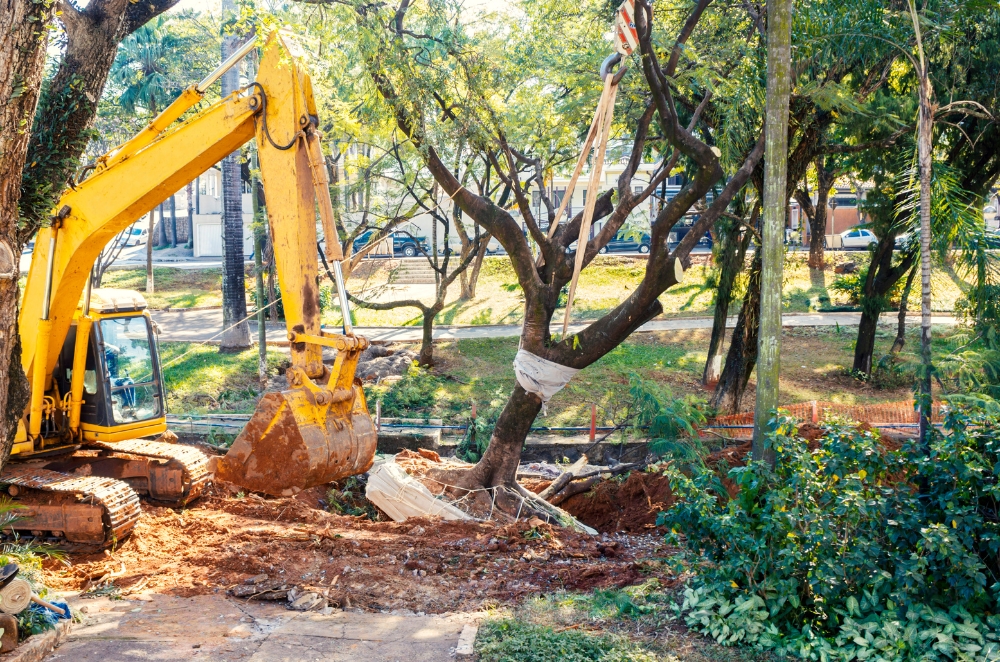
When I first searched for “tree arborists near me”, I assumed it would be as simple as picking someone with a chainsaw and a ute. But one botched pruning job later — which nearly took out my neighbour’s fence — I learned the hard way that credentials and experience matter.
A qualified tree arborist isn’t just someone who knows how to handle a tree. They’re trained professionals with knowledge in tree biology, risk assessment, local regulations, and safe removal techniques. If you’re considering hiring one, here’s what you should expect — and why it matters.
Not just a tree cutter: What an arborist really does
Many people confuse arborists with landscapers or general gardeners. But arborists are more like tree doctors — trained to assess health, diagnose issues, and apply the right treatment.
Here’s what they typically offer:
- Hazard and health assessments
- Tree pruning and crown shaping
- Safe tree and stump removal
- Pest and disease diagnosis
- Tree reports for council approval
- Storm damage and emergency response
A good arborist understands not just how to cut, but why, when, and how much to cut. That difference matters more than most realise.
Why qualifications matter (and what to look for)
In Australia, arborists are generally trained under Certificate III in Arboriculture or higher. That means they’ve been taught:
- Tree physiology and identification
- Climbing and rigging safety
- Chainsaw operation and maintenance
- Tree health diagnostics
- Safe removal techniques for confined spaces
You want someone who not only knows their way around a tree but also follows the correct processes to protect property, people, and the environment.
Ask for:
- AQF Level 3 or higher certification
- Insurance for public liability and personal injury
- Climbing certifications are needed if canopy access is required
- Local knowledge of native trees and council rules
If they can’t supply this, move on.
When to call a professional arborist
Some signs are obvious: a leaning gum tree after a storm or a massive dead branch hanging over your driveway. But there are subtler clues too.
Here’s when you should pick up the phone:
- The tree looks sick – wilting, early leaf drop, fungal growth
- Roots are lifting the soil or cracking the paving
- Branches too close to power lines or structures
- Storm damage, especially in summer
- Preparing for construction near trees
- Council approval is needed for pruning or removal
If you’re unsure, a consultation is often cheap and can prevent more serious issues down the track.
What happens during an arborist visit
The first visit from a qualified arborist usually starts with a walk-through. They’ll inspect the tree, look for health and safety concerns, and give you honest feedback.
Expect them to:
- Ask about the tree's age and history
- Examine soil, drainage, and root conditions
- Check for disease or pest activity
- Recommend pruning, removal, or treatments
- Provide a written report or quote
If the job requires climbing or rigging (e.g. large removals), they’ll explain how access will work and what safety controls they’ll use. In some cases, you’ll also need council consent, which they can often help prepare.
For guidance on local codes and risk management, they’ll usually reference the Australian arboriculture standards, a crucial safety framework in tree work.
Real example: How a routine check saved a driveway
Last year, a neighbour of mine booked a routine inspection after noticing a fig tree growing faster than usual. No obvious damage yet — but the arborist spotted surface root heave near the front path.
A few months later, that path began to crack — and the roots were creeping under the drive. Because they caught it early, they were able to prune and root-bar the area without needing full removal. The tree was preserved, and so was the concrete.
It’s a classic case of why inspections aren’t just for emergencies.
Red flags: What a dodgy arborist looks like
Unfortunately, the industry has its cowboys — people who do fast, cheap jobs with little regard for safety or sustainability.
Watch out for:
- No formal qualifications or insurance
- Refusal to provide written quotes
- Cutting corners like ‘topping’ (an outdated and harmful pruning method)
- No understanding of local council requirements
- Leaving without proper cleanup, stump removal or The Yard tree lopping.
Bad tree work isn’t just ugly — it’s dangerous. Over-pruned or unbalanced trees are more likely to fail in storms. And removal without proper permits can lead to hefty fines.
Why arborist reports matter (especially in Melbourne)
If you’re planning any tree work in Melbourne — especially removal — chances are your local council will ask for an arborist report. These aren’t just admin boxes to tick. They give councils critical info on:
- Tree species and health
- Potential risks or heritage value
- Recommendations for pruning vs removal
- Replanting advice (in some suburbs, this is mandatory)
A qualified arborist will know how to prepare a compliant report. Without it, your permit application may be delayed or rejected entirely.
Not sure how to choose the right expert? Check out this breakdown on how to choose the right arborist in Melbourne.
The value of regular inspections (even if nothing looks wrong)
Trees are slow to show symptoms. A branch that looks fine now could be hollow from the inside. A leaning trunk might be reacting to soil instability or wind damage from months ago.
That’s why a yearly inspection — especially for large, mature trees — is a smart move.
Benefits of regular check-ups include:
- Early detection of disease or pests
- Managing weight balance through pruning
- Monitoring root systems and soil health
- Reducing storm damage risk
- Extending the lifespan of healthy trees
This external guide on the benefits of regular tree inspections offers more insights from arboriculture experts.
Final word: It pays to go pro
If you’re searching for “tree arborists near me”, don’t settle for the cheapest option. A qualified tree arborist will keep your trees safe, your property protected, and your council off your back.
It’s about more than cutting limbs — it’s about knowing which limbs to cut, when, and why. That expertise can save you thousands in future repairs and help your trees thrive for decades.
So, whether you’ve got a dodgy-looking eucalypt out back or just want to avoid surprise damage next storm season, call a pro. Your future self (and your insurance provider) will thank you.