


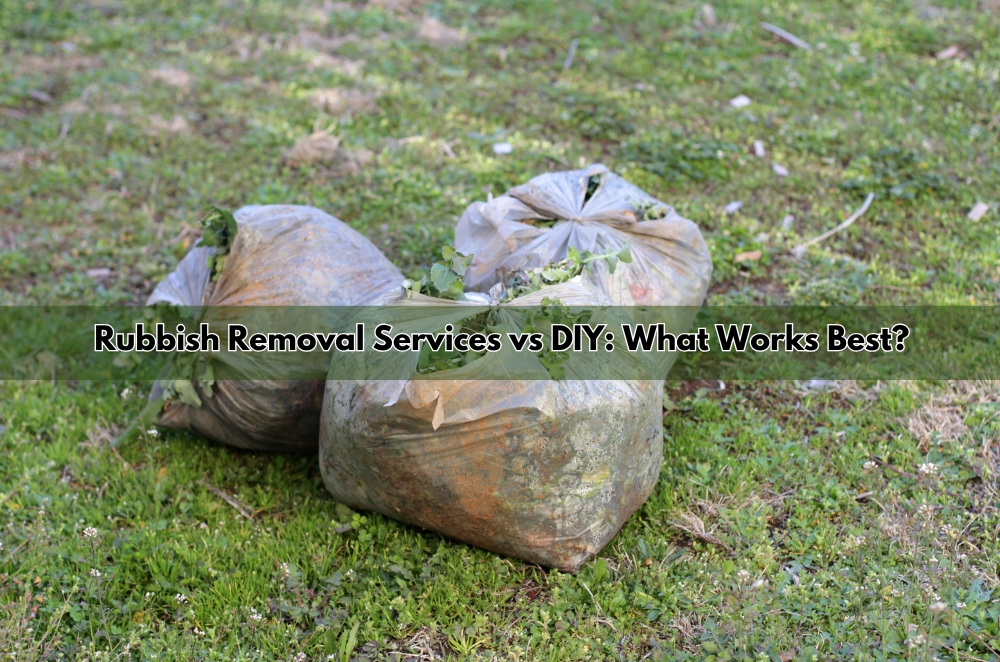
Most of us don’t think twice about rubbish until we’re knee-deep in it. Maybe it’s a kitchen reno gone wrong, an end-of-lease clean-out, or just a garden project that spiralled. Either way, that pile of junk builds up faster than expected, and suddenly you’re asking yourself: do I deal with this myself, or bring in the pros?
I asked myself the same thing after a recent backyard overhaul. I had timber offcuts, broken paving slabs, and a huge amount of green waste. What seemed like a Saturday job ended up stretching into multiple trips to the tip, aching shoulders, and second-guesses about what could even go in the council skip.
In hindsight, booking rubbish removal services would’ve saved me a world of trouble. And that’s the real question — not just “what’s cheaper,” but “what actually works best?”
What you get with rubbish removal services
Professional rubbish removal companies do a lot more than load and go. For starters, they assess your waste — green, household, construction, or even hazardous — and tailor the service to match. That includes bringing the right vehicle, equipment, and crew for efficient collection.
They also take care of:
- Sorting and categorising items properly
- Ensuring everything is disposed of legally
- Recycling where possible
- Navigating tight spaces or access issues
What surprised me most is how much of their value lies in knowing the system. There are strict waste management regulations in place across Australia. These rules dictate how you must dispose of everything from e-waste and batteries to soil and tiles. Get it wrong, and you could be facing steep fines — or worse, unintentionally polluting your local area.
When DIY makes sense (and when it seriously doesn't)
Let’s be honest: not every rubbish job calls for outside help. If you're doing a minor garage declutter or trimming a few hedges, you might already have the tools and time to get it sorted.
But that line between “doable” and “disaster” can be thin. Here's where DIY often backfires:
- Heavy, bulky waste (think concrete, mattresses, old fencing)
- Mixed rubbish types (green, general, and hazardous all together)
- No trailer, ute, or nearby tip
- Limited time or physical capability
To make the decision clearer, here’s a quick comparison between DIY and hiring a rubbish removal service:
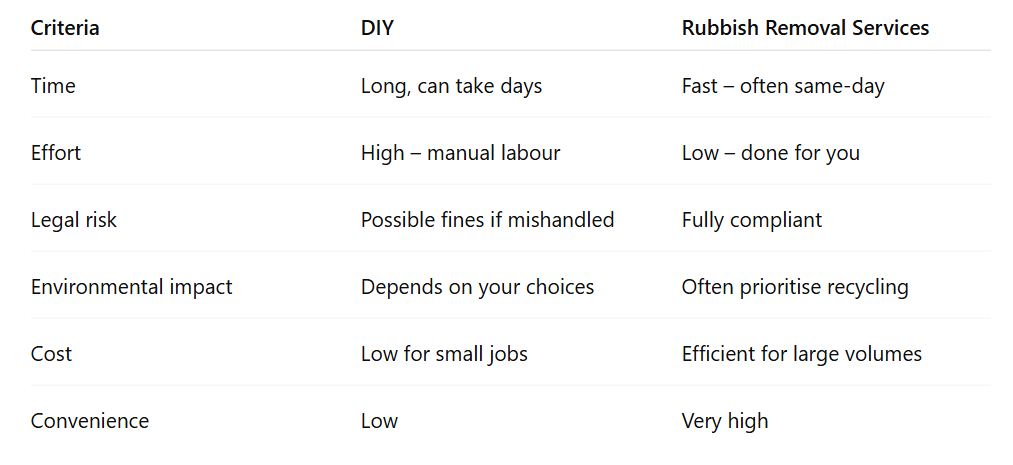
In my own case, I once helped a mate clear an old rental property. Three skips, sore backs, and two Saturdays later, we both agreed we should’ve booked professionals. It wasn’t just the muscle — it was the mess, the miscommunication, and the unexpected dump fees that made us rethink the DIY approach entirely.
The environmental angle we often overlook
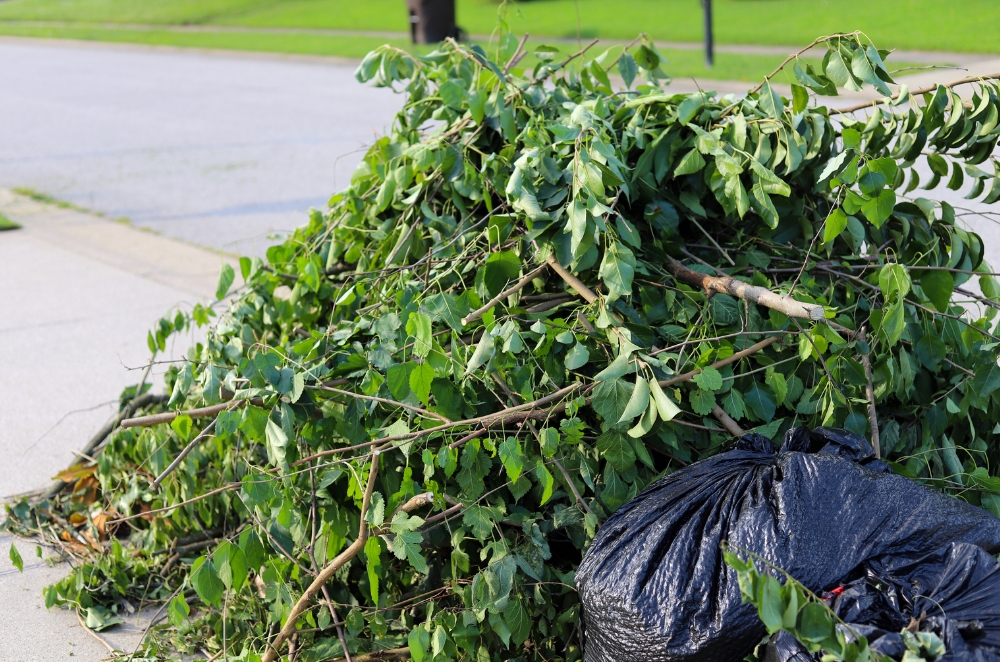
When rubbish removal becomes just about “getting rid of it,” we risk missing the bigger picture. Every piece of junk we throw away has a footprint, and where it ends up matters.
DIY disposal can sometimes mean everything gets lumped together and carted off to the landfill. But responsible rubbish removal sorts waste for recycling, donation, or eco-conscious disposal. Many even work with repurposing facilities or community organisations to keep materials out of landfill.
This isn't just about waste — it connects to broader sustainability goals. Just like thoughtful landscaping choices can enhance biodiversity and water use, proper disposal supports urban sustainability. That’s where landscaping and sustainability become more than a buzz phrase — it’s a practical way to live lighter.
Risks of getting it wrong
It’s easy to underestimate the legal and environmental risks of handling rubbish yourself. Local councils enforce strict dumping rules, and heavy penalties apply for incorrect disposal, especially when it comes to asbestos, chemicals, and construction debris.
Even green waste — often seen as harmless — can’t just be dumped anywhere. Dumping it in bushland or down drains not only spreads weeds but also harms native ecosystems. There’s a reason waste management regulations exist — and professional providers are trained to follow them.
So while it might seem easy to "just get rid of it," the risks of doing it wrong aren’t worth the gamble.
What to look for in a good service provider
Not all rubbish removal companies are created equal. Here’s what to check before you book:
- Licensing and insurance: Make sure they’re covered and compliant.
- Clear pricing: Avoid vague estimates — look for upfront quotes.
- Recycling partnerships: Ask where your rubbish goes.
- Same-day service: This is often essential for time-sensitive jobs.
Some providers even offer clean-up or sweep-down services as part of the job, which can be incredibly handy if you’re juggling other property maintenance tasks. Pairing it with a landscaping project? Be sure to check out garden clean-up tips to help reduce future waste and keep your space looking sharp.
Final thoughts: It’s not just rubbish — it’s peace of mind
So, what works best — DIY or hiring a rubbish removal service? It comes down to three critical factors: scale, time, and risk. If you’re clearing out a few bags of garden waste or decluttering a small space, and you have a trailer, tip access, and a free weekend, the DIY route might work well. However, once the job involves bulky items, mixed rubbish types, or tight timeframes — such as moving out, post-renovation clean-ups, or dealing with restricted council rules — the scales tip heavily in favor of booking a professional service. It’s not just about the physical effort; it’s about reducing liability, protecting the environment, and saving yourself from costly mistakes. Rubbish removal teams handle compliance, logistics, and clean-up in one go, leaving you with peace of mind and a job well done. When you consider the time, effort, and stress you save, the cost is more than justified. In the end, it’s not just rubbish — it’s your time, energy, and sanity.