The ability to record and reproduce sound is something we take for granted today. Music follows us everywhere, from smartphones to streaming services, available at a moment’s notice. Yet, not so long ago, sound was as fleeting as a breath of wind—gone as soon as it was spoken or played. The idea of capturing it, preserving it for future generations, was as radical in the 19th century as the concept of flight before the Wright brothers.
Acoustic science had been evolving for centuries. Ancient civilizations understood resonance and harmony. The Greeks experimented with soundwaves, and the Chinese built intricate musical instruments. But the leap from understanding sound to physically recording it required more than just knowledge—it required a shift in thinking. What if sound could be preserved just like a photograph? What if a moment in time could be played back at will?
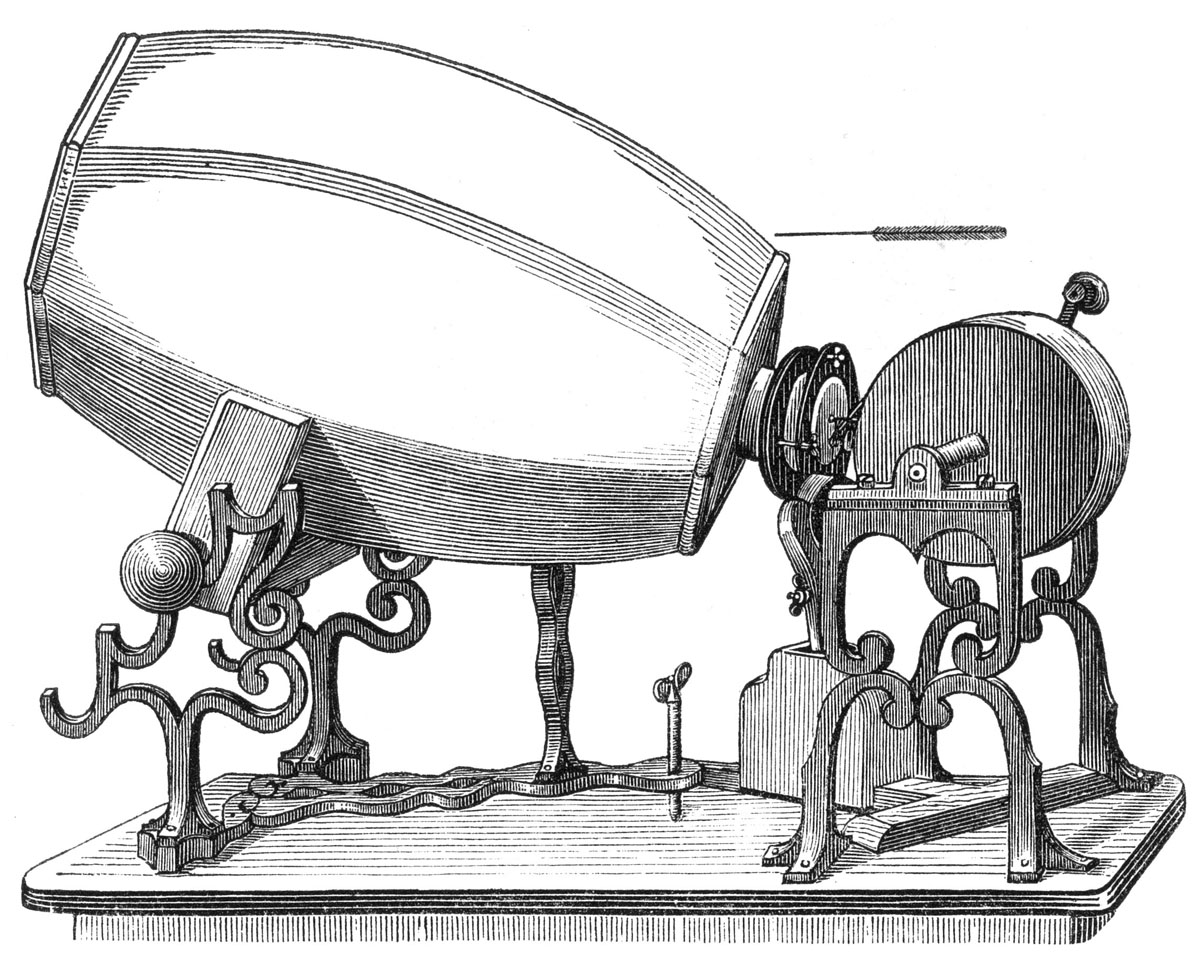
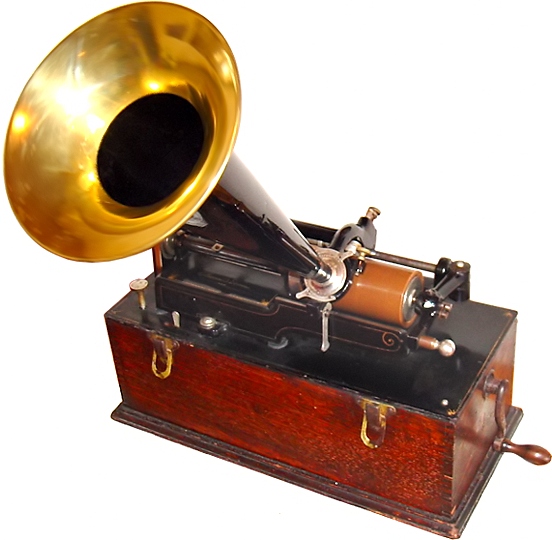
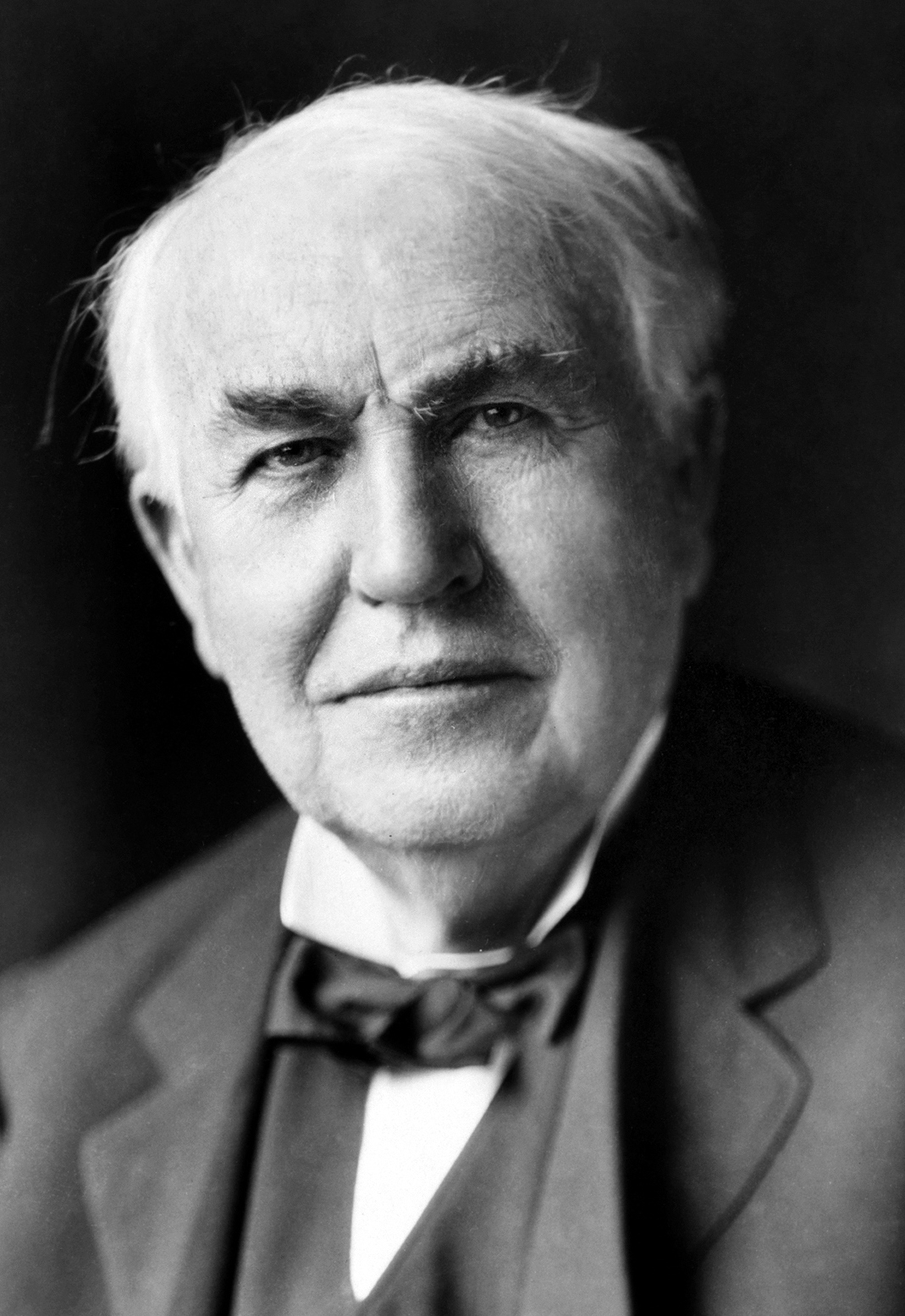
This was the challenge Thomas Edison took upon himself when he introduced the phonograph in 1877. But let us step into his shoes a decade later, in 1887, as he contemplates the future of his invention.
Menlo Park, 1887 – Edison’s Reflections
The steady hum of the electric motor fills the room as the wax cylinder spins smoothly. The needle glides over its grooves, tracing the invisible etchings of a voice—a voice from the past, captured in time. This is more than just a machine; it is the promise of immortality.
Edison leans over his workbench, fingers tapping idly on the polished wood. He has come far from his first phonograph, the one with tinfoil sheets that crumpled and degraded after a few plays. Now, with wax-coated cylinders, the sound is clearer, purer, though not yet perfect.
"What will become of this invention?" he wonders.
Until now, his phonograph has been seen mostly as a novelty, a tool for dictation, or a means of preserving spoken words. But what about music? Could entire orchestras be captured and played back, making music available to all, not just those wealthy enough to attend concerts?
Could this machine, once seen as an oddity, become a central part of daily life?
He envisions a future where every home has a phonograph. Where children listen to bedtime stories told by distant relatives. Where lovers hear each other’s voices despite miles between them. Where history itself is preserved not in fading ink but in the very tones and timbres of those who lived it.
And yet, something unsettles him. If music can be played at the press of a button, will it still hold the same value? If a melody is no longer a fleeting experience, but something that can be repeated endlessly, will people still cherish it as they once did?
Technology has a way of changing human nature. Just as the electric light banished the night, the phonograph might change the way people perceive sound. Will we gain more than we lose?
Looking Back, Looking Forward
Edison’s musings, fictional as they may be, turned out to be remarkably prescient. His phonograph laid the groundwork for an entire industry—the music industry as we know it today. Vinyl records, radio broadcasts, CDs, MP3s, streaming platforms—all of them can trace their lineage back to that spinning wax cylinder in Menlo Park.
But was Edison right to worry? Did making music so easily accessible diminish its value?
One hundred years ago, listening to a song was an event. A family might gather around a record player, savoring each note, because music wasn’t infinite—it was precious. Today, we have more music at our fingertips than we could listen to in a lifetime. Has abundance dulled our appreciation?
Or has it done the opposite? Has the democratization of sound unleashed creativity, allowing more voices to be heard than ever before? Would we trade the vast ocean of music available today for the exclusivity of the past?
Edison’s phonograph changed the world. The question is—did it change us for the better?