“Many people believe they can think if they only rearrange their prejudices."
We are experiencing a wave of aggressive platforming: Networks that stage themselves as 'alternative spaces', often claiming to be freer, more open or more truthful than that in order to reach people who want to distance themselves from the mainstream. Many believe they are better informed as a result - but often they just end up in a different camp that uses the same mechanisms as the one they fled from. The difference? We are familiar with the old narratives. The new ones are only just developing their dynamic - uncontrollable, algorithmically amplified and emotionally charged.
Theodor W. Adorno would probably have seen this development as a continuation of his criticism of the culture industry: A system that pretends to enlighten, but ultimately only generates new forms of thought control.“Stupidity is a stigma of history.” - and perhaps more algorithmically organized today than ever before.
“Stupidity is a stigma of history.” - and perhaps more algorithmically organized today than ever before.
Narratives are convenient. They provide simple explanations for complex relationships - especially in digital spaces where algorithmic amplification does not serve diversity, but polarization. The major platforms - whether old or new - often promote precisely those opinions that sound the loudest, most outraged or simplest. Discussions degenerate into an echo chamber, confirmation counts more than critical differentiation. You can see it in politics (right-wing vs. left-wing movements), in the digital space - and in the crypto market, where Bitcoin fanaticism often has more to do with religious belief than rational analysis.
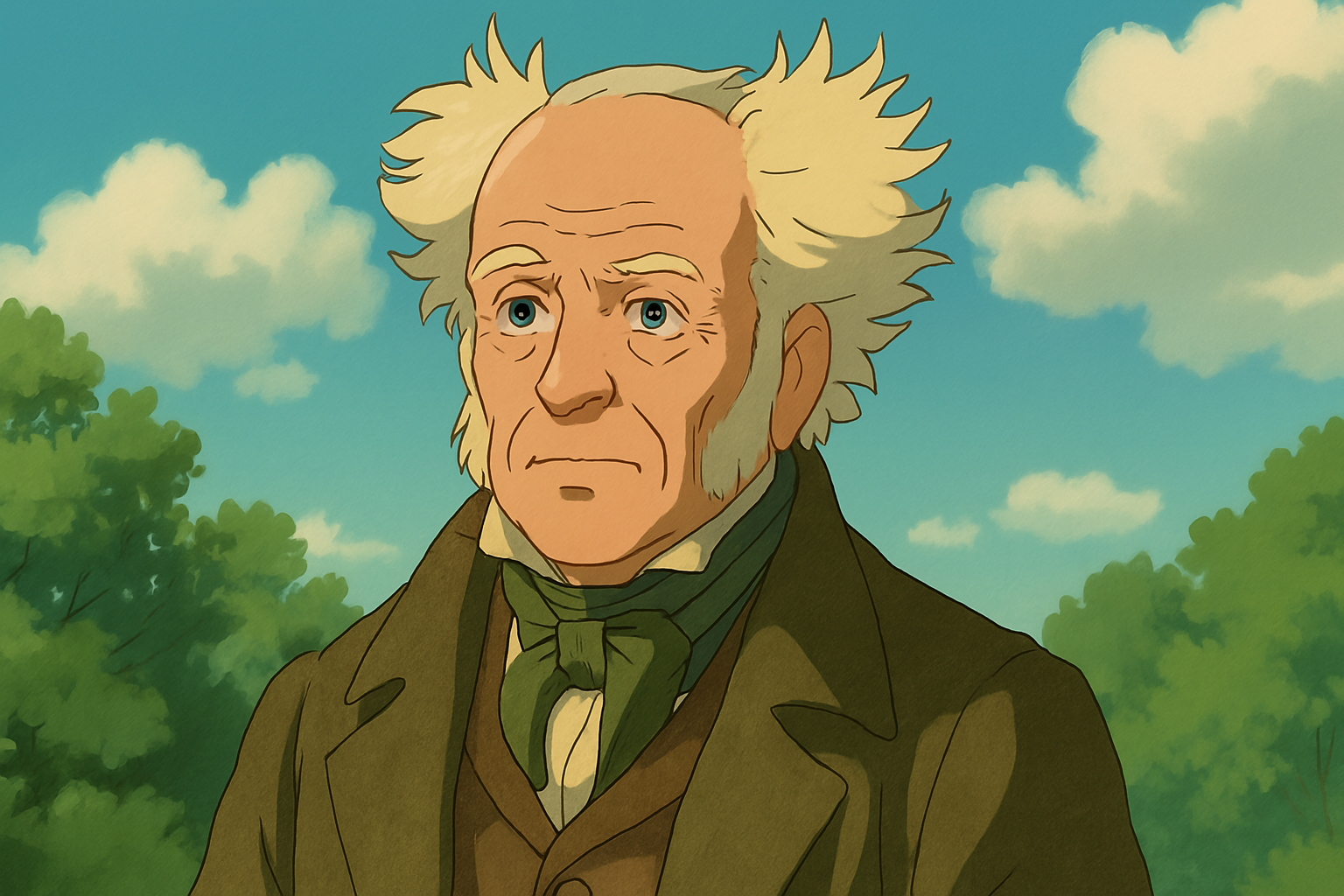
Schopenhauer and the thinking of the masses
Arthur Schopenhauer saw that coming:
“There are only a few who think, but everyone wants to have a say.”
For Schopenhauer, it was clear: people would rather retreat into ready-made opinions than face the effort of genuine thinking. A current example? The crypto debates — especially the unreflective Bitcoin fanaticism, where technological dogmas are treated like articles of faith. Opinion without thinking — very much Schopenhauer’s domain.
But this isn’t limited to the crypto space. Whether it’s political discourse, identity conflicts, or economic ideologies — wherever people dig in behind prepackaged positions, belief replaces thought. Crypto just happens to appear here because, as the author, I’m currently deeply immersed in that field — it's illustrative, not exclusive.
The fear of freedom
In “The Fear of Freedom”, Erich Fromm described automatic conformism: people relinquish their own responsibility for thinking because it is more convenient to be led. This is exactly what we see today in polarizing movements on both the left and the right - keyword horseshoe theory - where both sides increasingly feed on entrenched narratives that prevent rather than promote critical thinking.Mind check: Are you really free in your head?
How to Think Without Locking Yourself In
Some fight so fiercely for their opinion that they don't realize how deeply they've bricked themselves in. Maybe real strength doesn't lie in holding tight — but in letting thoughts flow freely.
The Chinese philosopher Laozi once said:
Nothing is softer than water. Yet it overcomes everything hard.
In a world full of ideological concrete walls, we need more minds that think like water: flexible, clear, unstoppable — not because they push, but because they find their way. Those who move with mental fluidity stay open without losing themselves — and break through rigidity without breaking.
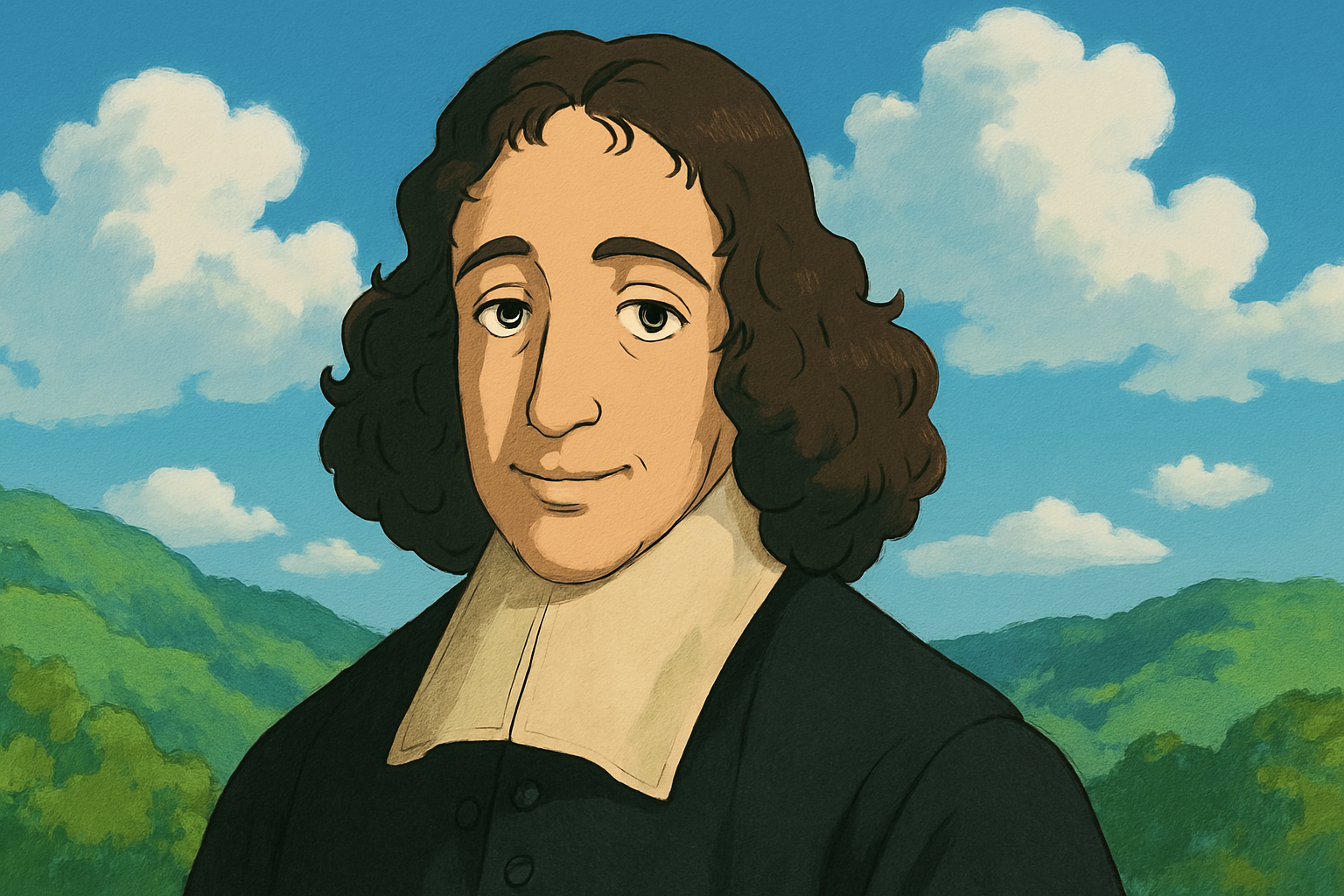
Spinoza and the Freedom from Belief
Baruch de Spinoza, one of the most radical thinkers of the Enlightenment, saw true freedom not in holding an opinion, but in gaining insight. For him, it was clear: as long as we don’t understand our convictions, they own us — not the other way around.
People consider something to be true because they believe it — not because it actually is.
Spinoza shows that most of our views aren’t the result of reason, but of emotions, impulses, fears. They may feel like truth — but they’re often just reactions.
Real intellectual freedom begins where we stop defending our opinions and start analyzing them. Where we ask: Why do I believe this? Where does this image in my mind come from? And who benefits from me holding on to it?
The more you live through reason, the more you will differ from the opinions of the crowd.
Thinking won’t set you free immediately — but it will make you independent. And that’s the real challenge: not being right — but being free.
Mind check: Are you really free in your head?
🔍 Have you really formed your own opinion or have you just adopted it?
🧠 Can you argue the opposite of your conviction without getting angry?
🔄 Are you prepared to change your position when new facts come to light?
🫥 Do you discuss with people who think differently or only in your bubble?
👉 If you hesitate on even one question - perhaps because you're in a Twitter filter bubble where real counterarguments have long since ceased to exist: Congratulations. You've just started to really think.
Conclusion
“What if what you stand for is itself a narrative? And what if your resistance is just another one?” - A thought that questions more than it explains
The truth begins when you ask yourself whether both sides - agreement and rejection - are preconceived paths in which you are moving. When you reach this point, real understanding begins.
Narratives can provide orientation. But they are no substitute for your own thinking. If you settle into preconceived opinions, you become part of a collective repetition process - not part of an open society.
Asking questions does not mean weakness. It is a sign of freedom.