Most blockchain networks require users to pay gas fees using their native tokens. This can be inconvenient as token prices fluctuate, making transaction costs unpredictable.
Lens Protocol is introducing a different approach with its new blockchain, Lens Chain. Instead of using its token, it allows transactions to be paid with GHO, a stablecoin from Aave.
Since GHO is widely used in the Ethereum ecosystem, this change makes transactions more stable and accessible. This article explores how this innovation works and why it could play a key role in driving broader adoption of SocialFi.
What is Lens Chain?
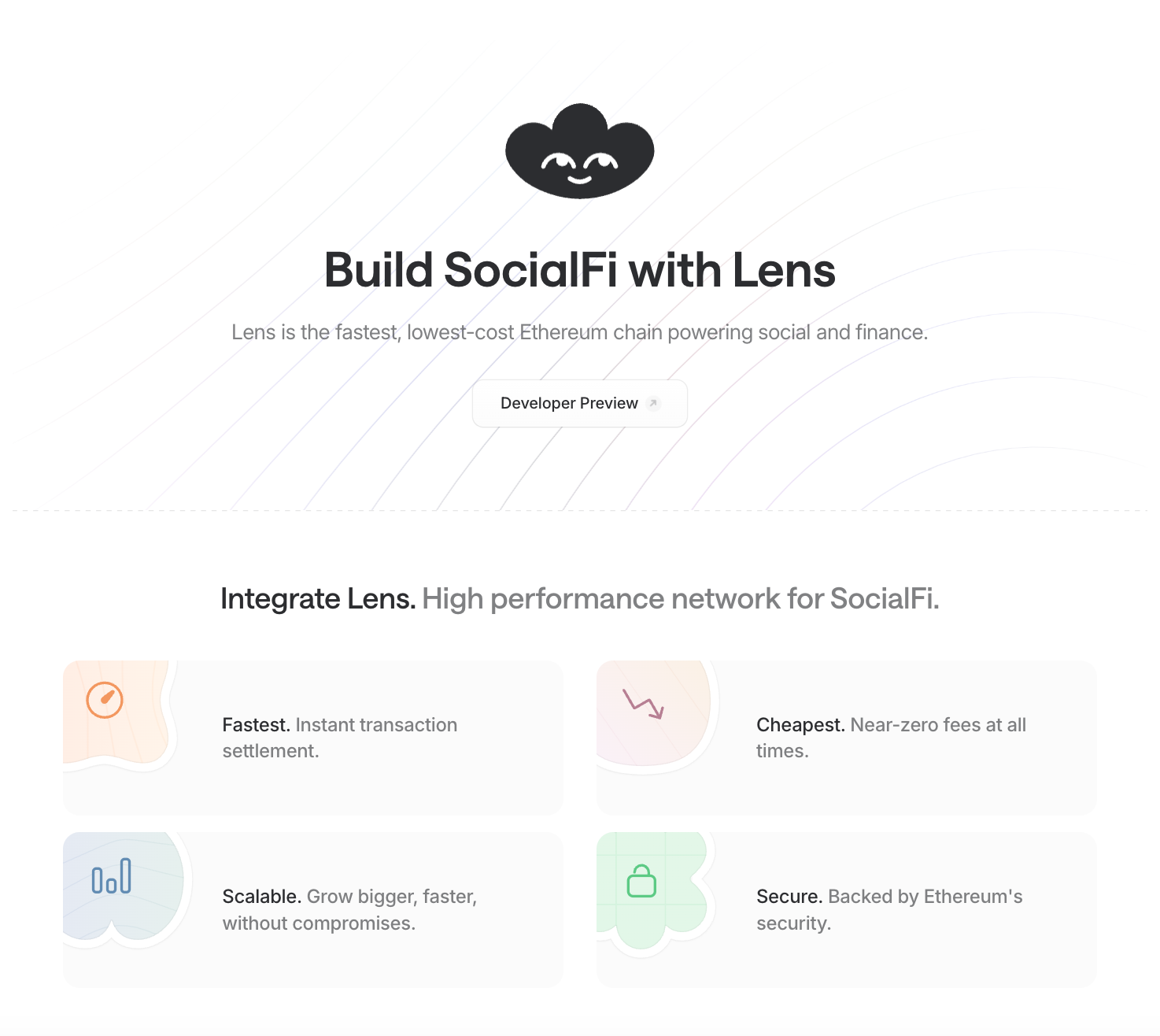
Lens Chain is a blockchain designed for SocialFi applications, providing a faster and more scalable infrastructure for decentralized social networks. It is built as a Layer 2 solution that benefits from Ethereum’s security while improving transaction speed and reducing costs.
One of its main features is account abstraction, which allows users to sign in with familiar credentials such as email or phone numbers. This removes some of the technical barriers that often discourage new users from interacting with blockchain applications.
Lens Chain also offers modular Social Primitives, which provide developers with ready-made tools to create features like user profiles, content feeds and social graphs without building everything from scratch.
Lens Chain also incorporates a decentralized storage system that balances security, efficiency and cost. Users retain ownership of their data while benefiting from a system that is as fast and cost-effective as centralized alternatives.
By focusing on accessibility and scalability, Lens Chain aims to create a more user-friendly blockchain for social media and financial applications.
What is GHO?
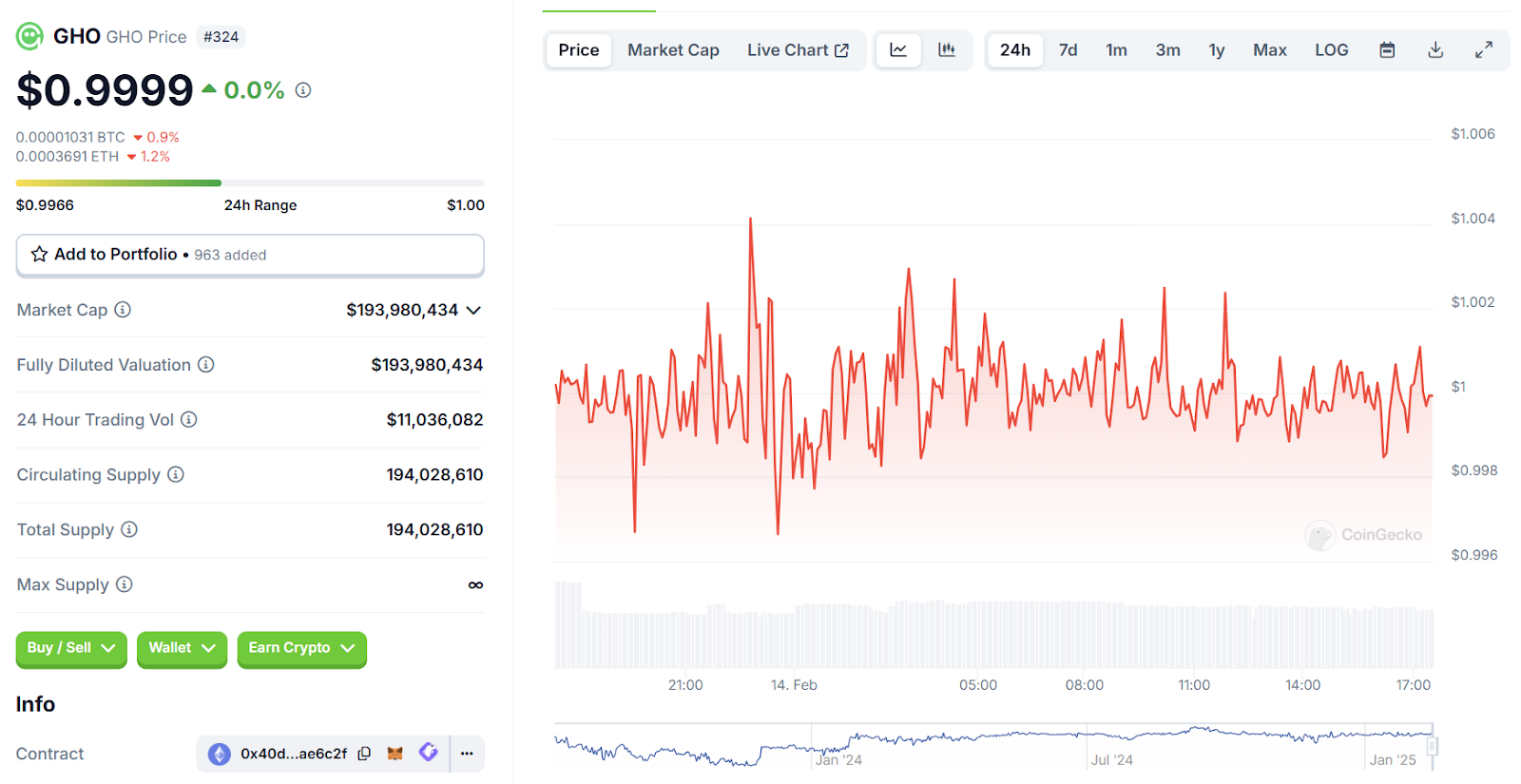
GHO is a stablecoin developed by Aave that maintains a value equal to one US dollar. Unlike traditional stablecoins issued by centralized companies, GHO is decentralized and overcollateralised.
This means users must deposit more value in assets than the amount of GHO they generate, ensuring its stability even during market volatility.
What makes GHO different from other stablecoins is its direct integration with the Aave protocol.
Users can mint GHO by supplying collateral within Aave’s system. Instead of relying on an external reserve or a centralized issuer, the value of GHO is backed by assets deposited in Aave.
The Aave community governs GHO, making decisions on key aspects such as interest rates and collateral requirements through decentralized governance.
Interest paid by those who borrow GHO is directed into the Aave DAO treasury, supporting the ecosystem’s sustainability. This structure provides transparency, security and long-term reliability.
Since GHO is natively built into the Aave ecosystem, it offers a stable and efficient alternative for on-chain transactions without depending on traditional financial institutions.
How Does the GHO Gas Fee Work on Lens Chain?
Using GHO as the gas token on Lens Chain allows transactions to be processed with a stable currency instead of a volatile crypto asset. This provides users with predictable transaction fees, making the network more accessible to those unfamiliar with price fluctuations in digital assets.
Lens Chain is built on the ZKsync framework and uses Avail for data availability, ensuring it can process transactions quickly and cost-effectively.
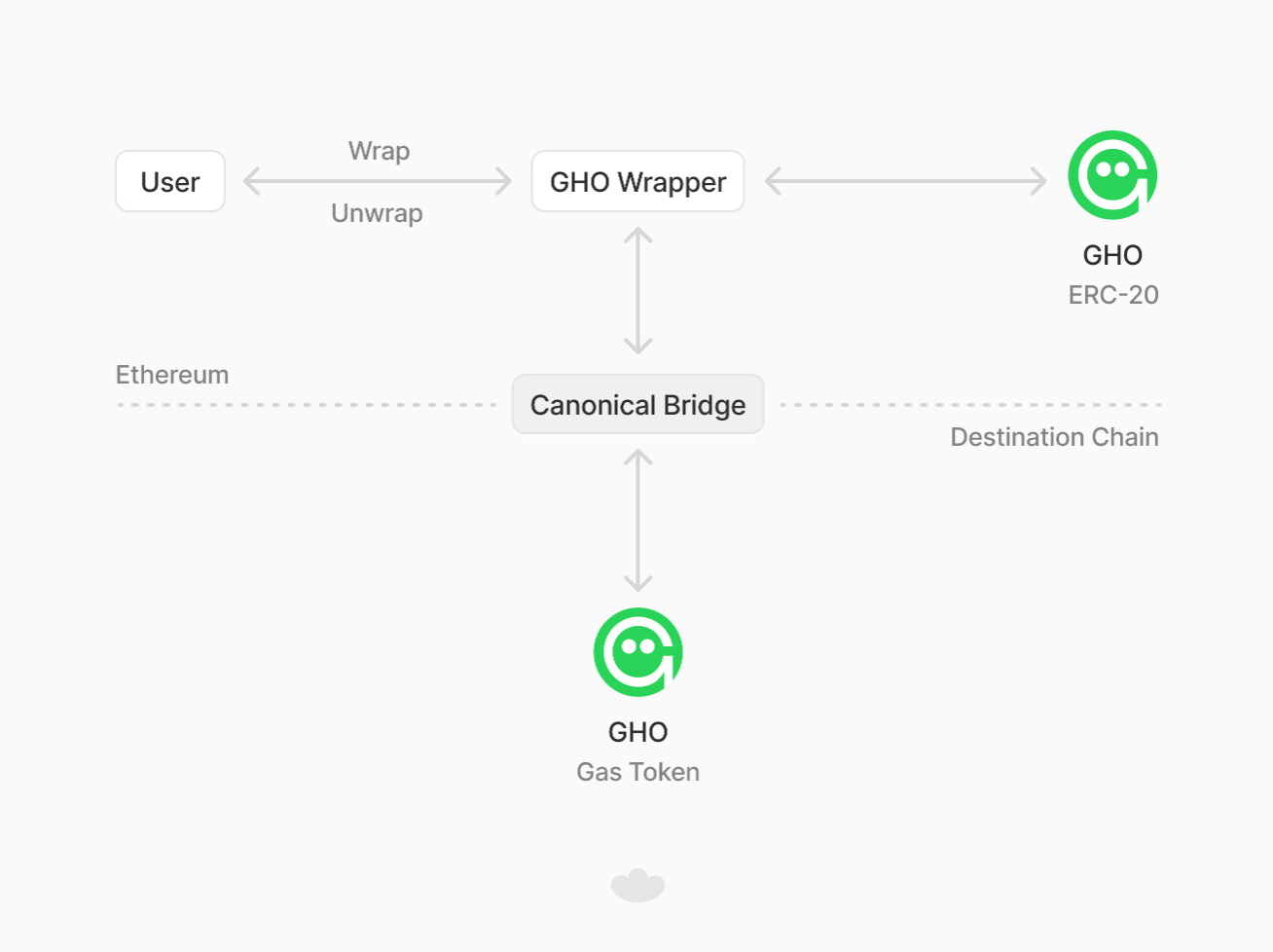
Instead of treating GHO as a standard bridged asset, Lens Chain integrates it directly through the ZKsync Shared Bridge, allowing GHO to function as a native gas token.
This system removes the need for users to acquire a separate native token just to pay for gas fees. Instead, they can use a stablecoin they already hold.
Developers can also introduce account abstraction features that let them subsidise transaction fees for users, making it easier for new participants to interact with blockchain applications without worrying about gas costs.
By adopting GHO as its gas token, Lens Chain reduces the complexity of blockchain interactions while maintaining the benefits of Ethereum’s security and decentralization.
This approach improves the experience for both users and developers by making transactions simpler and more predictable.
Accelerating Crypto and SocialFi Adoption
One of the biggest challenges in crypto adoption is the volatility of native blockchain tokens. Many users hesitate to engage with decentralized applications because they are unsure how much they will need to pay in fees.
Since stablecoins hold a fixed value, they offer a more predictable and convenient way to interact with blockchain networks.
GHO is already well-known and widely used within the Ethereum ecosystem, meaning users do not need to go through additional steps to acquire a separate token for gas fees. This reduces the friction often associated with onboarding new users to blockchain platforms.
Since stablecoins are more familiar to people outside the crypto space, their use in transaction fees could encourage more mainstream adoption of decentralized social networks and financial applications.
For developers, a stable gas token also makes it easier to manage costs. Instead of dealing with unpredictable price swings, they can plan their budgets with confidence. This provides a more reliable environment for building applications and creating long-term business models.
By reducing uncertainty and making blockchain interactions simpler, Lens Chain’s approach could help bridge the gap between decentralized technology and everyday users.
Conclusion
Lens Chain’s decision to use GHO as its gas token is an important step towards making blockchain transactions more accessible and predictable.
By eliminating the need for a volatile native token, it creates a smoother experience for both users and developers. Stable transaction costs could lower the barriers to entry for SocialFi applications, encouraging more people to explore decentralized platforms.
If this model proves successful, it could inspire other blockchain networks to adopt similar solutions, leading to broader adoption of stablecoin-based gas fees across the crypto industry.