The Diversity of the Animal Kingdom
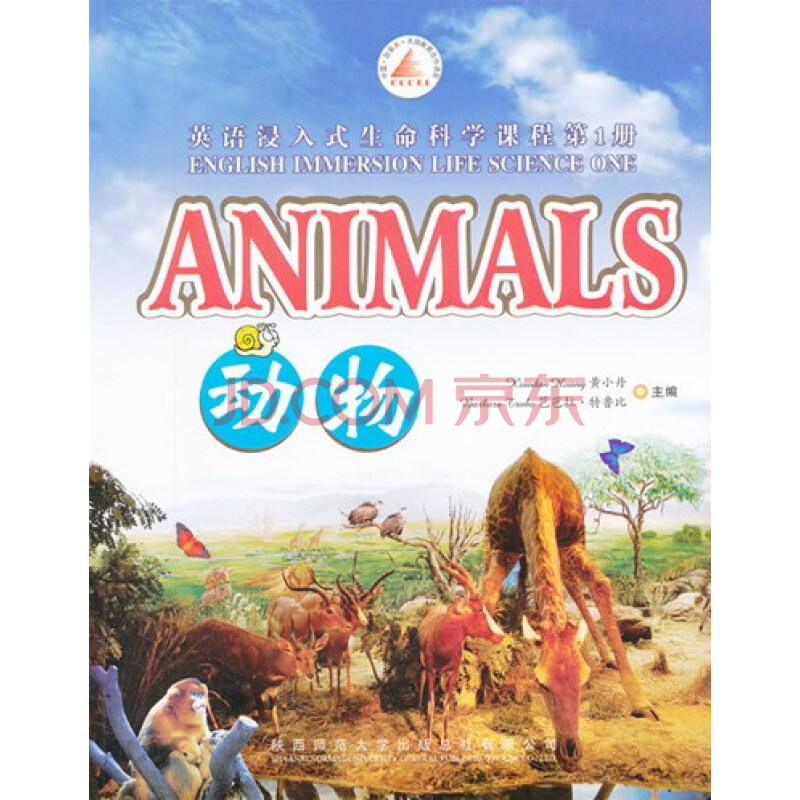
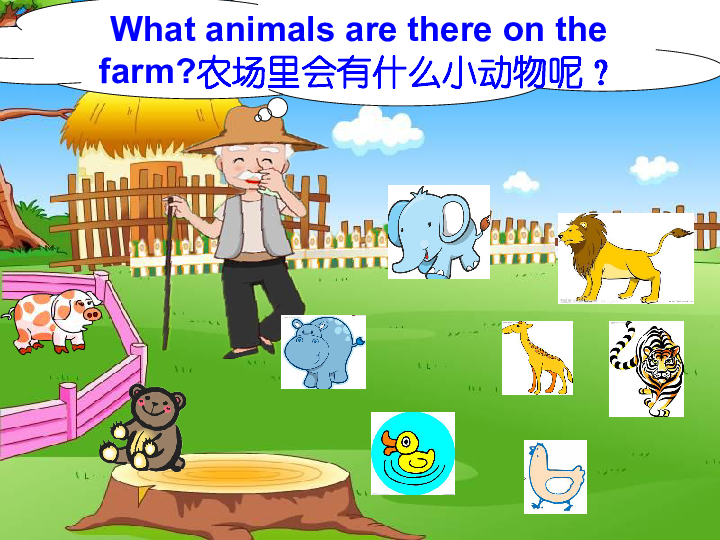
The animal kingdom is a tapestry woven with threads of countless species, each contributing to the rich fabric of life on Earth. From the vast savannas of Africa to the dense rainforests of South America, from the frozen expanses of the Arctic to the sun - kissed coral reefs of the tropics, animals have adapted to every conceivable environment.On land, we encounter the majestic African elephant, the largest land animal, with its massive body, long trunk, and ivory tusks. It can weigh up to several tons and plays a crucial role in maintaining the balance of the savanna ecosystem by dispersing seeds and creating water holes. In contrast, the tiny shrew scurries through the undergrowth, its small size allowing it to navigate through narrow crevices in search of insects and other small invertebrates. The cheetah, with its slender body and incredible speed, is the fastest land animal, capable of reaching speeds up to 70 miles per hour in short bursts as it chases down its prey. Meanwhile, the sloth, with its slow - moving lifestyle, spends most of its time hanging upside down from trees in the rainforest, munching on leaves that are low in nutrients but abundant in its habitat.The oceans, covering more than 70% of the Earth's surface, are home to an even more astonishing array of creatures. The blue whale, the largest animal to have ever lived, roams the deep waters. Its heart is as big as a small car, and its tongue can weigh as much as an elephant. Despite its colossal size, it feeds mainly on tiny krill, filtering them through baleen plates in its mouth. Colorful clownfish dart in and out of the protective tentacles of sea anemones, forming a symbiotic relationship. The octopus, with its eight flexible arms and highly intelligent brain, is a master of disguise, able to change its color and texture to blend in with its surroundings in a matter of seconds. And the anglerfish, found in the deep - sea trenches, has a unique adaptation: a bioluminescent lure on its head that it uses to attract prey in the pitch - black depths.In the skies, birds take to the air with grace and precision. The bald eagle, with its sharp talons and keen eyesight, soars high above North American lakes and rivers, scanning the water for fish. The hummingbird, the smallest bird in the world, hovers in mid - air, its wings beating at an incredible rate of up to 80 times per second as it sips nectar from flowers. Bats, the only mammals capable of true flight, emerge at night, using echolocation to navigate and hunt insects in the dark.This is just a glimpse into the vast diversity of the animal kingdom. There are millions of species, each with its own unique characteristics, behaviors, and roles in the ecosystem.
The Significance of Animals in Ecosystems
Animals play irreplaceable and crucial roles in maintaining the delicate balance of ecosystems. They are like the cogs and wheels in a complex machine, each with its own function, and together they ensure the smooth operation of the entire ecological system.One of the most fundamental roles animals play is in the food chain. At the base of the food chain are producers, mainly plants that use sunlight to produce energy through photosynthesis. Herbivores, such as deer, rabbits, and cows, feed on these plants. They are the primary consumers, converting the energy stored in plants into their own biomass. Then, there are carnivores like lions, wolves, and eagles, which prey on the herbivores. These secondary or higher - level consumers help control the population of herbivores. For example, in a grassland ecosystem, if there were no wolves to hunt deer, the deer population would grow unchecked. This would lead to over - grazing, causing the grasslands to be depleted, which in turn would affect other species that rely on the grassland habitat, such as insects, birds, and small mammals.Pollination is another vital service provided by animals. Bees are perhaps the most well - known pollinators. As they flit from flower to flower in search of nectar, they transfer pollen grains from the male parts of a flower (the anthers) to the female parts (the stigmas). This process is essential for the fertilization of plants, allowing them to produce seeds and fruits. Without bees and other pollinators like butterflies, bats, and some birds, many plant species would not be able to reproduce. This would have a domino effect on the entire ecosystem. For instance, many fruits and vegetables that humans rely on for food would not be available. Additionally, the loss of these plants would mean a loss of food and habitat for countless other animals.Decomposition is also an area where animals contribute significantly. Scavengers like vultures, hyenas, and some insects feed on dead animals. By consuming carcasses, they prevent the spread of diseases that could otherwise be carried by decaying flesh. In addition, earthworms and certain types of beetles are important decomposers in the soil. They break down dead plant material, such as fallen leaves and twigs, into smaller particles. This process enriches the soil with nutrients like nitrogen, phosphorus, and potassium, which are essential for plant growth. In a forest ecosystem, without the action of these decomposers, the forest floor would be littered with accumulated dead matter, and the nutrients would be locked up, making it difficult for new plants to grow.Some animals also act as ecosystem engineers. Beavers, for example, build dams across streams. These dams create ponds and wetlands, which are important habitats for a wide range of species. The ponds provide water for fish, amphibians, and water - dependent birds. The wetlands also filter pollutants from the water, improve water quality, and reduce the risk of flooding downstream. Another example is the African elephant. As it moves through the savanna, it knocks down trees. This behavior helps maintain the open savanna landscape, which is suitable for grass - eating herbivores like zebras and antelopes.
The Special Bond between Humans and Animals
The connection between humans and animals is a profound and ancient one, stretching back thousands of years. This bond is not only based on the practical roles animals play in our lives but also on the deep - seated emotional, cultural, and spiritual connections we share.For many people, pets are an integral part of the family. Dogs, often referred to as "man's best friend," offer unconditional love and loyalty. They greet their owners with enthusiasm after a long day at work, their wagging tails and excited jumps a testament to their joy at the reunion. Cats, with their independent yet affectionate nature, curl up on laps or beside their owners, providing a sense of warmth and comfort. These furry companions are more than just animals; they are confidants, offering a listening ear (or a patient purr) when we need to talk, and a source of comfort during difficult times. They have a remarkable ability to sense our emotions, whether it's a dog nuzzling up to its owner when they are sad or a cat rubbing against someone to cheer them up.Service animals, such as guide dogs, hearing dogs, and service dogs for people with physical disabilities, have a more utilitarian but equally important role. Guide dogs are trained to assist blind or visually impaired people, helping them navigate the often - complex and dangerous world outside. They can lead their owners across busy streets, avoid obstacles, and find specific locations. A well - trained guide dog becomes the eyes of its owner, allowing them to have a greater sense of independence and mobility. Hearing dogs alert their deaf or hard - of - hearing owners to important sounds, like doorbells, smoke alarms, or the call of a name. Service dogs for people with physical disabilities can perform tasks such as retrieving objects, opening doors, and providing stability when their owners are walking. These animals undergo rigorous training to be able to perform these vital services, and the bond they form with their human partners is based on trust, cooperation, and mutual dependence.Animals also hold significant symbolic meaning in various cultures and religions. In Chinese culture, the dragon is a powerful symbol of strength, prosperity, and good luck. It is associated with the imperial family and is often depicted in festivals and traditional art. The phoenix, another mythical bird, represents beauty, grace, and the feminine principle. In Hinduism, cows are considered sacred animals. They are seen as a symbol of motherly love, abundance, and non - violence. Cows are allowed to roam freely in many parts of India, and their milk and other products are used in religious ceremonies. In ancient Egyptian culture, the cat was revered. Cats were associated with the goddess Bastet, who was the goddess of home, fertility, and protection. Killing a cat in ancient Egypt was a serious crime, and when a cat died, its owners would often mourn and mummify it.In art and literature, animals are frequently used as symbols and characters. In Aesop's Fables, animals like the fox, the hare, and the tortoise are used to convey moral lessons. The sly fox often represents cunning and trickery, while the tortoise symbolizes perseverance. In the novel "Animal Farm" by George Orwell, the animals on the farm are used as allegorical representations of different aspects of human society and the political power struggle. In art, paintings of lions are often used to convey strength and courage, while paintings of doves symbolize peace.
The Current Predicament of Animals
Despite their crucial roles and the deep - seated connections with humans, animals today are facing an unprecedented and perilous situation. The threats they encounter are multifaceted, and if left unaddressed, could lead to the extinction of countless species and the collapse of ecosystems.Habitat destruction is one of the most significant threats. The expansion of human activities, such as deforestation for agriculture, logging, and urbanization, is rapidly shrinking the living spaces of animals. The Amazon rainforest, often referred to as the "lungs of the Earth," is being cleared at an alarming rate. Every year, large areas of this vital ecosystem are cut down to make way for soybean farms, cattle ranches, and infrastructure development. This destruction not only directly destroys the homes of countless species like jaguars, sloths, and thousands of bird and insect species but also disrupts the complex ecological relationships within the forest. For instance, the loss of trees means that many arboreal animals lose their food sources and shelter, and the fragmentation of the forest makes it difficult for species to move, find mates, and maintain healthy populations. According to the World Wildlife Fund, an estimated 10 million hectares of tropical rainforest are lost each year, a rate that is equivalent to losing a football field - sized area of forest every single minute.Illegal hunting and poaching also pose a severe threat to many species. The demand for animal products in the black market, such as ivory from elephants, rhino horns, and tiger skins, has led to the rampant killing of these animals. African elephants, for example, are being poached at an unsustainable rate. In the past few decades, their population has declined significantly. The Convention on International Trade in Endangered Species of Wild Fauna and Flora (CITES) has reported that thousands of elephants are killed each year for their ivory tusks. This not only reduces the elephant population but also has a cascading effect on the savanna ecosystem. Elephants play a crucial role in maintaining the balance of the savanna by dispersing seeds, creating water holes, and influencing the growth of vegetation. With their numbers dwindling, the savanna ecosystem is becoming more vulnerable.Climate change is yet another global challenge that is affecting animals in various ways. Rising temperatures, changing precipitation patterns, and sea - level rise are all having a profound impact on animal habitats. Polar bears, which are native to the Arctic, are one of the most visible victims of climate change. The melting of sea ice, which is a result of global warming, is reducing their hunting grounds. Polar bears rely on the sea ice to hunt seals, travel, and breed. As the ice melts earlier in the spring and forms later in the fall, polar bears have less time to hunt and build up their fat reserves. This has led to a decline in their body condition, lower cub survival rates, and an overall decrease in their population. A study by the U.S. Geological Survey predicts that two - thirds of the world's polar bear population could disappear by 2050 if the current rate of sea - ice loss continues.In addition to these major threats, animals also face challenges from pollution, invasive species, and over - exploitation of natural resources. For example, plastic pollution in the oceans is a growing problem. Marine animals such as sea turtles, seabirds, and whales often mistake plastic debris for food. A sea turtle may ingest a plastic bag, thinking it is a jellyfish, which can lead to internal blockages and death. Invasive species can also disrupt native ecosystems. When a non - native species is introduced into a new area, it may outcompete native species for resources, prey on them, or introduce new diseases. The cane toad, for example, was introduced to Australia in the 1930s to control sugarcane pests. However, it has since spread widely and has had a negative impact on many native Australian species, including some snakes, lizards, and small mammals that are not adapted to its toxic skin.
What We Can Do to Protect Animals
The situation of animals calls for immediate and collective action. Protecting animals is not only the responsibility of conservation organizations and governments but also of every individual. There are numerous ways we can contribute to this noble cause, ranging from simple daily actions to more significant efforts.On an individual level, we can start by reducing our consumption of single - use products, especially those made from plastics. As we know, plastic pollution is a major threat to marine life. By using reusable bags, bottles, and containers, we can significantly reduce the amount of plastic waste that ends up in the oceans, thus protecting animals like sea turtles, seabirds, and whales from ingesting or getting entangled in plastic debris. Another simple yet effective step is to choose products that are cruelty - free. Many cosmetics and household products are tested on animals, causing them pain and suffering. By opting for cruelty - free alternatives, we can send a clear message to companies that animal testing is unacceptable.Supporting animal - friendly policies and initiatives is also crucial. We can write to our local representatives, urging them to support legislation that protects animals and their habitats. For example, advocating for stricter laws against illegal hunting and poaching, or for the expansion of protected areas. Additionally, we can participate in citizen - science projects. These projects allow ordinary people to contribute to scientific research on animals. For instance, some projects involve monitoring the behavior of birds in local parks or tracking the movement of butterflies. By getting involved, we can help scientists gather valuable data that can inform conservation efforts.Furthermore, supporting animal - protection organizations is a great way to make a difference. These organizations work tirelessly to protect animals from various threats. They conduct research, rescue injured animals, and campaign for stronger animal - protection laws. We can donate money, volunteer our time, or raise awareness about their work. For example, the World Wildlife Fund (WWF) is actively involved in protecting endangered species like pandas, tigers, and rhinos. By donating to the WWF, we can directly contribute to their conservation projects, such as anti - poaching efforts and habitat restoration.On a larger scale, governments have a significant role to play. They should enforce existing laws more strictly and strengthen legislation to combat illegal activities such as poaching, wildlife trafficking, and habitat destruction. For example, increasing the penalties for those involved in illegal wildlife trade can act as a strong deterrent. Governments should also invest in scientific research to better understand the needs and behaviors of different animal species. This knowledge can help in the development of more effective conservation strategies.Education also plays a fundamental role in animal protection. Schools and universities can incorporate animal - protection and environmental - awareness programs into their curricula. By teaching students about the importance of animals in ecosystems, the threats they face, and how to protect them, we can cultivate a new generation of animal advocates. For example, schools can organize field trips to local nature reserves or wildlife sanctuaries, where students can observe animals in their natural habitats and learn about conservation efforts firsthand.In conclusion, protecting animals is a global challenge that requires the efforts of everyone. By taking small steps in our daily lives, supporting animal - protection organizations, and advocating for stronger policies, we can all contribute to the well - being of the animal kingdom. Let us all play our part in ensuring that future generations can continue to marvel at the diversity and beauty of the animal world.
Conclusion
Animals are not just inhabitants of our planet; they are an integral part of the web of life that sustains us all. Their diversity, from the tiniest insects to the largest mammals, enriches our world in countless ways. They play crucial roles in maintaining the balance of ecosystems, providing essential services such as pollination, decomposition, and pest control. Our bond with animals, whether as beloved pets, working partners, or symbols in our cultures, is a testament to the deep - seated connection we share.However, the current threats to animals are alarming. Habitat destruction, illegal hunting, climate change, and pollution are pushing many species to the brink of extinction. The consequences of losing these species are far - reaching, affecting not only the animals themselves but also the delicate balance of our ecosystems and, ultimately, our own well - being.The urgency of protecting animals cannot be overstated. It is a task that requires the collective efforts of individuals, communities, governments, and organizations around the world. We all have a role to play, whether it's making simple changes in our daily lives, supporting conservation initiatives, or advocating for stronger animal - protection policies.So, let us all become advocates and actors for animal protection. Let us spread the word about the importance of animals, take action to reduce our impact on their habitats, and support those working on the front lines of conservation. By doing so, we can ensure that future generations will continue to enjoy the beauty and diversity of the animal kingdom, and that the intricate balance of our planet's ecosystems will be preserved for years to come.