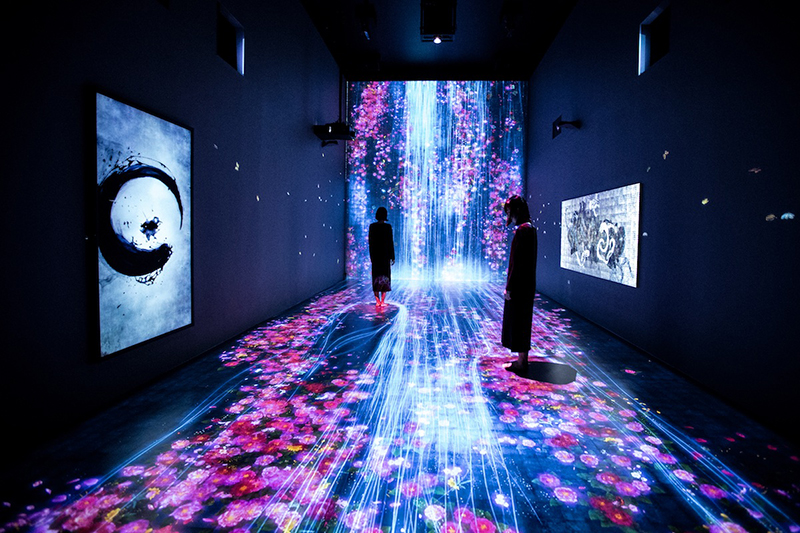
For centuries, cultural relics and great works of art have been confined to museums and galleries due to the need for preservation, along with the high costs of transportation, insurance, and logistics. With the evolution of digital technology, new ways of exhibiting and experiencing art beyond the classic approach have emerged. Technologies such as virtual reality (VR), augmented reality (AR), and holograms have taken art to new dimensions, offering immersive and accessible experiences to a global audience. Moreover, with the arrival of Web3, we are witnessing a digital art revolution on an unprecedented scale, providing new forms of interaction, ownership, and monetization—unlocking possibilities beyond the conventional.
Digital Exhibitions: The Medium Becomes Part of the Content
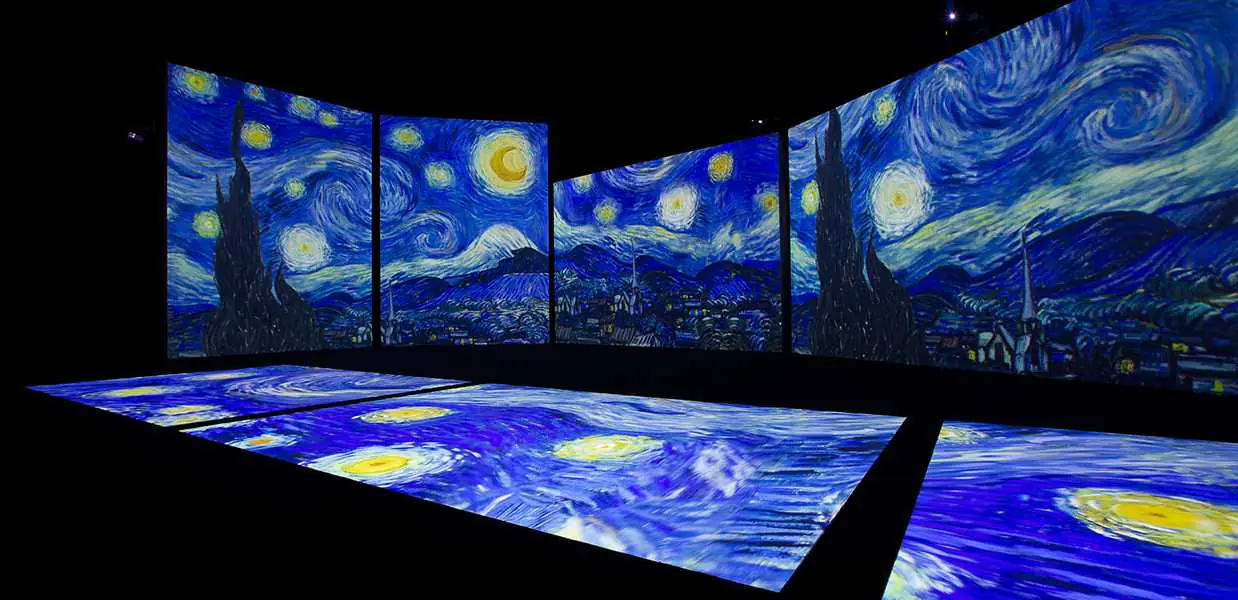
Art exhibitions based on digital media are transforming how people interact with classic works. Through interactive devices and immersive experiences, it is now possible to contemplate every detail of a painting or sculpture from all angles, allowing for a much deeper level of understanding. Examples like the "Immortal Van Gogh" exhibition, where multimedia animation technology brought new life to the artist’s vibrant works, have captured global attention, enabling people to experience his art in a dynamic and engaging format.
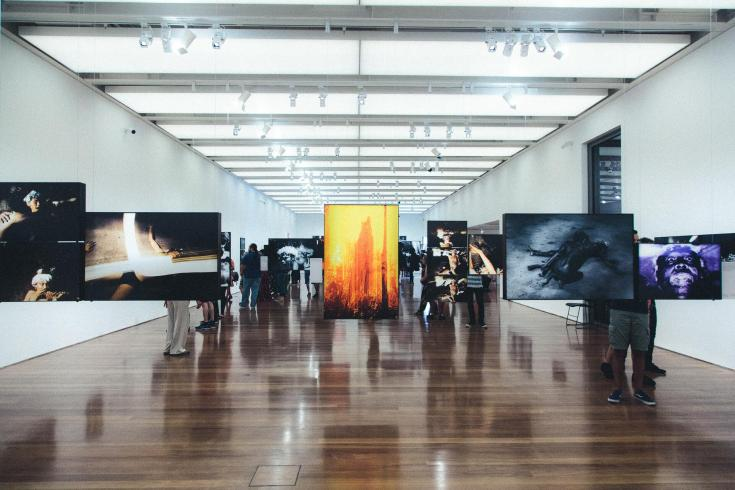
Traditional museums have also begun implementing advanced technologies such as virtual reality and holography to enrich visitor experiences. For example, the British Museum used advanced medical scans to display 3D images of Egyptian mummies, allowing visitors to "unwrap" them digitally on an interactive screen. Interactivity has become a key factor in attracting new audiences and making art more accessible.
Web3 and the Democratization of Art
While digital technologies have changed how we experience art, Web3 is revolutionizing its ownership and distribution. Based on decentralized technologies such as blockchain and NFTs (non-fungible tokens), Web3 allows artists and creators to have unprecedented control over their works, eliminating intermediaries and opening up new monetization opportunities—a major leap forward when we look back at how things used to be. Now, artists truly hold the power over their artistic content.
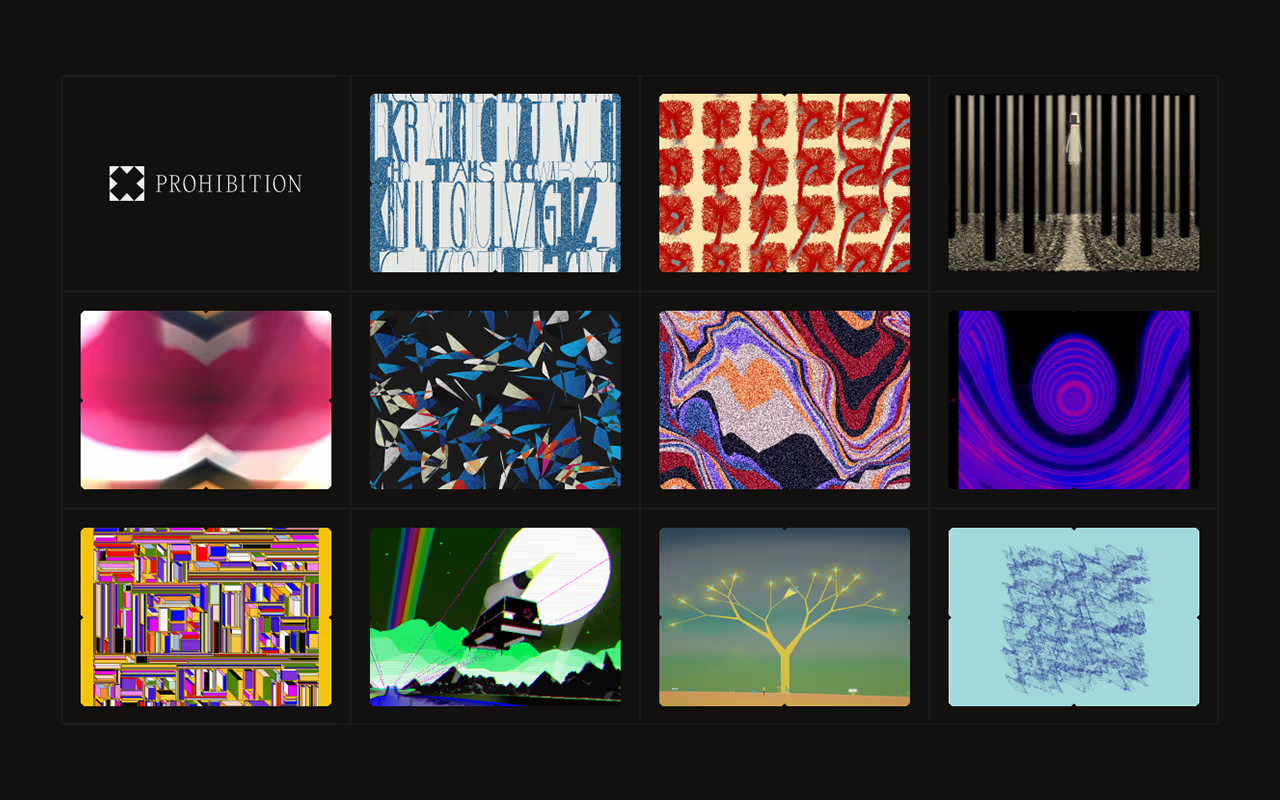
NFTs have enabled the creation of "virtual museums" and digital galleries where artworks can be bought, sold, and uniquely experienced. Platforms like Decentraland or The Sandbox have given rise to virtual exhibitions where visitors can explore entire galleries within a metaverse, discovering collections that would otherwise be inaccessible. The ability to verify the authenticity and ownership of a piece through blockchain ensures transparency and security for both artists and collectors.
Additionally, the tokenization of artwork allows for fractional ownership, enabling more people to participate in the art market. No longer does one need to be a millionaire collector to invest in a valuable piece; Web3 brings art within reach by dividing it into digital fractions and distributing it among a global community.
New Interactive and Participatory Experiences
Web3 also introduces an unprecedented level of interaction in art exhibitions. With smart contracts and DAOs (Decentralized Autonomous Organizations), communities can actively participate in the curation and development of artistic projects. Decentralized museums allow users to vote on which artworks will be exhibited or even contribute their own creations, redefining the relationship between the public and art.
A notable example is the "Museum of Crypto Art" (MOCA), which operates as a blockchain-based digital gallery. Here, collectors can showcase their NFTs in a virtual environment, allowing visitors to explore and discover new forms of digital art. This model has also been adopted by initiatives like "Oncyber," a platform that enables the creation of interactive 3D exhibitions.
Challenges and Opportunities in the Convergence of Art and Technology
While technology has opened countless possibilities for the dissemination and appreciation of art, it also presents challenges—some of which were to be expected. The overuse of visual effects and digital interactions could push artistic content into the background, turning exhibitions into mere commercial spectacles. Striking a balance between technological innovation and preserving the intrinsic value of traditional art is essential.
Moreover, blockchain sustainability remains a key issue, as many networks require large amounts of energy to operate. However, with the development of more efficient blockchains such as Ethereum 2.0 and low-energy networks like Tezos, greater sustainability is being achieved within the digital art ecosystem.
The Future of Art in the Age of Smart Technology and Web3
The convergence of art and smart technology allows art exhibitions to be more interactive, accessible, and immersive than ever before. This evolution goes a step further, enabling artists and audiences to participate in the creation and distribution of art in a decentralized and transparent manner.
The "smart+" model integrates advanced digital media with interactive elements, creating a multisensory and participatory experience. From metaverse exhibitions to NFTs certifying the authenticity of artworks, technology is transforming how we conceive, experience, and share art.
While the challenges are evident, the future of digital art is full of possibilities. The key lies in finding a balance between technology and artistic value, ensuring that the medium remains a tool for enriching the artistic experience rather than overshadowing it. In smart exhibitions, the focus must be on the artworks themselves—not just the technical means. Understanding content, audience psychology, and the environment remains essential for success.
Furthermore, making collections accessible and revealing their cultural significance is crucial for preserving the value of traditional arts in society, reflecting the role of museums as social organizations. Addressing the practical challenges of smart digital media is key to ensuring that museums and exhibitions continue to evolve. With Web3, art is no longer just exhibited—it is now interactive, accessible, and truly global. However, for this evolution to be meaningful, it is essential to deepen artistic content and enhance the art experience without losing its essence.
References
- Van Gogh Immersive Experience – Official project page: https://vangoghexpo.com/
- Interactive visualization of 3D-scanned mummies: https://cacm.acm.org/research/interactive-visualization-of-3d-scanned-mummies-at-public-venues/
- Virtual museums and art galleries: https://www.theguardian.com/travel/2020/mar/23/10-of-the-worlds-best-virtual-museum-and-art-gallery-tours
- What is an NFT? Benefits and how it works: https://www.christies.com/en/stories/nft-101-collection-guide-to-nft-76c0455b59454f4aa302f7679083258c
- Museum of Crypto Art (MOCA) – Blockchain-based digital galleries: https://museumofcryptoart.com/
- Oncyber – Digital exhibition platform: https://oncyber.io/
- Ethereum 2.0 and sustainability: https://ethereum.org/en/eth2/
- How NFTs are changing art: https://time.com/5947720/nft-art/
- Tezos and low-energy blockchain for art: https://tezos.com/