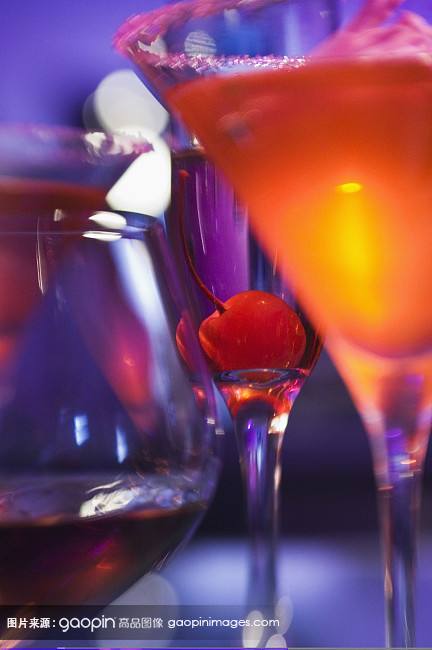
The Allure of Cocktails
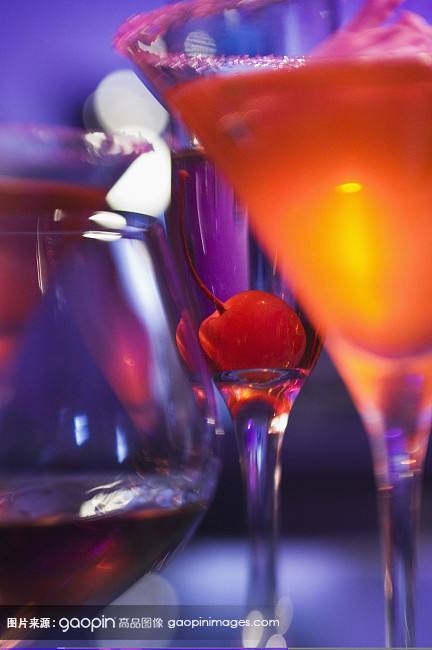
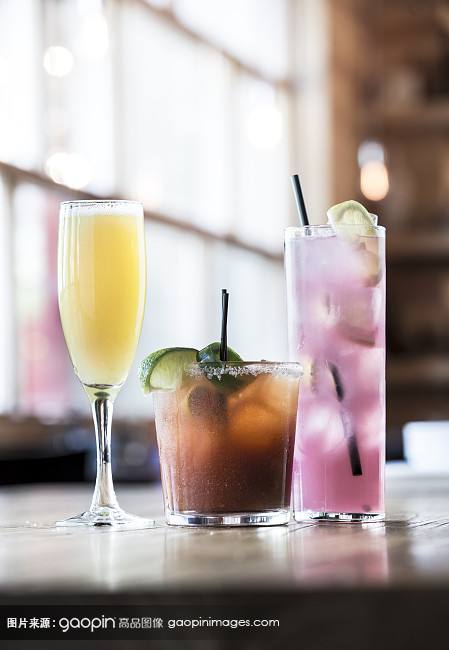
Cocktails have an irresistible charm that captivates people worldwide. Their allure lies in the harmonious blend of diverse flavors, eye-catching colors, and the unique experiences they offer.With an array of spirits, mixers, and garnishes at their disposal, bartenders can create an infinite number of flavor combinations. For instance, the classic Margarita combines the tangy freshness of lime juice, the smoothness of tequila, and a hint of salt on the rim, resulting in a refreshing and well - balanced drink. The Negroni, on the other hand, features a bold and complex flavor profile, with equal parts gin, Campari, and sweet vermouth, offering a bittersweet and herbaceous taste.Moreover, cocktails are a visual treat. The vibrant red of a Bloody Mary, the electric blue of a Blue Lagoon, or the gradient of colors in a Pina Colada not only make them appealing but also add to the overall drinking experience. The way light refracts through the glass, highlighting the different layers and hues, is truly captivating.Cocktails are also deeply ingrained in social and cultural settings. They are often served at parties, lounges, and special occasions, creating a convivial atmosphere. Sharing a round of expertly crafted cocktails with friends can lead to memorable conversations and connections.
The Origin of Cocktails
A Legendary Beginning
The origin of cocktails is steeped in legend. One of the most popular stories dates back to 1776, in a tavern in Elmsford, New York. Betsy Flanagan, a resourceful bartender, found herself with a collection of leftover spirits as the day's business was winding down. Instead of discarding them, she had a creative idea. She combined these remnants of different liquors in a large container and, in a moment of inspiration, grabbed a feather from a rooster's tail. With this improvised stirrer, she mixed the concoction thoroughly.When a group of officers entered the tavern and asked for a drink, Betsy served them this unique blend. The officers, intrigued by the appearance and the mysterious taste, inquired about the name of the drink. Betsy, perhaps caught off - guard or simply in a playful mood, replied, "This is a cocktail." And so, a name was born, and a new concept in the world of beverages was introduced.
Historical Development
Before the official birth of the cocktail as we know it, early settlers in America were already experimenting with various ways to make alcohol. They fermented an array of ingredients such as pumpkins, parsnips, and even apples. Apple brandy, in particular, became quite popular as it was relatively easy to produce without the need for expensive distillation equipment.As time passed, rum emerged as a dominant spirit in the Americas. Christopher Columbus brought sugarcane to the Caribbean on his second voyage in 1493, and soon, the region became a major producer of sugar. The leftover molasses from the sugar - making process was then fermented and distilled into rum. This inexpensive and potent spirit became a staple, especially in the Caribbean and the American colonies. It was used in early mixed drinks, and as trade routes expanded, rum's popularity grew.In the 18th and 19th centuries, as societies became more sophisticated, the art of mixing drinks evolved. Bartenders started to experiment with different combinations of spirits, liqueurs, fruits, and other ingredients. The cocktail began to take on a more defined form, with specific recipes and techniques. It became a symbol of social gatherings, whether in high - end salons or local taverns, and its popularity continued to spread across the globe.
The Magic of Mixology
The Art of Mixing
Crafting a perfect cocktail is a meticulous process that requires the right tools and a well - defined set of steps.Essential tools include the shaker, which comes in different types such as the three - piece shaker (also known as the cobbler shaker) and the two - piece Boston shaker. The three - piece shaker consists of a mixing tin, a strainer top, and a cap, while the Boston shaker has a larger mixing tin and a glass or metal tumbler. These are used to vigorously mix ingredients, especially when dealing with items like fruit juices, egg whites, or cream that need to be well - integrated.A strainer is another crucial item. The Hawthorne strainer, with its coiled spring around the rim, is commonly used with the Boston shaker to separate the liquid from the ice and any solid ingredients. The Julep strainer, which has a flat, perforated surface, is often used for drinks served in a julep cup.A measuring jigger is indispensable for accurate pouring. Standard jiggers typically have two sides, with one side measuring 1.5 ounces (a common shot size) and the other side measuring 0.5 or 1 ounce. This ensures that the proportions of each ingredient are just right, maintaining the integrity of the cocktail's flavor profile.Muddlers are used to gently crush herbs, fruits, or spices at the bottom of a glass. This releases their natural flavors and essences, which can then be incorporated into the drink. For example, when making a classic Mojito, a muddler is used to crush fresh mint leaves, enhancing the drink's refreshing herbal aroma.The process begins with filling the shaker or mixing glass with ice. Ice is not just for cooling; it also dilutes the drink slightly, which can enhance the flavor balance. Next, measure the spirits and other liquid ingredients precisely using the jigger. For instance, if making a Martini, you might measure 2.5 ounces of gin and 0.5 ounces of dry vermouth. Then, add any additional ingredients like fruit juices, syrups, or liqueurs. If you're making a Piña Colada, you'd add coconut cream, pineapple juice, and a splash of lime juice after measuring the rum.If using a shaker, close it tightly and shake vigorously for about 10 - 15 seconds if there are no eggs or cream involved, and up to 25 seconds if there are. When using a mixing glass, stir the ingredients well with a bar spoon for about 30 - 40 seconds to ensure proper cooling and mixing. Finally, strain the cocktail into the appropriate glass, whether it's a chilled martini glass, a highball glass, or a coupe, and garnish as desired.
Tips for Perfect Cocktails
Achieving the perfect cocktail goes beyond the basic steps. One key tip is to control the amount of ice. Using too much ice can over - dilute the drink, making it weak and flavorless. On the other hand, too little ice won't cool the cocktail effectively or provide the right level of dilution. For shaken cocktails, fill the shaker about three - quarters full with ice. This allows enough room for the ingredients to mix properly while ensuring the right amount of dilution during the shaking process.When making layered cocktails, understanding the density of different ingredients is crucial. Liquids with higher sugar content or alcohol by volume are generally denser. For example, a liqueur like crème de cacao is denser than a clear spirit like vodka. To create distinct layers, start by pouring the densest liquid first. Use a bar spoon to gently pour the next liquid over the back of the spoon, allowing it to flow down the side of the glass without disturbing the lower layer. This technique ensures that each layer remains separate, creating a visually stunning and delicious drink.Fresh ingredients are a game - changer. Using freshly squeezed fruit juices instead of bottled ones can significantly enhance the flavor of a cocktail. The natural acidity and sweetness of fresh juice bring a vibrant and authentic taste. Similarly, using fresh herbs like basil, mint, or thyme adds a burst of aromatic freshness that can't be replicated with dried herbs.Lastly, don't be afraid to experiment. While classic cocktail recipes are time - tested, adding a personal touch or substituting an ingredient can lead to exciting new flavor combinations. Maybe swap out the traditional gin in a Negroni with a different botanical spirit or add a dash of a unique bitters to a classic Old - Fashioned. With a bit of creativity and a willingness to explore, you can create cocktails that are truly your own.
Popular Cocktails Around the World
Classic Cocktails
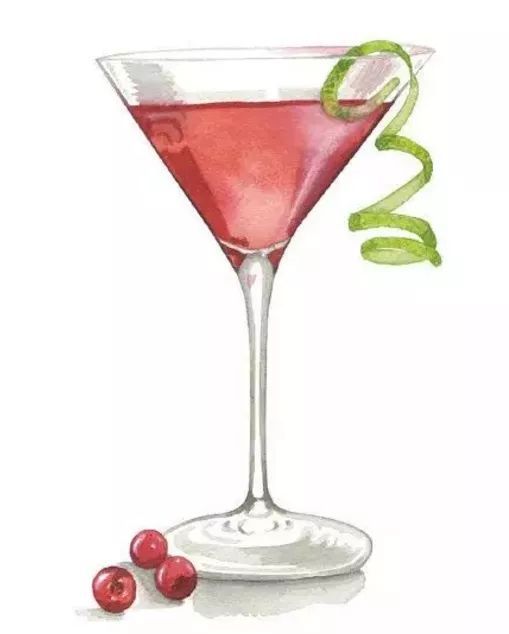
Classic cocktails are the cornerstones of the cocktail world, each with a rich history and a distinct flavor profile.The Martini, often hailed as the "King of Cocktails," is a timeless classic. Its traditional recipe calls for gin and a dash of dry vermouth, typically in a ratio of 6:1 or 8:1 in modern interpretations, although it has evolved over the years. Served ice - cold in a chilled martini glass and often garnished with an olive or a twist of lemon peel, the Martini offers a crisp, clean, and herbaceous flavor from the gin, with the dry vermouth adding a subtle, earthy complexity. It has been immortalized in literature and film, most notably in Ian Fleming's James Bond novels, where Bond's preference for a "shaken, not stirred" Martini became iconic.The Manhattan, another classic, is a sophisticated drink with a base of whiskey (usually rye or sometimes bourbon), sweet vermouth, and a dash of bitters. It's typically stirred with ice and strained into a cocktail glass, garnished with a maraschino cherry. The combination of the bold whiskey, the sweet, fruity notes of the vermouth, and the bitter, aromatic undertones of the bitters creates a harmonious blend that is both robust and refined. The story behind its name is somewhat debated, but it is said to have originated in New York City, likely at the Manhattan Club in the 1870s.The Mojito, a refreshing Cuban cocktail, has gained worldwide popularity. It's made with white rum, fresh lime juice, sugar (traditionally cane sugar), soda water, and a generous amount of fresh mint leaves. The mint leaves are gently muddled at the bottom of the glass to release their fragrant oils, then combined with the other ingredients over ice. The result is a light, citrusy, and herbaceous drink that is perfect for warm weather. The Mojito's simplicity and refreshing nature make it a favorite for those seeking a taste of the Caribbean. Ernest Hemingway was known to be a fan of this cocktail, further contributing to its allure.
Regional Specialties
Regional specialties showcase the unique flavors and cultures of different parts of the world.In the United States, the Long Island Iced Tea is a potent and well - known cocktail. It's a complex blend of vodka, tequila, rum, gin, triple sec, and a splash of cola, which gives it the appearance of iced tea. Despite its deceptive name, it packs a strong alcoholic punch, with a relatively high alcohol - by - volume percentage. Originating in the 1970s in Long Island, New York, this cocktail is often associated with lively parties and nights out.Mexico is famous for the Margarita, a tangy and refreshing cocktail. Its base is tequila, combined with triple sec (an orange - flavored liqueur) and freshly squeezed lime juice. The rim of the glass is typically salted, which adds an interesting contrast to the sweet - tart flavors of the drink. There are various theories about the Margarita's origin, but one popular story attributes it to a Mexican bar owner who created the drink in the 1930s or 1940s for a special guest. Whether served on the rocks or frozen, the Margarita is a symbol of Mexican cocktail culture and is widely enjoyed around the world.These popular cocktails, both classic and regional, continue to be enjoyed by cocktail enthusiasts everywhere, each offering a unique taste experience and a glimpse into the rich tapestry of cocktail history and culture.
Cocktails in Modern Society
Cocktails and Social Gatherings
Cocktails play an integral role in social gatherings, adding a touch of sophistication and conviviality. At parties, whether it's an intimate house gathering or a large - scale event, cocktails are often the centerpiece of the beverage selection. They serve as an ice - breaker, encouraging guests to engage in conversations. For example, at a themed costume party, a signature cocktail that ties in with the theme can create a more immersive experience. Guests might gather around the bar, discussing the unique flavors of the drink while sharing stories about their costumes.In bars and lounges, the atmosphere is often defined by the array of cocktails on offer. The dim lighting, the clinking of glasses, and the expertly crafted cocktails create a relaxed and inviting setting. People come to unwind after a long day, catch up with friends, or meet new people. Bartenders, with their flair and skill, become entertainers as they mix and shake drinks, adding to the overall allure of the establishment. A well - made cocktail can enhance the enjoyment of an evening out, making it more memorable and enjoyable.
The Influence of Cocktails on Popular Culture
Cocktails have left an indelible mark on popular culture, permeating various forms of media. In movies, they are often used to set the mood or define a character. James Bond's preference for a Martini has made the drink an iconic symbol of sophistication and coolness. His suave demeanor as he orders, "Shaken, not stirred," has influenced generations, leading to an increase in the popularity of the Martini and inspiring countless imitations.In music, cocktails have also found their way into lyrics and music videos. For instance, 周杰伦's song "Mojito" not only pays homage to the classic Cuban cocktail but also brings its tropical charm to a global audience. The music video, with its vibrant colors and scenes of people enjoying mojitos in a laid - back setting, further popularized the drink and the carefree lifestyle associated with it.Literature has also embraced cocktails as a means of adding depth to characters and settings. In F. Scott Fitzgerald's "The Great Gatsby," cocktails are served in abundance at Gatsby's lavish parties, symbolizing the decadence and excess of the Jazz Age. The descriptions of characters sipping on Martinis and Champagne cocktails help to paint a vivid picture of the era's social and cultural landscape.Overall, cocktails continue to be an important part of modern society, influencing and being influenced by the world around them. Whether in social settings or in the realm of popular culture, they add a touch of elegance, flavor, and excitement.
Conclusion
In conclusion, cocktails are much more than just beverages; they are a fascinating blend of history, culture, and creativity. From their mysterious origins to their integral role in modern society, cocktails have continuously evolved and adapted, captivating the taste buds and imaginations of people around the world.The allure of cocktails lies not only in their diverse flavors and stunning appearances but also in the experiences they create. Whether it's the shared laughter over a round of cocktails at a party, the sophisticated ambiance of a bar, or the cultural references in popular media, cocktails have become an inseparable part of our social and cultural fabric.As we've explored the art of mixology, the variety of popular cocktails, and their impact on society, it's clear that there's always something new to discover in the world of cocktails. So, the next time you're at a gathering or simply looking to unwind, don't hesitate to order a classic cocktail or venture into the realm of mixology and create your own unique concoction. Raise a glass and toast to the wonderful world of cocktails!