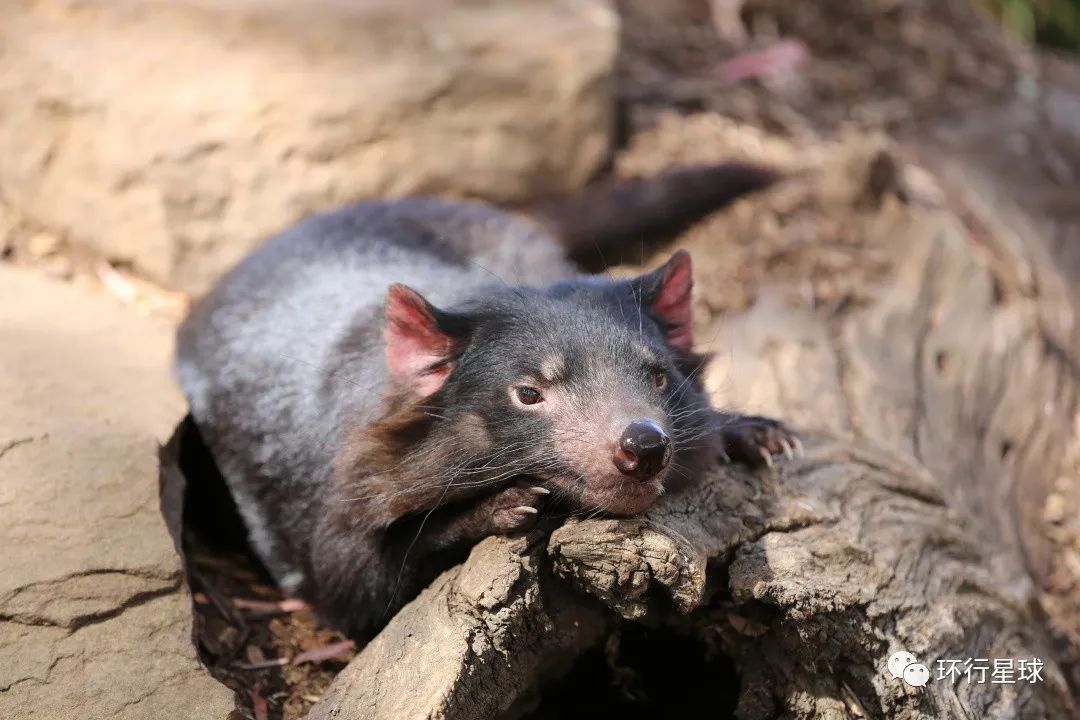
来自澳大利亚的“塔斯马尼亚恶魔”袋獾(dài huān),亦被称作塔斯马尼亚恶魔,身形与小狗相似,食肉动物,全身黑色,胸部和臀部往往带有一些白毛,整体看上去像是一只萌萌的大老鼠,分分钟让人有一种想撸它的冲动。
图:Bernhard Richter /Shutterstock
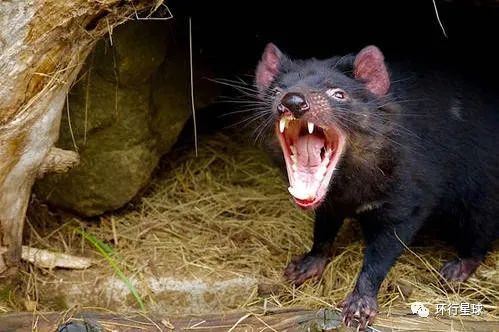
但请不要被它可爱的外表蒙蔽,一项关于哺乳类动物噬咬能力的分析指出,相对于体积而言,袋獾是现存噬力最强的哺乳类动物,分分钟可以咬碎骨头和靴子。这样铁齿铜牙的小恶魔在遭遇攻击时会发出臭味,并配以刺耳的叫声。一种怂狠怂狠的感觉扑面而来,像极了社畜的我们,抱住胖胖的自己。
图:passengeronearth.com
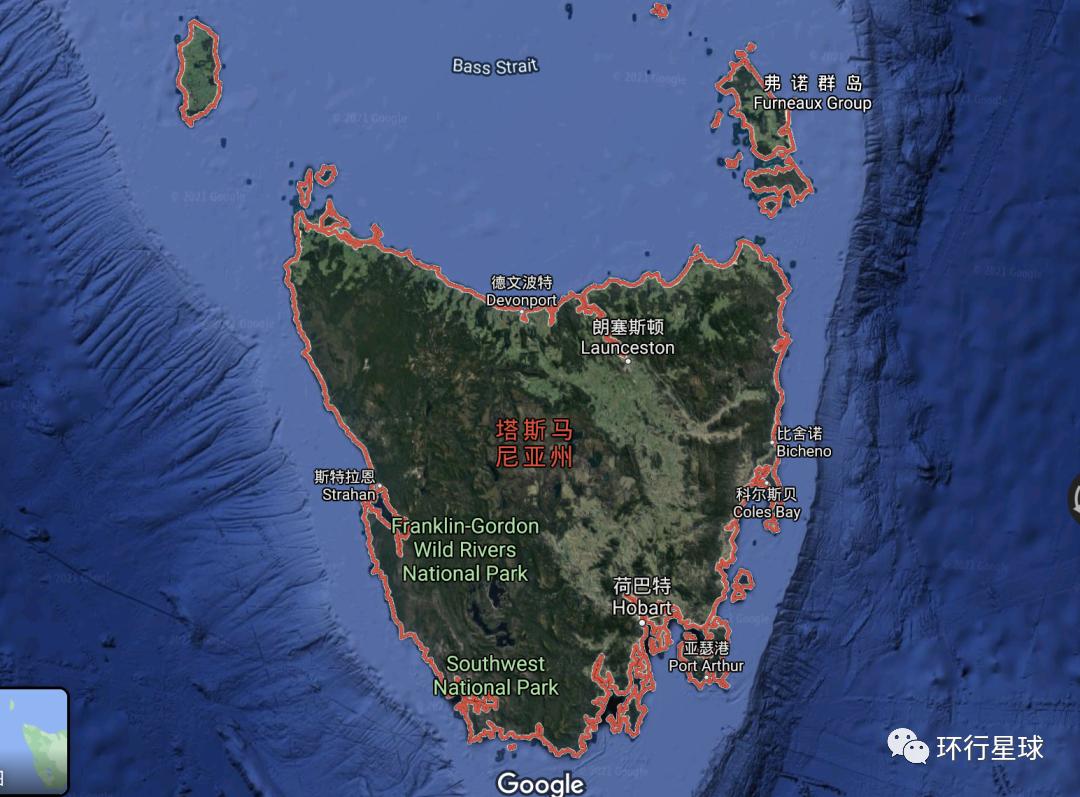
至于为何被叫做“塔斯马尼亚恶魔”,这背后还有一段故事。名字的前缀属于自报家门,类似于来自哪里的小谁。塔斯马尼亚是一座心形岛屿,陆地面积6.8万平方公里,位于澳大利亚大陆东南角约240公里的外海,是澳洲自然生态保护最完善的地区,全岛40%面积被列为国家公园、自然保护区或世界自然遗产。
塔斯马尼亚是一座心形岛屿
图:google map
作为与大陆隔离的独立岛屿,塔斯马尼亚拥有丰富而独特的动植物资源,袋獾是其中最具有代表性的物种之一。因此塔斯马尼亚成了他的前缀。
至于恶魔,作为食肉动物的一种,难免有些小怪癖,当地居民饲养的家畜也是它们偷食的对象。但实际上袋獾奉行机会主义,比起捕猎活物它们更爱吃腐肉。进食对袋獾而言是社交活动,它们通常会在进食时发出刺耳的声音。有时12只袋獾一起进食,叫声在数公里外都能听见,再加上袋獾夜间活动的习性,当地居民经常被他们可怕的尖叫声吓坏,因此称其为小恶魔。
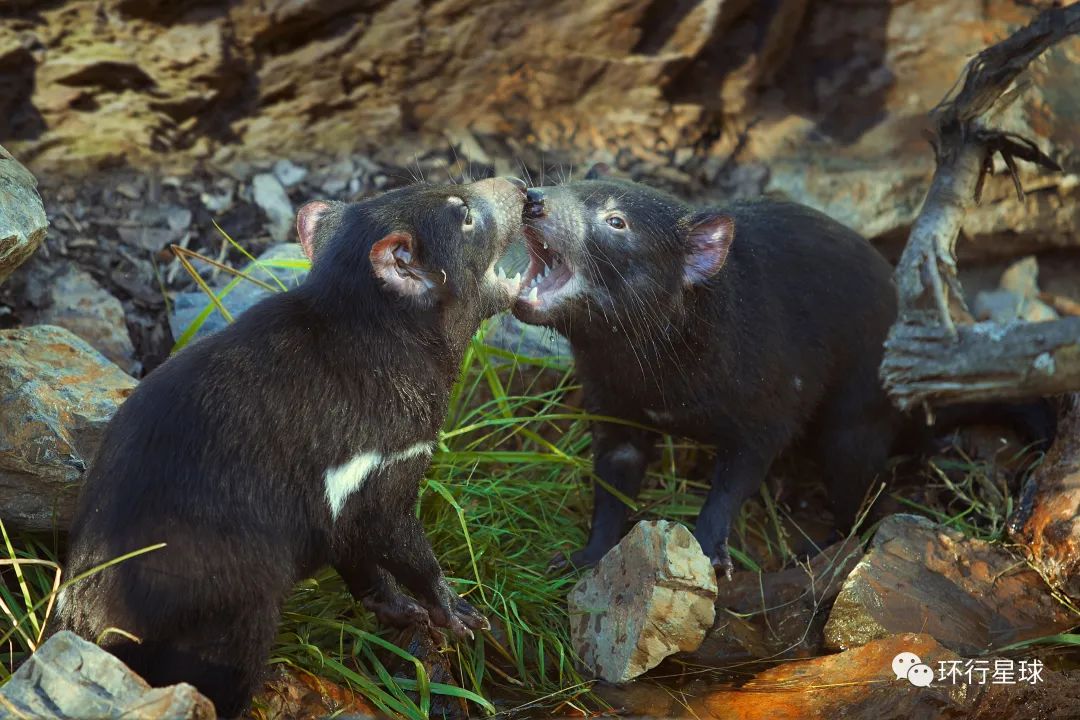
别看袋獾小小只,但是脾气可不小,爱打架,争地盘要打架,分食物要打架,求偶争宠也要打架,俨然一个醋坛子。就这个暴脾气也对得起“恶魔”的称号。
The Tasmanian devil, also known as the Tasmanian devil, is a carnivorous animal with a body similar to a small dog. It is black in color and often has some white fur on its chest and buttocks. Overall, it looks like a cute big mouse, which makes people feel the urge to stroke it.
Image: Bernhard Richter/Shutterstock
But please don't be fooled by its cute appearance. An analysis of the biting ability of mammals shows that, relative to its size, the badger is the most powerful mammal in existence, capable of crushing bones and boots in minutes. In this way, the little demon with iron teeth and copper teeth will emit a foul odor and make a piercing scream when attacked. A feeling of cowardice and ruthlessness rushed towards us, much like us social animals, embracing our chubby selves.
Image: Passengeronearth.com
As for why it is called the 'Tasmanian devil', there is a story behind it. The prefix of the name belongs to the self proclaimed family, similar to the little one from where it comes from. Tasmania is a heart-shaped island with a land area of 68000 square kilometers, located about 240 kilometers offshore from the southeast corner of the Australian mainland. It is the most ecologically protected area in Australia, with 40% of the island's area listed as a national park, nature reserve, or World Heritage Site.
Tasmania is a heart-shaped island
Image: Google Map
As an independent island isolated from the mainland, Tasmania has abundant and unique flora and fauna resources, among which the Tasmanian devil is one of the most representative species. Therefore, Tasmania became his prefix.
As for demons, as a type of carnivorous animal, it is inevitable that they have some small quirks, and the livestock raised by local residents are also the objects of their stealing. But in reality, badgers pursue opportunism and prefer to eat carrion rather than hunting live animals. Eating is a social activity for badgers, and they typically make harsh noises while eating. Sometimes 12 badgers eat together, and their cries can be heard from several kilometers away. In addition, due to the badgers' nocturnal habits, local residents are often frightened by their terrifying screams, hence they are called little devils.
Don't be fooled by the small size of the badger, but it has a big temper. It loves to fight, fights over territory, fights over food, and fights over love and affection. It's like a jealous jar. Even this temper tantrum deserves the title of 'devil'.
图:Couperfield/Shutterstock
消失3000年后重返澳大利亚大陆
袋獾是袋獾属中唯一未灭绝的成员,于2008年被列入濒危物种名单,现今只分布于澳大利亚的塔斯马尼亚州。
由于袋獾曾对塔斯马尼亚岛居民饲养的家畜造成威胁,因此当地政府曾允许居民猎取袋獾。直至1941年袋獾被正式列入保育类动物,狩猎行为才停止。到二十世纪七十年代,袋獾数量回升到正常水平,但天有不测风云,1990年代末,袋獾面部肿瘤病严重影响到袋獾的数量。这种病变的癌细胞具有高度的传染性和致死性,不到十年间,袋獾种群的数量锐减80%。
如今塔斯马尼亚州政府正进行一系列工作,以减少这种疾病对袋獾的影响。令人欣慰的是,袋獾在进化的过程中逐渐演化出抗癌基因,这也为人类抗癌提供了新方向,好样的小恶魔!
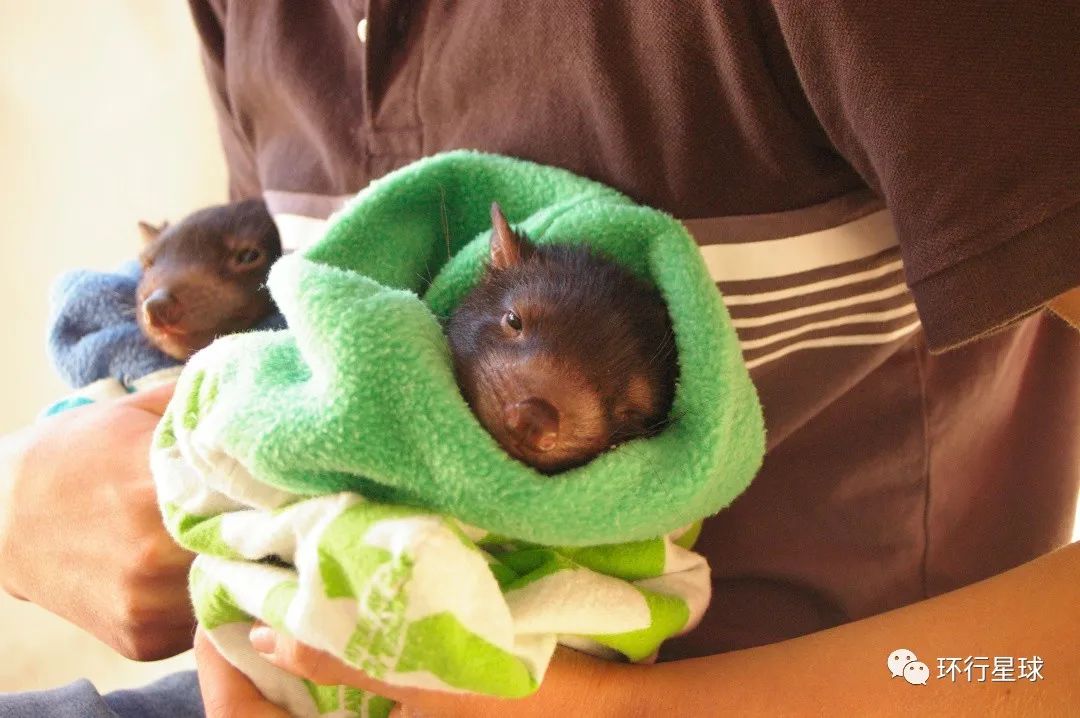
五周大的塔斯马尼亚恶魔乔伊裹在毯子里
图:f.ield of vision
3千年前,野生袋獾在澳洲大陆上灭绝,只有塔斯马尼亚岛上仅存的25000只,动物保护组织“澳洲方舟”在过去的10年中一直致力于保护该物种。
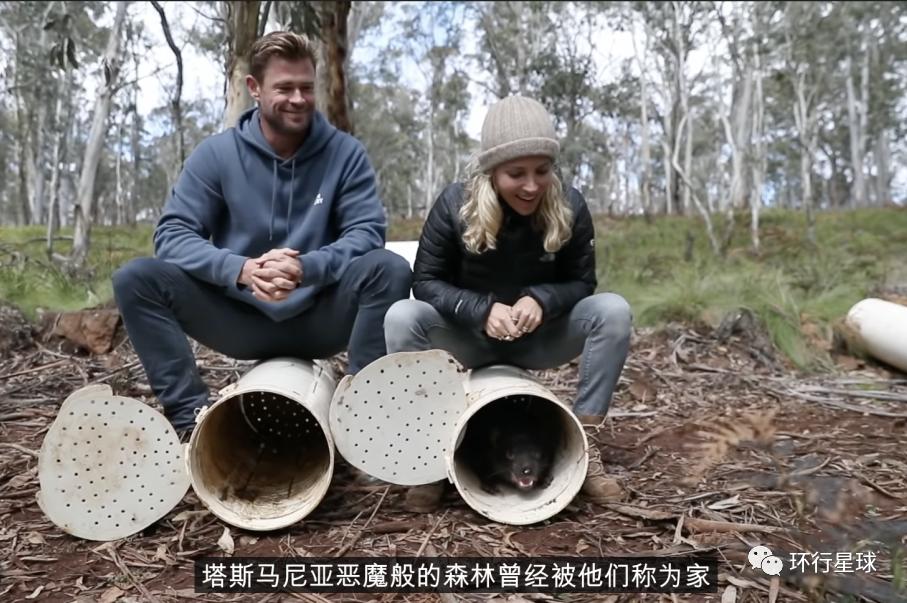
最近,“澳洲方舟”和全球野生动物保护组织将26只塔斯马尼亚恶魔放归至400公顷的野生动物保护区,这些被放生的袋獾属于澳洲方舟的培育计划,通过人工培育来壮大“小恶魔”队伍。它们的壮大将有助于控制猎杀其他濒危物种的野猫和狐狸的数量,重新平衡森林生态。作为食腐动物,它们也可以帮助保护周围的环境免受疾病污染。
“雷神”克里斯赫姆斯沃思也参与到这次小恶魔回归自然活动中,并努力唤起人们对“塔斯马尼亚恶魔”的关注。希望配合着2月袋獾的繁殖季,这些小恶魔可以繁衍出更多的小恶魔,让这种珍惜的小动物永不消失!
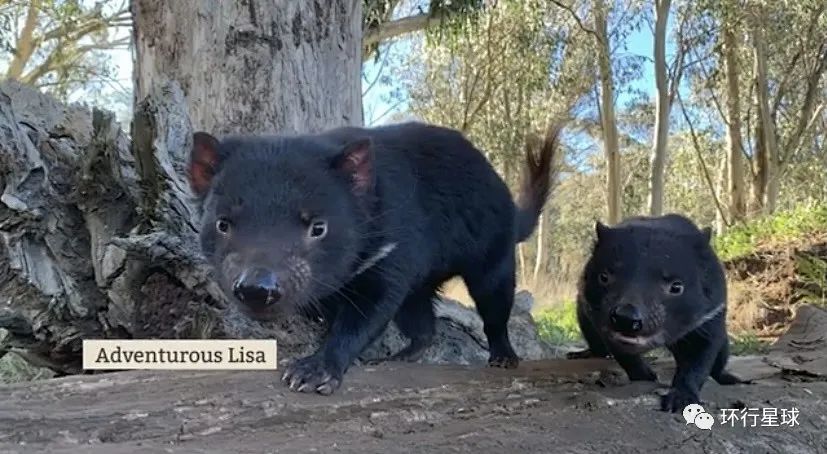
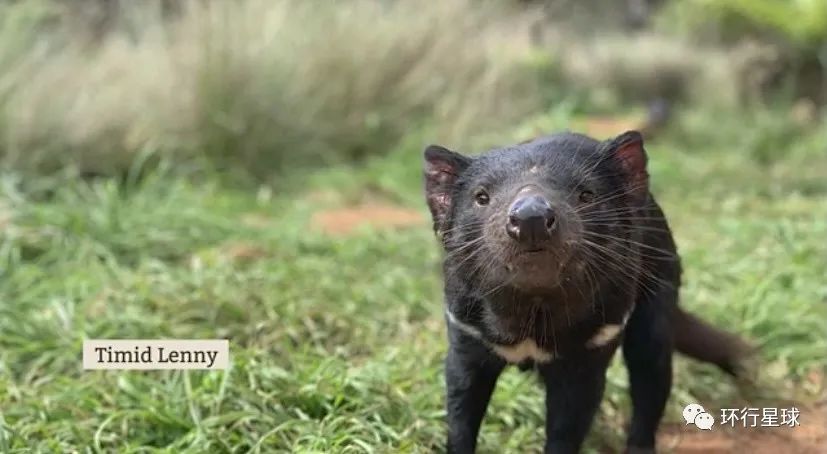
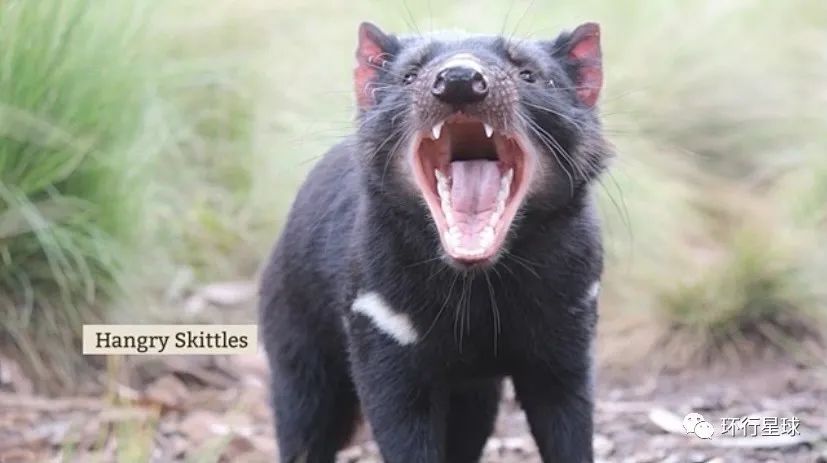
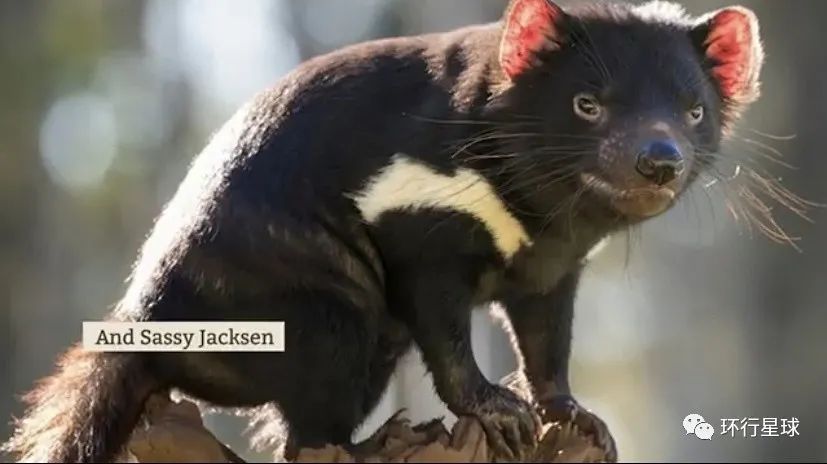
为了提高小恶魔们知名度,全球野生动物组织号召世界各地的孩子给其中四只“塔斯马尼亚恶魔”宝宝寄电子明信片,他们分别是胆小鬼伦尼、冒险大王丽莎、爱吃鬼思凯蒂和时髦的杰克森。看了这组狠萌狠萌的照片,你有没有心动!
Image: Couperfield/Shutterstock
Returning to the Australian continent after disappearing for 3000 years
The Tasmanian devil is the only member of the Tasmanian devil genus that has not become extinct. It was listed as an endangered species in 2008 and is currently only found in Tasmania, Australia.
Due to the threat posed by badgers to livestock raised by Tasmanian residents, the local government allowed residents to hunt badgers. It was not until 1941 when the badger was officially listed as a protected animal that hunting activities ceased. By the 1970s, the number of badgers had returned to normal levels, but unexpected events occurred. In the late 1990s, facial cancer seriously affected the population of badgers. This type of cancer cell has high infectivity and lethality, and in less than ten years, the population of badgers has sharply decreased by 80%.
The Tasmanian government is currently undertaking a series of measures to reduce the impact of this disease on Tasmanian badgers. It is gratifying that the badger has gradually evolved anti-cancer genes in the process of evolution, which also provides a new direction for human anti-cancer. Good little devil!
Five week old Tasmanian demon Joey wrapped in a blanket
Image: Field of Vision
3000 years ago, wild badgers became extinct on the Australian continent, with only 25000 remaining on the island of Tasmania. The animal conservation organization "Ark Australia" has been committed to protecting this species for the past 10 years.
Recently, Ark Australia and global wildlife conservation organizations released 26 Tasmanian devils into a 400 hectare wildlife reserve. These released badgers belong to Ark Australia's breeding program, which aims to strengthen the "little devil" team through artificial cultivation. Their strength will help control the number of wild cats and foxes hunting other endangered species and rebalance forest ecology. As scavengers, they can also help protect the surrounding environment from disease contamination.
Thor Chris Hemsworth also participated in the Little Devil's Return to Nature event and worked hard to raise awareness of the Tasmanian Devil. I hope that during the breeding season of badgers in February, these little demons can reproduce more and make this precious little animal never disappear!
In order to increase the visibility of the little devils, the global wildlife organization is calling on children around the world to send electronic postcards to four of the "Tasmanian devil" babies, namely the timid Lenny, the adventure king Lisa, the foodie Katie, and the fashionable Jackson. Have you been moved by these cute and adorable photos!
独享澳洲人的爱
袋獾是澳大利亚的标志性动物。塔斯马尼亚的国家公园、野生动物机构均以袋獾为标志,而其澳式足球联赛代表队不仅以袋獾为标志,甚至取名为“塔斯马尼亚恶魔队”。
在国际最广为人知的袋獾参照形象可能是华纳兄弟的乐一通动画剧中的角色塔斯(Taz),塔斯的外貌和袋獾甚为相似,这个动画片在九十年代播出,当时还是蛮火的,中国的小伙伴们貌似知道的不多,动画片讲述塔斯一家的故事,类似于动画片版的《家有儿女》。
加州,华纳兄弟“塔斯马尼亚恶魔”在游行。
图:wiki
如今,全球物种灭绝的平均速度已比过去1000万年间高出几十到几百倍。自史前时期以来,野生哺乳动物的全球生物量已下降82%。将野生袋獾放归自然,是保持生态平衡的重要一步,也是人类对自己行为的深刻检讨,希望更多的濒危动物可以壮大队伍,长长久久地陪人类走下去!
Exclusive love of Australians
The Tasmanian badger is an iconic animal of Australia. Tasmania's national parks and wildlife institutions are all symbolized by the Tasmanian devil, and its Australian Football League team is not only symbolized by the badger, but even named the 'Tasmanian Devils' team.
The most well-known reference image for the Tasmanian devil internationally may be the character Taz in Warner Bros. 'LeYiTong animated series. Taz's appearance is very similar to that of the Tasmanian devil. This animated series was broadcast in the 1990s and was quite popular at the time. Chinese friends seemed to know little about it. The animated series tells the story of the Taz family, similar to the animated version of "Family with Children".
California, Warner Bros. '' Tasmanian Devil 'parades.
Image: Wiki
Nowadays, the average rate of global species extinction is tens to hundreds of times higher than in the past 10 million years. Since prehistoric times, the global biomass of wild mammals has decreased by 82%. Releasing wild badgers back into nature is an important step in maintaining ecological balance and a profound reflection on human behavior. We hope that more endangered animals can strengthen their ranks and accompany humans for a long time to come!