

When people talk about comfort outdoors, it often comes down to control—shade when the sun hits, airflow when it’s muggy, and a watertight cover when the weather turns. That’s the role modern louvre pergolas are designed to play. They don’t just sit in the backyard; they flex and respond, making a deck or courtyard usable through the highs and lows of Australian conditions. When it comes to custom louvred pergola solutions, Unique Pergolas stands out for durability and design. It’s not about being flashy; it’s about making small adjustments that mean breakfast outside doesn’t end in a rush indoors when clouds roll over. This article looks at how different pergola designs stack up and which choices quietly shape comfort all year round.
How modern louvre pergolas manage changing weather
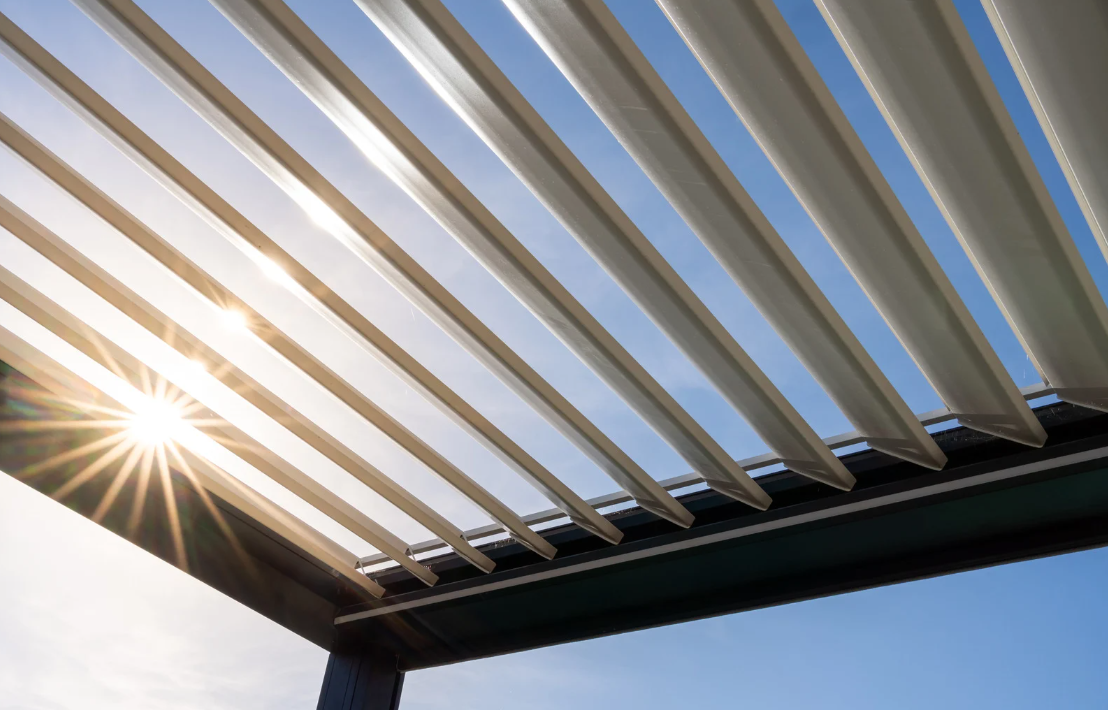
The idea is simple: aluminium blades rotate to shape light, air and shelter. The execution is where comfort lives or dies—blade geometry, seals, gutters, wind behaviour, and how these pieces interact across the seasons.
- Blade profiles with depth shed rain more decisively and reduce glare at midday.
- Compression seals minimise drips and nudge water towards concealed gutters.
- Integrated downpipes in posts keep overflow off paving and decking.
- Part-open blades during gusty spells can bleed pressure and reduce rattle.
Out on a west-facing patio, for example, you’ll feel the difference between a shallow blade that flares light into your eyes and a deeper one that softens it. On showery days, that click-shut compression is the line between staying seated and dragging chairs inside. Little details, big impact. Brands such as Stratco are known locally for louvred patio systems that open and close to manage light and rain, with manual or motorised control options supporting day-to-day use
Designing for comfort and efficiency
Comfort isn’t only about shade; it’s also about what the space feels like after lunch, at dusk, and on those still, humid evenings. The way you set orientation, blade angle and adjacent materials (paving, turf, garden beds) changes the temperature you experience.
- Use tilt to block high summer sun while inviting winter light onto seating.
- Keep west-facing glass shaded to avoid evening heat soak on still nights.
- Pair the roof with air-permeable side screening where wind channels through.
- Choose lighter roof finishes to reduce radiant heat onto tables and decking.
These decisions often overlap with broader ideas around energy efficient outdoor spaces, where ventilation, shading and surface choice work together to make the outdoors more comfortable without extra effort. Approaching the pergola as part of the home’s overall climate response makes the difference between something that looks neat and something you actually use day in, day out.
Planning the layout and fixtures that actually get used
A well-sited pergola feels like a natural extension of the home. That comes from getting the bones right—post positions, spans, services—and layering fixtures that matter to you, not to a spec sheet.
- Set clear circulation lines: doors must open freely; furniture shouldn’t pinch walkways.
- Position posts to frame views rather than interrupt them (kitchen sink sightlines matter).
- Add lighting that dims low; glare-free strips beat bright downlights for evening meals.
- If you use outdoor heating, mount radiant panels where blades won’t trap heat when closed.
The styling choices you layer on top—finishes, colours, and how lighting works with structure—matter just as much as the frame. Looking at modern pergola styling ideas can help you translate a mood board into a practical setup, whether that means warm timber tones against soft powder-coated steel or greenery woven into the frame for a lived-in look.
Freestanding or wall-mounted: choosing the frame that fits
Both approaches can deliver a calm, practical outdoor room. The choice usually comes down to how the space connects to the house and what the site allows.
- Freestanding: four posts, a “destination” zone away from the façade; great near pools or lawns.
- Wall-mounted: two posts, tight footprint, clean connection to indoor living; ideal for patios.
- Footings and soil: clay moves, sand drains—get depths and sizes right for longevity.
- Services: plan conduits for lights and heaters before concrete sets; life is easier later.
If you’ve got a compact courtyard, a wall-mounted keeps the floor plan open and makes the inside-outside step feel seamless. On larger blocks, a freestanding pavilion can carve out a quiet corner shielded from wind, with planting doing half the work of privacy.
Operation and upkeep: simple habits that pay off
Whether you opt for manual or motorised control, reliability is mostly about a few regular habits and a design that doesn’t fight the weather.
- Rinse blades and gutters seasonally; leaf guards save time near deciduous trees.
- Lubricate moving parts lightly after cleaning; avoid heavy greases that attract grit.
- Check fixings annually, especially in coastal air where salt can sneak into junctions.
- In windy periods, park blades slightly open if you’re not chasing a total rain block.
It helps when products are supported by accessible showrooms and straightforward parts. Retailers like LuxiLiving stock louvred pergola systems with features such as integrated lighting and motorised controls, and maintain showrooms in major cities—useful for seeing blade profiles and hardware up close before you commit.
Final thoughts
A well-designed louvre pergola isn’t about grand gestures—it’s about small shifts that keep you comfortable no matter what the sky is doing. A few degrees of blade tilt, a smart drainage path, or a well-placed post can quietly change how often you actually use the space. The real test is whether it feels natural to step outside on a hot day, during a light shower, or when the evening breeze cools the air.
These choices also sit within a wider lifestyle context. The way we use backyards and courtyards reflects how much Australians value time outside, and thinking about outdoor living in Australia makes it clear that a pergola isn’t just shelter—it’s part of a broader pattern of shaping spaces that work for relaxation, family life, and entertaining across the seasons.