

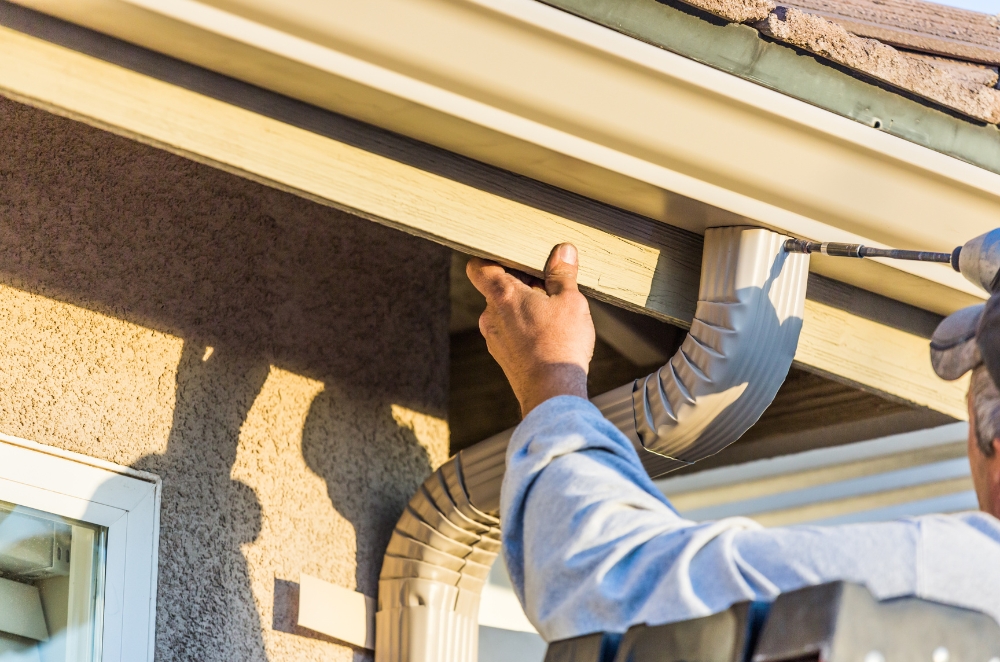
When you think about the bones of a house, gutters and fascia aren’t usually the first things that come to mind. People notice kitchens, flooring, maybe a fresh coat of paint. But gutters? Most of us only pay attention when they fail. I learned that lesson the hard way in my first home in Western Sydney. The gutters were old, sagging, and during one particularly wild summer storm, they overflowed so badly that water seeped into the lounge room walls. That clean-up wasn’t fun—or cheap. The next day, I was on the phone arranging fascia and gutter installers, and I haven’t looked back since.
Why fascia and gutters matter more than you think
At first glance, they look like simple strips of metal around the roofline. But fascia and gutters are doing important, often invisible work:
- - Protecting your foundation: Redirecting water away stops erosion and cracking at the base of your home.
- - Preventing leaks inside: Overflowing gutters can lead to stained ceilings, peeling paint, and mould.
- - Protecting gardens and paths: A good system stops water from turning your yard into a swamp.
- - Adding kerb appeal: Clean lines and modern finishes boost the look of any house.
One of my neighbours in Penrith once said, “Gutters only matter when they’re broken.” He laughed—until a blocked downpipe sent water gushing straight into his brickwork. By the time he called someone, the fascia boards had started rotting, and his repair bill was closer to ten grand.
The difference between DIY and professional installers
I’ve seen plenty of people tackle gutters themselves. A few lengths of metal, a ladder, a Saturday afternoon—that’s all you need, right? Well, not exactly.
DIY often skips the finer points, like:
- - Correct fall: Gutters need just enough slope so water drains properly. Too much and they look crooked, too little and they pool.
- - Safety on ladders: Falls are one of the top household accidents. It’s not worth the risk for most of us.
- - Material choice: Pros know when to recommend colourbond, aluminium, or zincalume based on your location.
- - Finishing details: Things like sealing joints and installing the right brackets make the difference between lasting years and leaking within months.
A mate in Campbelltown decided to install his quad guttering one summer. It looked fine until the first heavy rain. Water pooled in the middle, rust patches formed within a year, and he admitted later, “I should’ve just paid for proper installers.” Sometimes, cheap ends up costing more.
Common issues solved by quality gutter systems
Bad gutters cause more headaches than most people realise. Some of the issues I’ve come across (and in some cases, lived with) include:
- - Sagging gutters because the brackets were spaced too far apart.
- - Leaky joins where the cheap sealant wore out.
- - Overflow during storms thanks to undersized downpipes.
- - Rust and corrosion in older galvanised systems.
- - Noise problems when rainwater hammered into poorly angled gutters.
Modern metal fascia and gutter installation solves most of this. Today’s systems are tested against Australian standards for flow, load, and durability. It’s not just about avoiding puddles in the yard—it’s about building to code and keeping insurance valid.
Materials and style choices matter
This is where people sometimes get caught out. Gutters aren’t one-size-fits-all.
- - Colourbond: Durable, comes in a range of colours, perfect for modern homes.
- - Aluminium: Lightweight and resistant to corrosion, but not always as tough.
- - Zincalume: Cost-effective but not as visually appealing.
- - Box gutters: Neat look for modern architecture, but must be installed perfectly or they overflow fast.
I remember standing in Bunnings staring at all the options, completely lost. A pro installer later explained why colourbond was the smarter choice for my place near the coast. That advice alone probably saved me from rust issues down the track.
Cost, compliance, and Australian building standards
It’s natural to focus on price. I get asked all the time, “What’s a fair cost?” Truth is, it depends on roof size, slope, material choice, and whether fascia boards need replacing, too.
But here’s the bigger thing—compliance. In NSW, gutters must meet fall and overflow requirements set out in the building codes. If they don’t, you could be in trouble when a storm hits. Worse, an insurance claim might get rejected because of a non-compliant installation.
When I upgraded my own gutters, the installer pointed out the standard markings stamped into each section. He explained exactly why the fall was measured a certain way. That kind of detail isn’t flashy, but it’s what keeps a home safe.
Real stories from Sydney homeowners
Gutters might seem dull, but I’ve heard plenty of stories that prove otherwise:
- - A family in Blacktown with constant garden flooding solved it overnight with bigger downpipes.
- - A Bondi heritage home got sleek colourbond fascia, lifting street appeal so much that its property value jumped.
- - A bloke in Parramatta delayed repairs until storm season hit—ended up replacing ceilings, insulation, and carpets, not just gutters.
- - In Hornsby, a couple had their timber fascia swapped for metal. No more repainting every two years, and the whole place looked sharper.
For those curious, there’s plenty more to read—like new guttering and fascias installation or external guides explaining how to install colourbond fascia and gutter.
Lessons learned from experience
Here’s what stood out to me after finally biting the bullet and hiring pros:
- - My weekends are no longer spent up a ladder patching leaks.
- - Storms don’t stress me out the way they used to.
- - The house looks tidier, sharper, more modern.
- - And best of all—no more frantic runs to Bunnings when the rain starts.
Sometimes it’s not about the cost—it’s about peace of mind.
Final thoughts
Fascia and gutters aren’t glamorous. But they’re the unsung heroes of your roofline, protecting your home every time it rains.
From my own experience, calling in pros for installing fascia and gutters was worth every cent. No more patch jobs, no more surprise leaks, and no more arguments with the missus about when I was going to fix the sagging section over the garage.
It’s one of those “boring” upgrades that turns out to be the smartest move you can make. And once you’ve seen how smooth the whole system works after a proper installation, you’ll never underestimate them again.