

Stairs can turn a familiar home into a daily obstacle when mobility changes, but it doesn’t have to stay that way. The right lift restores calm, saves energy for the moments that matter, and keeps routines intact without reshaping the whole house. Planning early around a stair elevator for elderly clarifies layout constraints, safety priorities, and the rail type that suits the staircase. In my own family, careful measuring and a shortlist of must-haves made the difference: soft starts, simple controls, and predictable charging. This guide steps through safety, comfort, fit, installation, upkeep, and life with a lift, so choices feel steady rather than rushed, and everyone understands how the device fits into everyday routines at home.
Why stair elevators support independence
Small adaptations compound into big freedom. A seat, belt, and smooth rail can turn a hard climb into a sit-and-go routine that preserves energy for social time and daily tasks.
- Everyday autonomy: Maintain access to bedrooms, bathrooms, and hobbies upstairs without constant assistance or rearranging rooms.
- Falls prevention: Reduce risky steps on steep or narrow treads, especially when carrying small loads or turning in low light.
- Energy conservation: Save breath and leg strength for the activities that bring joy rather than spending it on stairs.
- Stay-at-home continuity: Delay disruptive moves by adapting the existing house rather than relocating to suit mobility.
I’ve seen confidence lift within a week of installation—quieter mornings, fewer negotiations about “who’s carrying what,” and a calmer pattern to the day. Momentum returns as the device becomes part of the furniture rather than the focus of attention.
Key safety and comfort features to compare
Safety and comfort live together; a feature you won’t use isn’t a safety feature. Start with easy reach, clear feedback, and motion that feels predictable from day one.
- Secure restraint: Choose a belt that clicks with one hand, lies flat over layers, and is easy to fasten without twisting.
- Smooth start/stop: Prefer soft acceleration that avoids jolts at the first movement and steady docking at the end of travel.
- Reliable power: Favour battery backup so travel continues during outages and the unit returns to charge without fuss.
- Clear controls: Look for large, tactile buttons and an intuitive call/send handset with obvious up/down prompts.
Policy settings within aged care emphasise safety, dignity, and practical support—principles that map directly to choosing and using a lift. The right configuration should feel forgiving when hands are cold, visibility is low, or movement is cautious, which is when the system earns its keep.
Choosing the right fit for your staircase
Fit determines everything else. Before thinking about upholstery or trim, measure rises, turns, landings, and the knee clearance where the rail passes a wall or banister.
- Stair geometry: Identify straight runs, corners, and winders so you know whether a straight, modular, or fully curved rail makes sense.
- Parking positions: Plan top and bottom overruns for safe entry and exit without blocking doors, hallways, or storage nooks.
- Weight and width: Match rated capacity to the user and confirm folded width leaves passing room for others using the stairs.
- Home power access: Place a nearby outlet and tidy cable path so charging is consistent and tripping risks stay low.
When I measured for a family install, a tight top landing looked impossible until the docking stop shifted a few centimetres and a bulky handrail bracket was replaced. Knowing everything you should know about stairlifts—rail geometry, overrun distances, call-station placement—helps everyone speak the same language, which reduces missteps during quoting and installation.
Installation, upkeep, and costs
A good install feels unhurried and tidy, with every fixing accounted for and each control tested in a calm walkthrough. Upkeep is simple once it’s scheduled, like smoke-alarm checks.
- Pre-install checks: Confirm measurements, power location, and fixings before drilling so holes land once and cleanly, with no surprises under carpet edges.
- Professional setup: Expect secure rail anchors, aligned limit switches, and a step-by-step demonstration of safe transfers at top and bottom.
- Routine maintenance: Keep the rail clean, charge consistently, and schedule inspections to catch wear early, especially at pivot points and belts.
- Total cost view: Consider rail type, power access, service plan, and minor modifications rather than fixating on sticker price alone.
My own checklist includes photos of control positions after the demo; weeks later, those images make it easy to spot if something drifted. Knowing how climbing equipment improves health can highlight the value of controlled motion and confidence; in a home setting, that translates to safer, repeatable transfers and steadier daily activity when fatigue or balance fluctuates.
Practical tips for daily use and troubleshooting
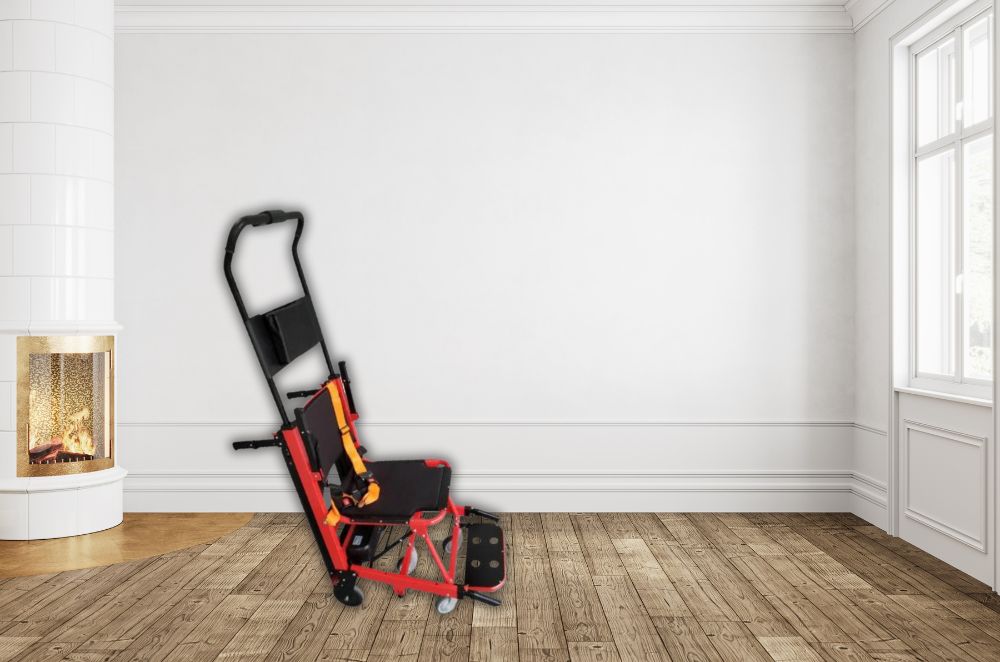
Familiarity builds reliability. A handful of habits keep the system predictable and make small issues easy to spot and resolve before they interrupt a day.
- Clear travel path: Keep the rail line free of laundry, cords, and shoes so nothing brushes sensors or pinches beneath the carriage.
- Consistent charging: Park in the designated zone so the system tops up quietly; a simple evening routine prevents low-power surprises.
- Seat routine: Sit fully back, plant feet, and fasten the belt before moving; small rituals shorten transfer time and reduce wobble.
- Gentle cleaning: Wipe rails and controls with a soft cloth; avoid sprays that leave residue on buttons, sensors, or seat surfaces.
From experience, most “the lift won’t move” moments trace back to a chair not fully parked on charge, a belt not latched, or a call station knocked slightly off position. A short, written quick-start guide near the stairs helps everyone follow the same steps and avoids guesswork during busy mornings or late nights.
Planning for changing needs over time
Mobility isn’t static; what fits now may need adjustment later. Building in flexibility from the start protects the investment and keeps routines steady as circumstances evolve.
- Adjustable controls: Favour handsets and armrests that can be repositioned to suit changing reach or grip strength.
- Transfer surfaces: Consider seat height options and armrest styles that make side transfers simpler when standing becomes slower.
- Future proofing: Leave space for a hinged rail at the bottom of a doorway that sits close to the stairs, and plan power access for alternate parking.
- Service cadence: Set reminders for periodic checks so wear is addressed before it becomes a reliability issue.
These small choices reduce friction when health needs shift, making it easier to adapt the setup without major changes. The best systems feel calm on day one and remain calm after a year of daily use.
Living well with safer stairs
The lift earns its place when it fades into the background and the home returns to a normal rhythm. Treat it like any daily tool: straightforward, respected, and folded into routine. Keep the path clear, park on charge, and use a simple “ready” call at the top and bottom so nobody moves before the other person is settled. A quiet, predictable pattern does more for confidence than any single feature. Over time, small, consistent habits turn the device into a reliable part of home life—one that protects independence without fuss and gives energy back to the moments that matter.