

Upgrading the outdoor parts of a home has always struck me as the most rewarding kind of renovation. There’s something about turning a plain bit of yard or a neglected patio into a space that actually gets used—a place where you want to spend time, not just somewhere to pass through. Over the years, I’ve found that the best results don’t come from copying a neighbour’s build or following whatever’s trending online. It’s more about making the area truly fit your lifestyle. That’s why, when helping friends or tackling my own backyard, I’ve come to appreciate tailored outdoor living kits. They offer a level of flexibility that’s hard to beat—letting you match the setup to the way you live, whether that means a quiet corner for reading or a spot that can handle a full house when family drops by. It’s those small, intentional choices that make an outdoor space feel like part of the home.
Maximising comfort with smart shading solutions
You know how the Australian sun has a way of taking over the backyard if you’re not careful. I remember a stretch of heat so relentless, even the dog started looking for cooler spots inside. That’s when I started thinking less about quick fixes and more about what actually works in the long run. For me, using passive shading strategies turned out to be the game-changer. Not just relying on temporary shade sails, but really paying attention to how the house and outdoor areas are positioned, and how to use things like pergolas, greenery, or even the roofline itself to create natural cool zones.
Here’s the thing I’ve learned:
- Angling a pergola roof just right can mean the difference between a sweatbox and a breezy retreat.
- Materials matter more than you think—polycarbonate, timber slats, even old-school shade cloth, all have their place.
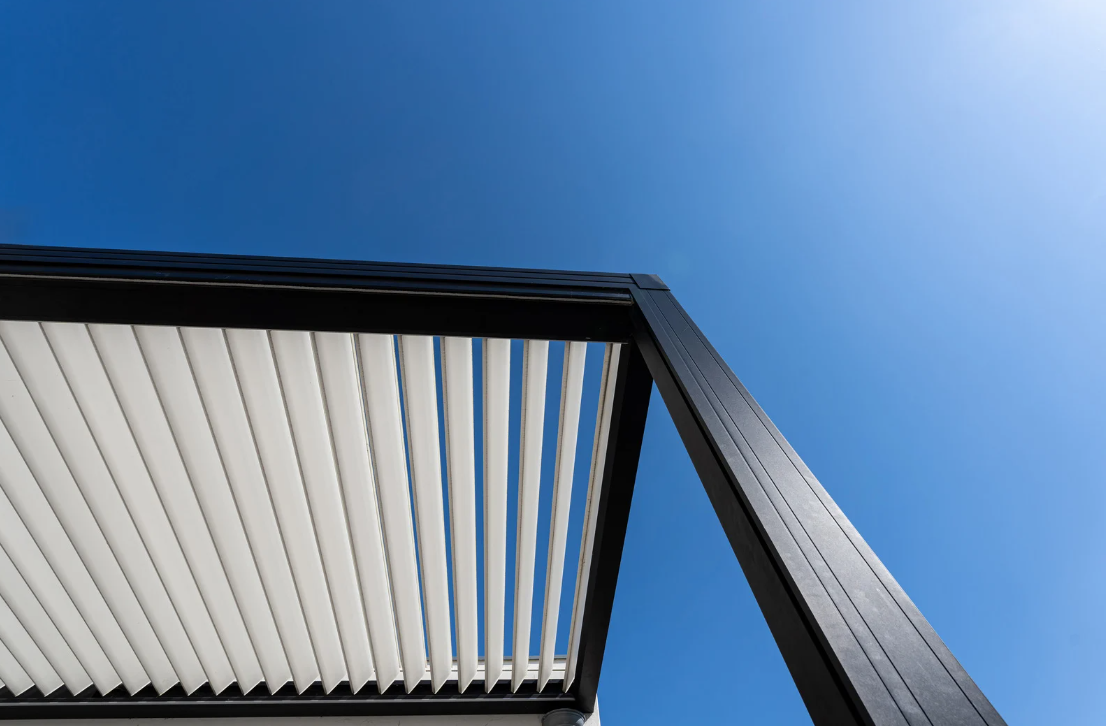
- Louvres are a game-changer, especially if you want options. Open in winter, shut in summer—easy.
- If you’ve got the patience, letting a wisteria or grapevine climb over the top works wonders (and looks a treat come spring).
Looking back, the houses I remember best are the ones where someone thought ahead—planned for shade as much as for style. The air feels cooler, the dog isn’t panting, and you actually want to be outside.
Transforming spaces with thoughtful design touches
Not every upgrade needs to be a major overhaul. Sometimes, the spark for change comes from a single idea or a look you spot somewhere unexpected. Over the years, I’ve picked up all sorts of ideas just from noticing what stands out in different backyards or at friends’ places. That’s where a bit of modern pergola inspiration can make a real difference. It might be a clean-lined frame you see in a new estate, or a clever use of mixed materials—timber with metal, stone with composite boards—that makes you rethink what’s possible in your own space.
Some of the best results come from trying something just a bit different:
- Slim, open beams that keep the area feeling airy
- Built-in seating or planters that double as structure
- Soft lighting that works for both quiet nights and lively gatherings
- Blending the pergola into the garden so it all feels connected
It’s these design touches that turn a basic backyard into a place you actually want to spend time, and that friends end up copying for themselves.
Material matters: Choosing the right build for your climate
Every block’s got its quirks—wind, salt spray, blazing sun, or the odd hailstorm. Over time, I started paying closer attention to what actually lasts in different corners of the country. That’s why more homeowners I know are thinking beyond timber and looking for something tougher. Sorting through a bunch of options, I found that picking up a few metal pergola selection tips early on can save a heap of trouble later. Things like checking the grade of steel or whether the aluminium has proper powder-coating—not just for looks, but for real long-term resilience.
It’s small details that make the difference. Some mates swear by galvanised steel frames near the coast, while others are all about lighter, rust-resistant aluminium for smaller yards. Either way, making the right call on materials means less stress when the weather turns, and more time just enjoying the space without always fixing or maintaining it.
Why the details matter: Building value, not just beauty
Honestly, nobody at my place sits around talking about property values. You get a few mates over, talk footy, maybe someone complains about their lawn dying again. But then, out the back, someone’ll notice we finally patched that hole in the fence or ask how the old lemon tree’s still going. The stuff that matters isn’t what you’d put in a sales brochure. It’s the way the chairs get dragged into the sun on winter mornings, or how everyone squeezes onto the bench under the pergola once the mozzies come out.
My own backyard’s a work in progress—some days I fix one thing, next week something else breaks. For ages, the only reason we went outside was to hang washing. But after swapping to tailored outdoor living kits, suddenly there was a spot that felt right for a lazy Sunday, or to let the dog snooze while we had a yarn. Didn’t change the world, but it changed how we use the place.
Final thoughts: Outdoor spaces, Aussie style
Nobody gets it right the first go. Maybe you start with a big plan, or maybe you just shove a few pots against the fence and see what survives the summer. One year I made a fire pit from bricks left over from the last reno—smoke blew in the wrong direction, burnt half my eyebrows off. Still, the kids loved it. You don’t need much. An old esky with half-melted ice, a couple of plastic chairs, the smell of rain on dirt. That’s usually when people hang around the longest.